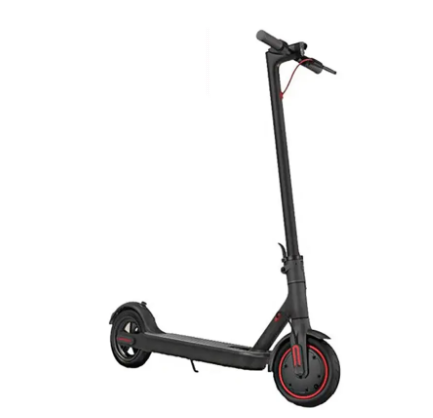
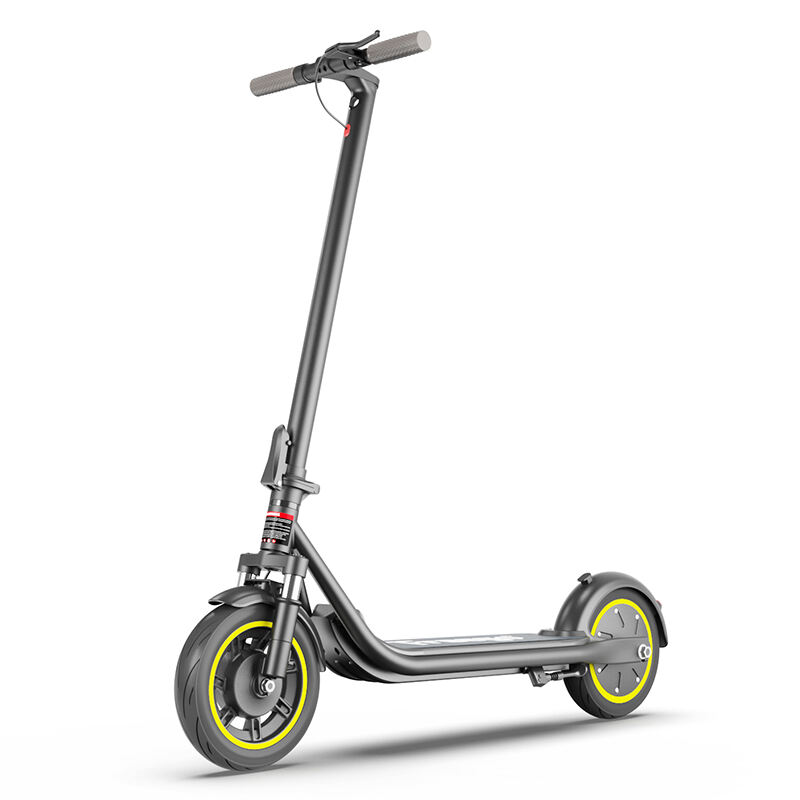
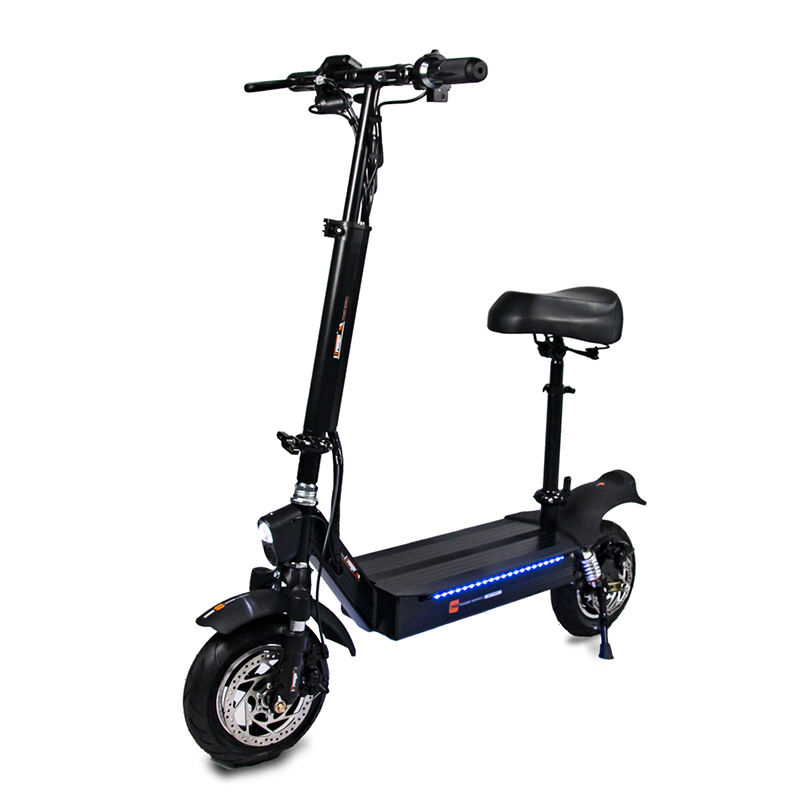
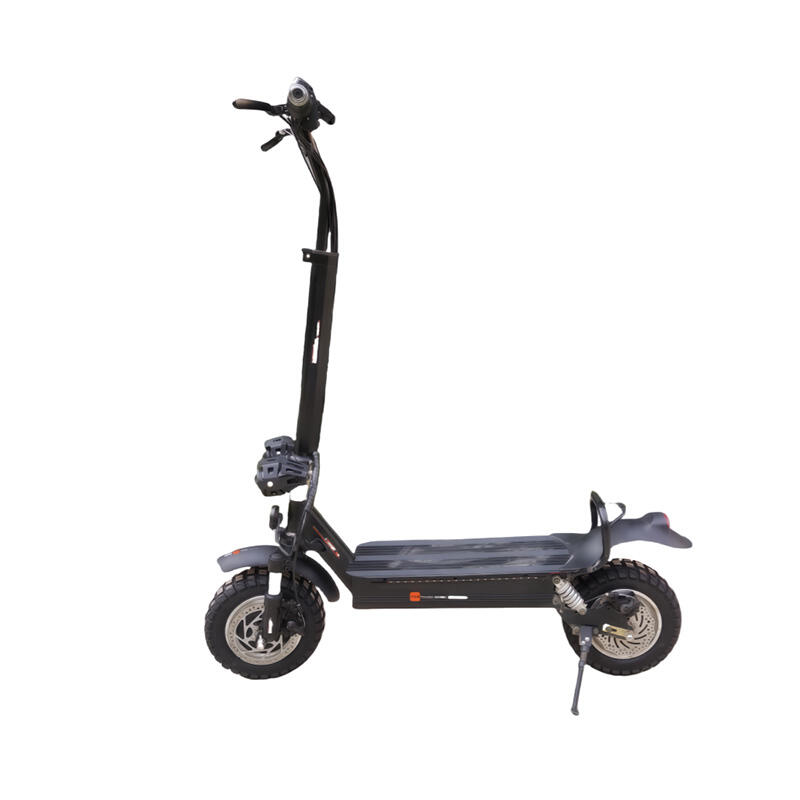
For brand owners and decision-makers evaluating manufacturing partnerships, the underlying Electric Scooter Production Setup is far more than a factory floor; it is the critical operational backbone that determines market success. It dictates speed, quality, cost efficiency, and ultimately, the ability to deliver on brand promises. A superior setup is characterized not by its size alone, but by its integration, precision engineering, and strategic orientation toward partnership. It is the difference between a vendor who assembles parts and a true manufacturing ally who co-engineers success.
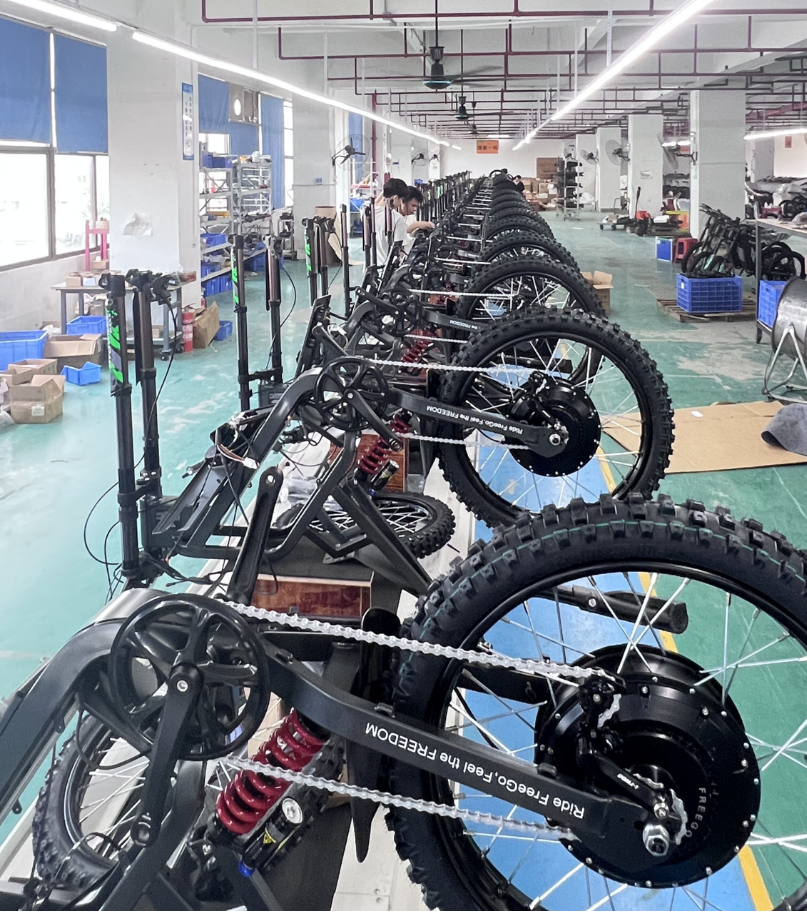
The architecture of a modern, efficient production setup for electric scooters is fundamentally integrated. True efficiency is derived from controlling the core value chain stages under one coordinated roof. This typically encompasses in-house mold design and fabrication, plastic injection molding for body panels, a professional painting and finishing department, and a logically sequenced assembly line. When these elements are managed internally within a seamless workflow, it eliminates the delays, quality variances, and accountability gaps inherent in multi-vendor coordination. This vertical integration is the physical enabler of accelerated timelines, such as a 4-week prototype cycle. More importantly, it allows for rapid design iterations and immediate feedback loops between engineering and production teams. For a brand, this means a significantly reduced concept-to-market window, lower operational risk, and a streamlined communication channel with a single point of accountability, transforming manufacturing from a complex logistical challenge into a reliable, predictable process.
However, integration alone is insufficient without a pervasive culture of precision. The quality of the final product is predetermined by the precision engineered into each stage of the setup. This begins with high-tolerance tooling—CNC-machined molds that ensure every scooter frame and component is identical. It extends to controlled injection molding parameters that guarantee part strength and dimensional stability. The assembly process itself must be designed as a precision operation, not just manual labor. This involves standardized workstations with error-proofing (poka-yoke) fixtures, calibrated torque tools for critical fasteners, and automated testing rigs for motor performance, brake function, and battery management system (BMS) verification. Implementing a dynamic In-Process Quality Control (IPQC) regimen, where quality checks are performed during assembly rather than just at the end, is essential. This proactive approach identifies and rectifies issues in real-time, preventing defect accumulation and ensuring that every unit rolling off the line meets the exacting specifications required for brand integrity, customer safety, and regulatory compliance.
Ultimately, the most strategic production setup is one built for partnership and scalability. It must be adaptable, not rigid. For brands, this means the manufacturing infrastructure must be capable of supporting growth without degradation in quality or communication. A partner-focused setup often features modular production lines or dedicated cells that can be configured for specific brand projects, ensuring focus and protecting intellectual property. It is supported by a responsive supply chain management system that secures component inventory and mitigates shortage risks. Crucially, this setup is managed by a mindset aligned with the brand’s long-term vision, not just short-term order fulfillment. It involves collaborative production planning, transparent capacity forecasting, and joint investment in process improvements. In the cutthroat competitive terrain of electric mobility, such a production partnership becomes a formidable strategic asset. It provides the stability to scale, the flexibility to adapt to new models or regulations, and the unwavering commitment to quality that allows a brand to establish and maintain a unique, trusted, and profitable position in the global marketplace.