
 EN
EN
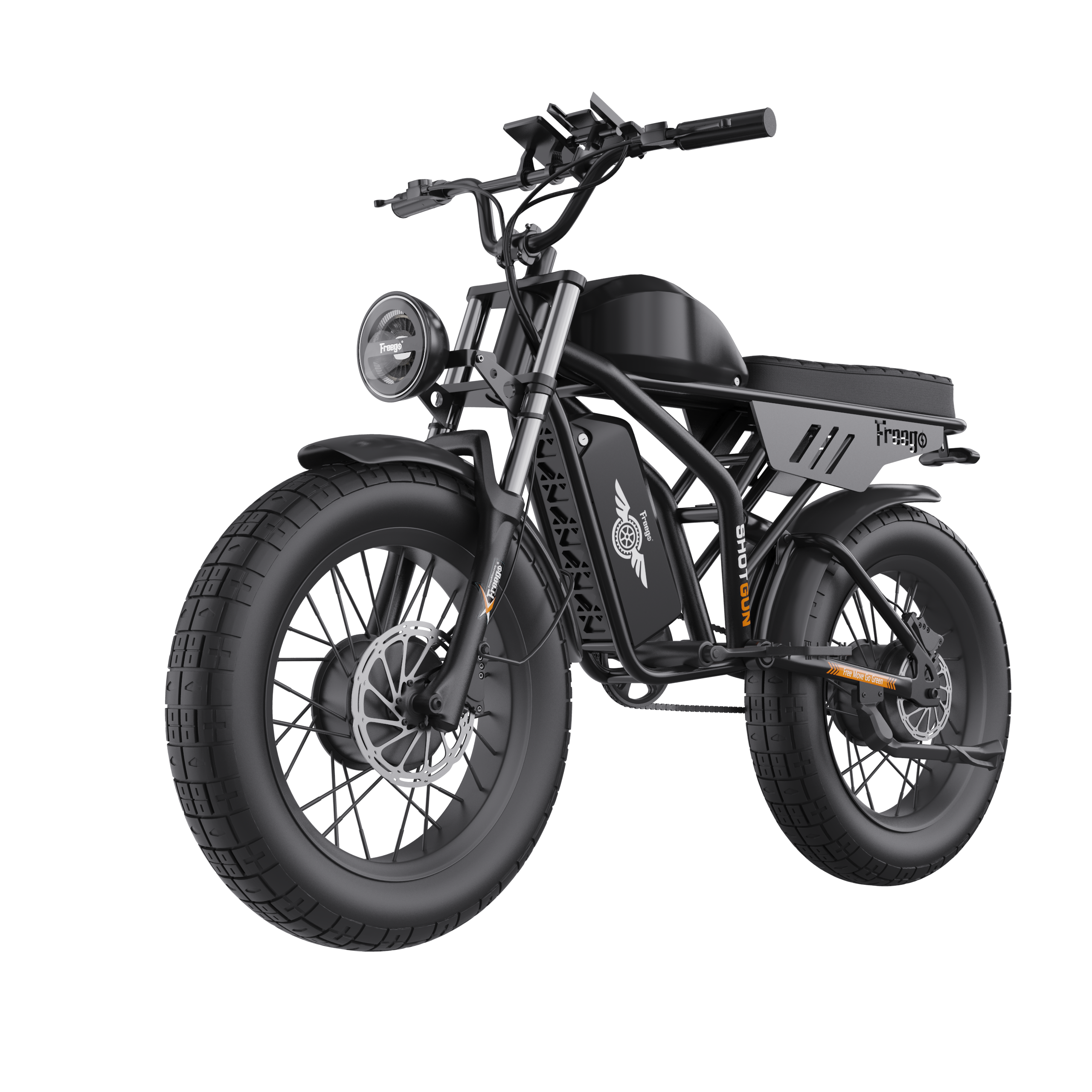
The Science of Fat Bike Flotation in Snow
How Fat Bike Tire Width Enhances Flotation on Snow
Fat bikes come equipped with those wide 3.8 to 5 inch plus tires that help distribute the rider's weight across more surface area. This reduces how much pressure gets applied to the ground below, so riders don't sink into soft terrain as easily. Think of them kind of like snowshoes for biking. Regular mountain bike tires are around 2 to 2.5 inches wide and typically run at about 6 to 8 psi of air pressure. The fat tires work at much lower pressures, usually between 2 and 5 psi. According to some trail testing studies, this difference can actually cut down on how deep the bike sinks into loose snow by as much as 60 percent. Makes sense when you think about it though right? Less pressure means less sinking!
Physics of Pressure Distribution and Surface Load on Soft Snow
What makes fat bikes work so well on snow comes down to how weight gets spread out across the tire where it touches the ground, something that actually lines up with what Pascal figured out about pressure distribution. Some recent testing in 2024 looked at traction for these bikes and showed something interesting. When running those wide tires at just 4 pounds per square inch, they create about half again less compaction compared to regular skinny tires pumped up to 15 psi. This means instead of digging into the powder, riders can literally float along the surface without breaking through, which explains why many winter cyclists swear by them for snowy conditions.
Fat Bikes vs. Traditional Mountain Bikes in Deep Snow: A Performance Comparison
In controlled tests, fat bikes maintained forward motion in 12 inches of powder, whereas standard mountain bikes stalled after 6 inches. This advantage stems from contact area: fat bikes offer approximately 290 cm² of surface contact compared to 95 cm² for traditional models, effectively tripling flotation capacity.
Optimal Tire Pressure for Snow Riding (PSI Guidelines by Condition)
Snow density determines ideal tire pressure:
- Powder: 3–5 PSI
- Packed trails: 6–8 PSI
- Icy surfaces: 8–10 PSI
As recommended in Minnesota DNR's winter cycling guidelines, riders should start at 8 PSI and gradually reduce pressure until tire ruts measure no more than 1 inch—a key indicator of minimal environmental impact.
Performance Across Different Snow Conditions
Riding on Groomed Trails Versus Backcountry Singletrack
Fat bikes really shine on those packed snow trails that have been groomed for skiing. Riders often run their tires at pressures below 8 psi which gives them a bigger contact patch and better stability when riding these surfaces. When it comes to fresh powder conditions, those wide tires make a huge difference. They cut down on sinking into the snow by around half compared to regular mountain bike tires. And if someone is tackling backcountry singletrack covered in loose snow, going with tires that are at least 4.8 inches wide makes all the difference in staying on top of the snow instead of getting stuck. The extra width provides much better floatation and keeps riders in control even when conditions get tricky.
Traction and Stability in Powder and Loose Snow
Knobby treads and softer rubber compounds help fat bike tires grip loose snow, while flexible sidewalls adapt to uneven terrain. The large surface area enables smoother weight transfer during cornering, avoiding the plowing effect seen with narrow tires.
Challenges on Icy or Variable Snow Surfaces
When icy crust forms over trails or old tracks refreeze after thawing, the risk of slipping goes way up. Sure, tires with sipes do help grab better traction, but anyone who's braked on black ice knows it takes forever to stop compared to riding on dry snow. For those tackling variable winter conditions, going with tires that have 3PMSF certification makes sense, especially ones with stronger sidewalls that hold up against rough terrain. Temperature fluctuations throughout the day mean tire pressure needs constant checking. Most folks start around 6 to 8 psi as a baseline, then adjust higher or lower depending on whether the snow feels soft or hard underfoot. Experience matters here more than exact numbers.
Ideal Winter Conditions for Fat Biking
Best Trail Types and Terrain for Snow Fat Biking
Trails that have been groomed for multiple uses work best when there's about 4 to 8 inches of tightly packed snow on them. This kind of snow gives riders just the right mix of floatation without sacrificing control. Most of these trails get regular maintenance from local park authorities, making it easier to pedal along with those 3.7 to 5 inch wide tires that fat bikes typically use. The Minnesota Department of Natural Resources actually recommends sticking to officially marked fat bike trails and state forest roads whenever possible. Riders should steer clear of old snowmobile tracks that haven't been designated for biking and avoid areas with loose, powdery snow that hasn't settled properly. These spots not only make riding dangerous because they're unstable but also pose real threats to the environment over time.
How Temperature and Snowpack Affect Rideability
Snow type and temperature directly influence ride quality:
| Snow Type | Temperature Range | Rideability Factors |
|---|---|---|
| Dry Powder | Below 15°F (-9°C) | Requires ≥5 PSI for flotation |
| Settled Pack | 15–25°F (-9 to -4°C) | Supports moderate tire pressure |
| Thaw-Refrozen | Above 25°F (-4°C) | Risks ice slicks and postholes |
Colder temperatures produce firmer, crystalline snow ideal for low-pressure setups. Warmer conditions reduce snow integrity, necessitating lower PSI (under 8) to limit rutting beyond 1 inch—the accepted threshold for sustainable trail use.
Safety and Equipment Tips for Snow Riding
Essential Safety Gear and Visibility for Cold-Weather Rides
Getting dressed right matters a lot when it gets cold out there. Start with something that pulls sweat away from skin, then throw on some warm stuff like fleece in the middle, and finish off with something that blocks wind. Safety becomes extra important too since days are so short in winter. That's why many folks grab gear with bright colors, LED strips, or reflective material these days. Frostbite is no joke either. According to some research from last year, almost a third of all cold weather cycling injuries involve frostbite, so keeping hands warm with pogies and feet protected with good insulated boots makes sense. And watch out for those flat light situations mentioned by Minnesota's Department of Natural Resources. When everything looks the same color because of gray clouds or snow coming down, judging distances gets really tricky. Happens all the time actually.
Winter-Specific Maintenance: Lubricants, Brakes, and Drivetrain Care
Use wet-weather chain lubricants designed for subfreezing temps to resist ice buildup. Inspect brake pads regularly, as exposure to salt and moisture can degrade stopping power by up to 40%. After each ride, rinse the drivetrain with warm water to remove corrosive elements and prolong component life.
Responsible Trail Use and Minimizing Environmental Impact
It makes sense to stick with those marked paths and trails that have been maintained, especially around delicate areas like frozen wetlands where nature is extra sensitive. Studies indicate that fat bikes actually put between 18 and 22 pounds per square inch on the ground, which isn't bad at all compared to regular hikers who tend to apply almost twice as much pressure. So these bikes are pretty gentle on terrain if folks just ride smart. When traveling in groups, keeping things tight means we don't end up creating new trails everywhere. And nobody wants to be out there messing around on snowless days either since that's when trails get damaged most easily by wheels digging into soft surfaces.
Debunking Common Myths About Fat Bikes in Snow
Myth vs. Reality: Are Wider Tires Always Better in Deep Snow?
People tend to think bigger is better when it comes to tires, but that's not necessarily true. Sure, those 4.8 inch wide ones work great for getting through deep snow, but sometimes the narrower models ranging from 3.8 to 4.5 inches actually handle better on packed surfaces or when conditions are mixed. Going too wide just creates more drag against the ground, making things harder to push forward without really improving grip much at all. Most folks forget about adjusting air pressure though. Tires inflated between 4 and 8 psi can adapt to different snow conditions far better than just going for the largest size available. This makes all the difference when riding across varied terrain where snow depth changes constantly throughout the day.
Case Study: Fat Bike Commuting in Anchorage, Alaska – Real-World Insights
Most people who commute through Anchorage winters stick with what works on the ground. Around 72 percent are riding on tires less than 4.2 inches across, typically going for studded options when dealing with city ice and those freshly plowed roads. The findings match up pretty well with last year's Winter Cycling Materials Report from researchers at the University of Alaska. They found that thinner tires actually help riders navigate better in tight spaces where snow has been packed down. Those same commuters also clocked about 20 percent higher speeds than folks with bigger tire setups. So it turns out, when it comes to getting around in winter conditions, being nimble and having just the right tire pressure matters more than trying to float over everything.
FAQs
Why do fat bikes have wider tires?
Fat bikes have wider tires to distribute the rider's weight over a larger surface area, reducing pressure on the ground and preventing the bike from sinking into soft terrain like snow.
What PSI should I use for fat bike tires in the snow?
The ideal PSI for fat bike tires in the snow varies: 3–5 PSI for powder, 6–8 PSI for packed trails, and 8–10 PSI for icy surfaces.
Can fat bikes be used on icy surfaces?
Yes, fat bikes can be used on icy surfaces. It's recommended to use specially designed tires with sipes or 3PMSF certification for better grip.
Are wider tires always better for snow riding?
Not necessarily. While wider tires provide better flotation, they might create more drag. In some conditions, narrower tires (3.8 to 4.5 inches) provide better handling and performance.