
 EN
EN
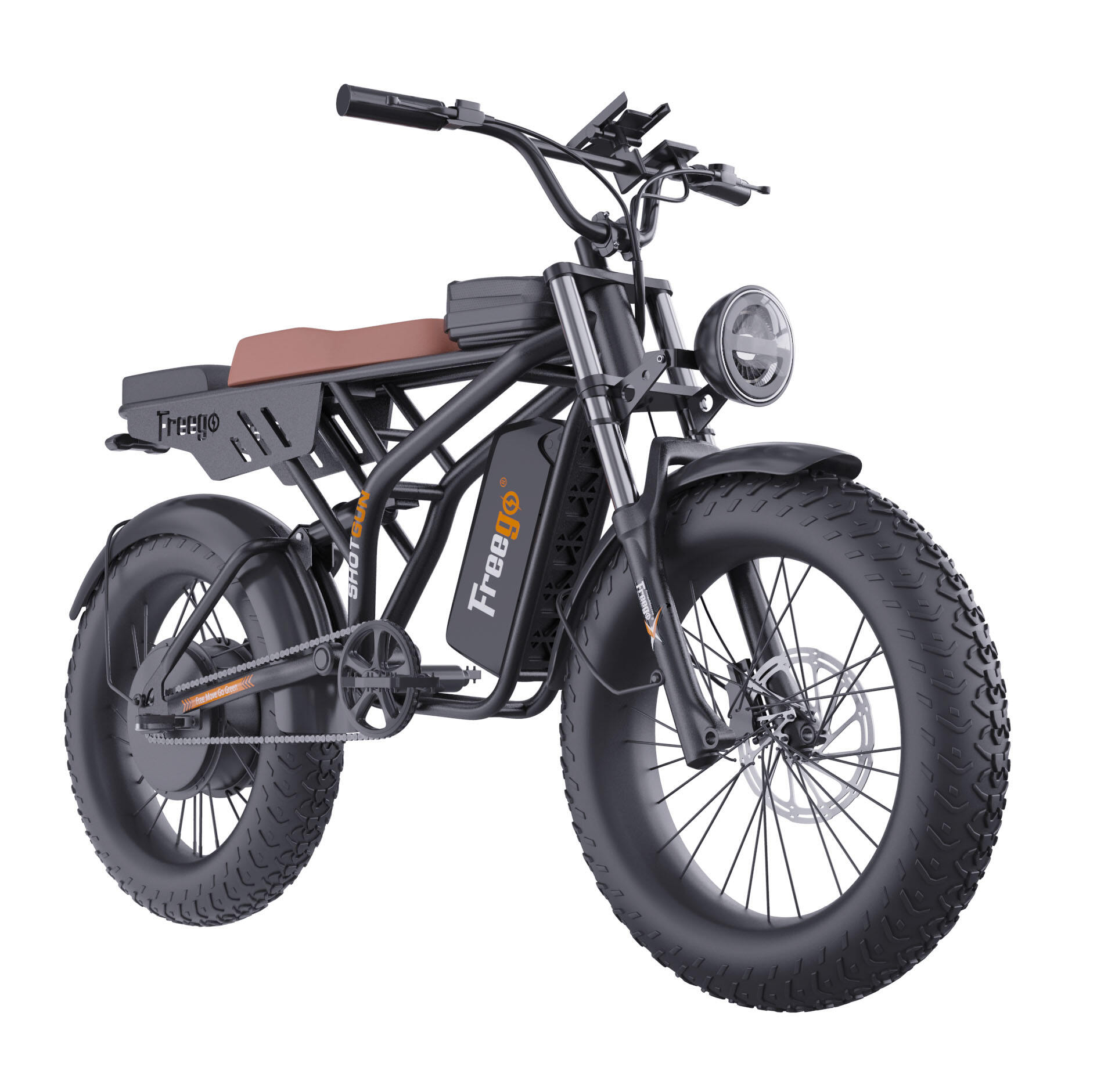
Electric Bikes as Zero-Emission Urban Mobility Solutions
Lifecycle Carbon Reduction Compared to Cars and Public Transit
Electric bikes actually produce some of the smallest carbon footprints when looking at their entire life cycle. They cut down emissions by around 200 to 300 grams of CO2 equivalent for every mile ridden compared to regular cars on the road. When it comes to making them, the environmental impact is only about 10 percent what it would be for producing an electric car. And during operation, they consume less than 1 percent of the energy used by a typical gas powered sedan. Public transportation does work well when there are enough people using it, but what makes a difference is how clean the local power grid happens to be. For folks living in regions where coal and natural gas still generate most of the electricity, riding an e-bike that gets charged from solar panels or wind farms means getting close to zero emissions while traveling independently of whatever's happening with the main power lines.
Air and Noise Pollution Mitigation in High-Density Cities
Electric bikes get rid of all tailpipe emissions, which means no more direct release of nitrogen oxides (NOx), particulate matter (PM2.5), and other harmful volatile compounds that contribute to respiratory problems and smog in cities. These bikes operate at around 55 decibels max, way below the typical range for gas-powered cars that hit between 70 to 85 dB. This makes them much quieter on the roads, something that matters because constant exposure to traffic noise isn't just annoying it actually increases the risk of high blood pressure by about 12%, according to WHO reports. When people switch from driving for short trips, especially those less than three miles away, e-bikes provide two major benefits for urban environments cleaner air quality and significantly reduced street noise pollution.
Electric Bikes and the Transformation of Urban Transportation Systems
Decongesting Streets: E-Bikes vs. Single-Occupancy Vehicles
Road space gets used much better when e-bikes enter the picture. Think about it this way: A regular car taking up space on the road needs around 140 square meters all to itself, whereas someone riding an e-bike only takes up about 7 square meters. That means nearly 95% of road space could be freed up for each person commuting. Cities can actually get away with moving roughly five times as many folks through their streets during rush hour if they switch to e-bikes. When communities manage to get rid of 20% of those short trips made by cars, people generally find their commutes cut down between 15 and 25 minutes in crowded city areas. And here's what makes e-bikes so great despite traffic jams: They keep going at speeds between 15 and 25 miles per hour pretty consistently, even when stuck behind stopped cars or red lights.
Optimizing Public Space: Parking, Roadways, and Micro-Mobility Infrastructure
Regular sized car parking spaces can actually fit around 10 to 12 electric bikes inside them, which means we could cut down on parking needs by nearly half in busy business areas. When those old parking spots aren't needed anymore, cities can put that space to better use for safer bike lanes. Bike lanes only need about 1.5 meters compared to regular car lanes that take up 3.5 meters of road space. That difference allows for three times as many dedicated cycling paths within the same distance. The extra room makes it possible to build out proper micro-mobility networks with things like charging stations for e-bikes, secure places where people can rent bikes, and convenient spots where different forms of transport connect. Money spent wisely on these kinds of improvements pays off big time. Cities see about a 23 to 1 return when they invest in e-bike friendly infrastructure because roads don't need fixing as often, there are fewer problems managing pollution, and overall land gets used much more efficiently.
Integrating Electric Bikes into Smart, Multimodal Transit Networks
First/Last-Mile Connectivity Enhancing Public Transport Accessibility
Electric bikes are solving what many call the last mile problem those few miles between where buses or trains stop and where people actually need to go. They make it possible to cover those 1 to 3 mile stretches quickly and comfortably without breaking a sweat. According to recent urban mobility studies from 2024, cities seeing e-bike adoption report about a 30% improvement in how accessible public transport feels to everyday commuters. Take a look at places like Portland or Amsterdam where they've created dedicated bike paths connecting subway stations with apartment complexes nearby these areas see around 22% more people using their train systems regularly. And when municipalities install proper bike parking facilities right next to transit centers, especially ones that shield bikes from rain and snow, it just makes sense why more folks opt for this combination approach instead of relying solely on cars or traditional buses.
Digital Platforms, Shared E-Bike Services, and Real-Time Integration
Today's electric bikes are getting pretty smart about how they work within city systems thanks to those internet of things gadgets and artificial intelligence stuff. What makes them stand out? Well, some models can actually get priority at traffic lights which saves riders around a quarter of their travel time. There's also apps that help figure out where bikes are located while matching up with when buses and trains run so people don't end up waiting forever. And cities are starting to predict where bikes should be placed before demand spikes happen, making sure everyone from downtown to the suburbs has access. All these tech upgrades turn what used to be scattered bike sharing programs into something that feels like part of the regular transportation network. According to last year's Smart Cities report, places where payments and data systems talk to each other have seen nearly twice as many people using shared e-bikes compared to others. Makes sense really because when everything works together smoothly, folks are more likely to give sustainable transport a try instead of jumping straight into their cars.
FAQ
What are the environmental benefits of using electric bikes instead of cars?
Electric bikes significantly reduce carbon emissions, with reductions of 200 to 300 grams of CO2 equivalent per mile compared to regular cars. They also have a smaller carbon footprint in terms of lifecycle impacts, consuming far less energy during operation compared to traditional gas-powered vehicles.
How do electric bikes contribute to reducing noise pollution in cities?
Electric bikes operate at much lower noise levels, around 55 decibels, compared to 70 to 85 decibels for gas-powered cars. This reduction in noise pollution decreases the risk of health issues such as high blood pressure, as highlighted in WHO reports.
Can electric bikes help decongest city streets?
Yes, electric bikes take up significantly less road space compared to cars, allowing cities to accommodate more commuters during rush hour. E-bikes provide a practical alternative for short trips, reducing congestion and commute times in crowded urban areas.
What role do electric bikes play in enhancing public transportation?
Electric bikes address the first/last-mile connectivity issue, improving access to public transport systems. They make it easier for commuters to cover short distances between transit stops and final destinations, leading to higher public transport usage and efficiency.