
 EN
EN
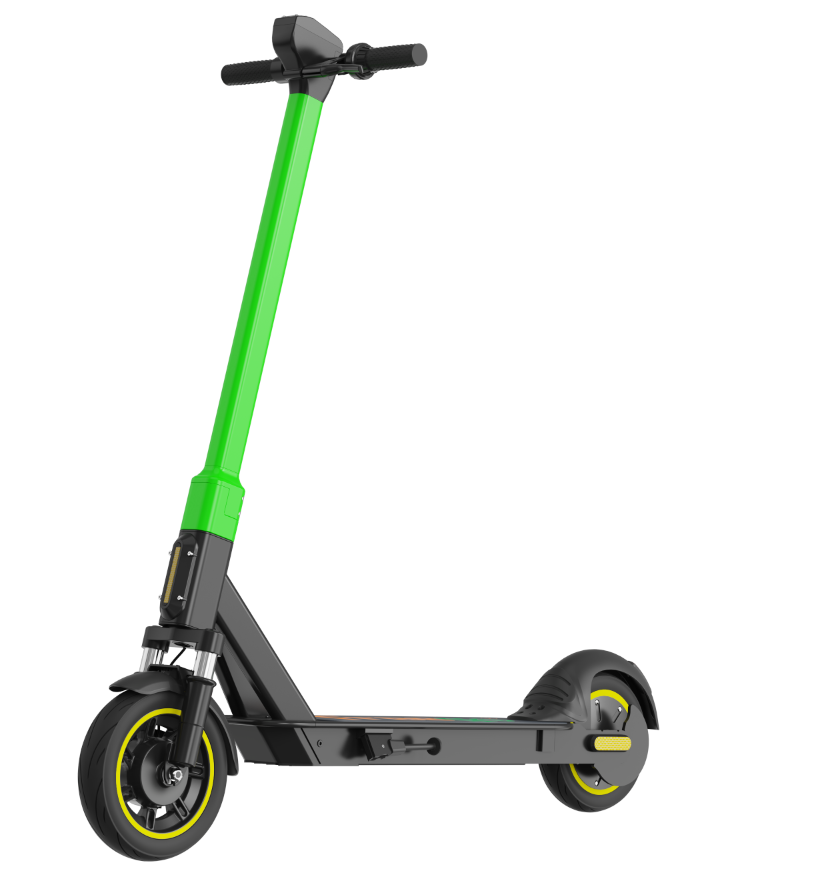
Sharing Scooters as First/Last-Mile Mobility Solutions
Scooter sharing programs fill those annoying gaps between transit stops and where people actually need to go - think office buildings, college campuses, apartment complexes. The whole first mile/last mile problem has been plaguing cities for years because those short trips just aren't worth the hassle for many folks. Take San Francisco last year when they had to shut down their scooter fleet for maintenance. Commuters saw their travel times jump anywhere from 9% to 11% according to Urban Transport Analysis. That's a big deal when someone is already running late. These little electric bikes offer something nobody else does really well: fast, cheap transportation without needing to own anything. For residents in poorer neighborhoods where buses don't run every hour and taxis are too expensive, having access to these scooters can mean the difference between getting to work on time or missing another day's pay.
Bridging Gaps Between Public Transit and Destinations
Scooter sharing programs help people get to their bus or train stops without struggling with that annoying last mile gap that keeps many folks away from public transportation altogether. Most people won't walk distances between half a mile and three miles, and taking an Uber for such short trips just costs too much money. Cities testing these programs have seen transit usage jump around 15 percent according to recent reports from Micromobility Impact in 2023. What's really interesting is how this works out for the environment too. Studies looking at the whole life cycle of these things show that shared electric scooters create about 80 percent less pollution per ride compared to regular cars. When different modes of transport work together like this, urban areas become easier to navigate. Less traffic jams, cleaner air, and overall better living conditions come from having smart connections between different ways people move around town.
Real-World Integration: Paris and Madrid’s Multi-Modal Scooter–Transit Pilots
Paris and Madrid show what happens when cities think creatively about getting people around town. Take Paris for instance they put those electric scooters right next to metro exits so folks could switch from train to scooter without breaking stride. The results? Trip times dropped about 12 percent on average, while more people started using public transport overall an 18% jump in just twelve months according to that European Urban Mobility report from last year. Across the border in Madrid, city planners linked up scooters with regular bus service through special app discounts. This combo cut down on cars being used for quick errands and saved roughly 5,000 tons of CO2 each year. What these experiments tell us is pretty clear.
- Enhanced accessibility: Subsidized scooter-transit combos doubled access for low-income groups.
- Space optimization: Reduced parking demand freed street space for pedestrians and cyclists.
-
Economic efficiency: Municipal revenues from operator permits offset infrastructure costs, supporting a self-sustaining model.
Such evidence confirms that sharing scooters are not just convenient—they’re pivotal to building resilient, future-ready cities.
Reducing Urban Congestion Through Modal Shift
Data-Driven Impact: 38% Decline in Short Car Trips in Austin Post–Sharing Scooter Launch
Scooter sharing has really cut down on people using their own cars, especially for those quick trips less than three miles away. Take Austin as an example. When they rolled out their scooter program, folks started driving less for short trips. The numbers tell the story pretty well actually. Within just a year after putting scooters on the streets, local drivers made 38% fewer short car rides. People love grabbing a scooter to get from subway stations or bus stops to work locations. No need to deal with finding parking spots, sitting in traffic jams, or paying all those extra costs that come with owning a car. What's interesting is how this works best for regular commuters who travel back and forth every day across town. These are exactly the kind of trips where cars just don't make much sense at all in crowded city areas. And when lots of people switch modes during rush hour, it makes a real difference in easing traffic congestion downtown.
How Sharing Scooters Displace Vehicle-Kilometers and Optimize Street Space
Studies suggest that every time someone takes a shared scooter instead of driving, they're cutting out between 0.7 to 1.3 vehicle kilometers on the road. Think about it this way: regular cars take up around 10 to 15 square meters just for one person, while scooters need less than 2 square meters of space. That means there's actually room left over on our streets for things like better biking paths, wider sidewalks where people can walk safely, or even some green spaces without having to build new roads. When we look at the bigger picture, if 10,000 people ride scooters each day in a city, that could mean getting rid of roughly 7,000 car trips altogether. And guess what? Those same daily rides would cut down on carbon emissions by about 4.2 metric tons every year. What makes this really interesting is how it changes the whole layout of urban areas. With fewer cars taking up so much space, cities start looking less like parking lots and more like places where people can move around comfortably and safely.
Environmental and Economic Benefits of Sharing Scooters
Lifecycle Emissions: Sharing Scooters vs. Private Cars, Buses, and Ride-Hailing
Scooter sharing definitely has environmental benefits when people choose them over driving cars. Studies show these little electric rides cut down about 20 grams of CO2 for every mile someone zips around on them instead of getting behind the wheel. The Portland transportation folks did some research too, finding somewhere between 34 to 60 percent of all those scooter rides actually replace walks people would otherwise take. But hey, even better news comes from those trips where scooters beat out cars entirely since that means real cuts in emissions. Looking at the whole picture from production to disposal, electric scooters produce fewer emissions than buses do for short trips covering less than three miles. And let's not forget how much better they are compared to ride hailing services when it comes to keeping carbon levels low. Plus their small size means manufacturers need fewer materials and spend less energy making them compared to building full sized cars or trucks. Makes sense why cities are increasingly seeing them as smart solutions for getting around densely populated areas where traffic congestion is always a problem.
Sustainable Economics: Municipal Revenue Opportunities and User Cost Savings
Scooter sharing brings real money benefits beyond just helping the environment. Cities get cash from permit fees too. Take Brisbane for instance, which pulled in around $1.7 million from scooter companies last year alone. That money goes toward fixing roads and stuff, plus it cuts down on what cities would otherwise spend building new parking lots. Regular folks save big too when they ride instead of driving. According to Ponemon research from 2023, people who ditch their cars for scooters save about $740 every year because they don't have to pay for gas, car insurance or parking tickets anymore. And there's jobs created as well. Mechanics keep scooters running, delivery workers move them around town, and others make sure they're where people need them. All these factors show that these tiny transportation options actually boost city economies while keeping getting around cheaper and easier for everyone.
Challenges and Responsible Scaling of Sharing Scooter Programs
Sharing scooters definitely help move people around cities better, but expanding them responsibly means dealing with all sorts of operational and regulatory challenges first. When companies try to scale up their operations, things get complicated fast. The connectivity problems lead to messed up data tracking, maintenance ends up being mostly reactive rather than proactive, and honestly, the money spent on running these operations tends to eat into profits pretty quickly. What works well? Finding that sweet spot between different kinds of growth. There's the vertical aspect where they need to handle more users while keeping track of all that real time information. Then there's expanding horizontally into new markets or cities. And let's not forget about making sure operations stay efficient even as fleet sizes grow without needing to hire tons of extra staff just to keep up.
Having a centralized software platform really matters when it comes to growing sustainably. These platforms bring together rider apps, admin dashboards, and all those IoT connections using what's called modular microservices. The benefit? Real time tracking of vehicles across the board, plus staying ahead of changing safety rules like mandatory helmets and designated riding areas. And let's not forget about working hand in hand with city officials too. Companies need to figure out smart parking solutions and constantly adjust where bikes or scooters end up so they don't block sidewalks. People get pretty annoyed when their walkways turn into parking lots for shared mobility devices after all.
Looking at economics, lifecycle analysis helps companies scale responsibly. When businesses adopt standard procedures for disposing lithium-ion batteries and implement swappable battery systems, they cut down on environmental damage and save money on maintenance costs per unit. The market for shared scooters worldwide is expected to hit around $6 billion by 2033 with about 15% annual growth. But rushing into expansion without solid digital infrastructure often leads to poor service quality and angry customers. Making sure transit apps can easily connect through common APIs and incorporating smart maintenance predictions into operations creates a stronger foundation. This approach ensures that shared micromobility becomes something cities welcome rather than struggle with, growing alongside urban areas as a helpful addition instead of becoming another headache.
FAQs
What benefits do scooter sharing programs provide?
Scooter sharing programs offer fast, cheap transportation for short distances, enhance accessibility, optimize space, and have environmental benefits.
How do scooters help in reducing congestion?
By replacing short car trips with scooters, they cut down vehicle-kilometers on the road and utilize less street space, easing urban congestion.
What are the economic benefits of scooter sharing?
Scooter sharing creates municipal revenues from permit fees and saves users money by reducing costs related to car ownership.
What challenges do scooter sharing programs face?
Challenges include connectivity, data tracking, maintenance issues, and managing operations as fleet sizes grow.
How do scooters contribute to environmental efforts?
They produce lower lifecycle emissions compared to private cars and buses, reducing pollution in urban areas.