
 EN
EN
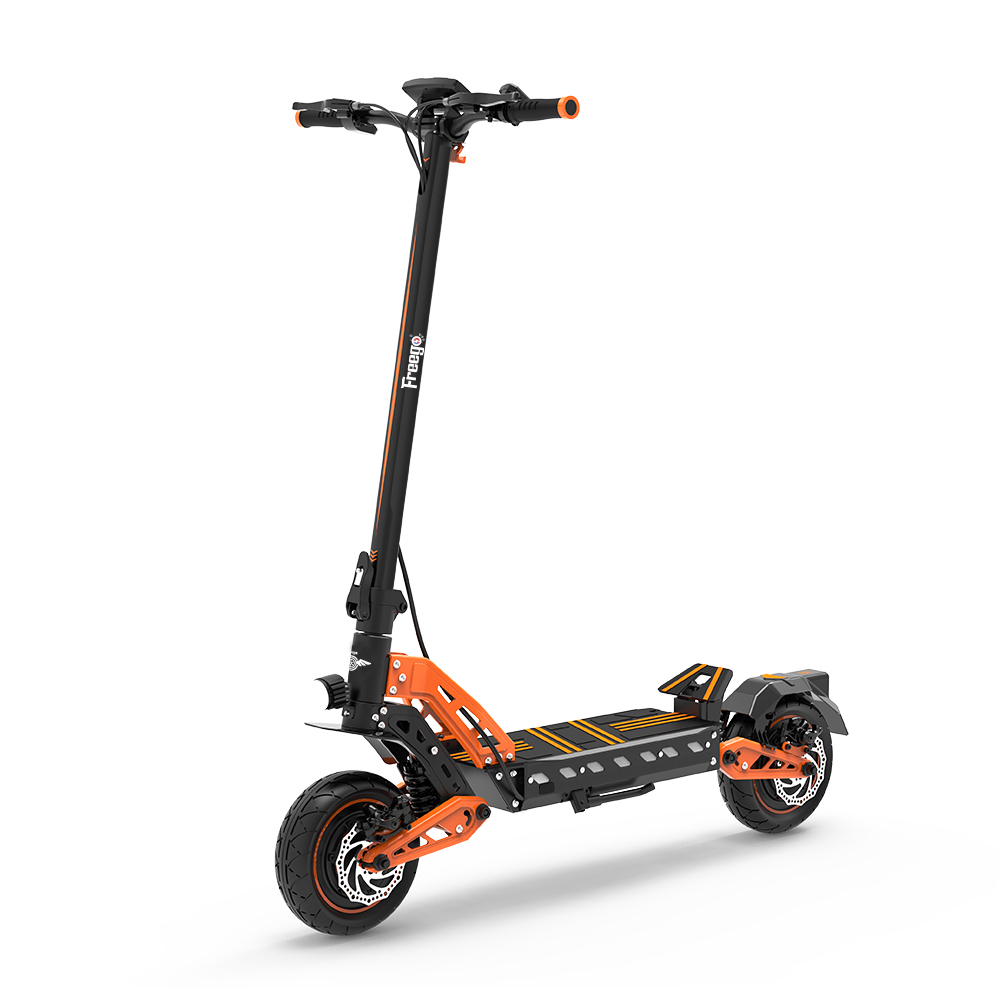
Აშენების ხარისხის შეფასება: ჩარჩოს მასალები და კომპონენტების მდგრადობა
Ალუმინის წინააღმდეგ ფოლადის ჩარჩოები: სიმტკიცე, წონა და კოროზიის მიმართ მდგრადობა
Ელექტრო საყმაწვლეების შექმნისას, მწარმოებლებს უნდა იპოვონ მასალების ის იდეალური კომბინაცია, რომელიც საკმარისად მყარი იქნება, მსუბუქი წონით და გამძლე ქალაქის გზებზე ხშირი დარტყმებისა და ხატების მიმართ. 6061-T6 შენადნობის მსგავსი ალუმინის შენადნობები დაახლოებით 15-20 პროცენტით იწონიან ნაკლებს ფოლადის ვარიანტებზე, რაც საყმაწვლეების ტარებას უფრო მარტივს ხდის მათი მყარი ბუნების შეუცვლელად. თუმცა, თუ ვსაუბრობთ ნამდვილ პირობებში გამძლეობაზე, თბომუშაობით დამუშავებული ფოლადის ჩარჩოები უკეთ ემუქრება დატვირთვას. წლის ბოლოს ჩატარებულმა ლაბორატორიულმა გამოცდებმა აჩვენა, რომ ფოლადი 35-50 პროცენტით მეტ ძალას იძლევა დაღუნვამდე ან გატეხვამდე. ოკეანის ახლოს მყოფი მომხმარებლებისთვის ალუმინის კიდევ ერთი უპირატესობა აქვს. მაღალი მარილიანობის წყალი მეტალის ნაწილებზე საკმაოდ აგრესიულია, მაგრამ ალუმინი ბევრად გრძელ ხანს უმჯობინ წინააღმდეგობას. იმავე ინდუსტრიული სტანდარტების მიხედვით, ალუმინი 1000 საათზე მეტს გამძლეობს მარილიან სპრეიში, ხოლო ჩვეულებრივი ფოლადი უკვე 300-400 საათში იწყებს ჟანგის გამოყოფას. ეს სხვაობა მნიშვნელოვან მნიშვნელობას ასაკებს პლაჟის გასწვრივ ან წვიმიან სანაპირო ქალაქებში მოძრაობის დროს.
Კრიტიკული კომპონენტები: გადამცემი ბორბლები, პოდშიბნიკები და სავიბრაციო სისტემები
Ჩვეულებრივი პნევმატიკური გუმები სავალ ზედაპირზე ხმარის დაახლოებით 30 პროცენტით მეტ ვიბრაციას, ვიდრე მათი მყარი ანალოგები. ეს ნიშნავს მძღოლის უფრო მაღალ კომფორტს, თუმცა ამას თან ახლავს დარტყმებისა და დაჭიმვების უფრო მაღალი რისკი. პრემიუმ ველოსიპედების შემთხვევაში, წარმოებლები ჩვეულებრივ ირჩევენ 8 ინჩზე მეტ ჰაერით შევსებულ გუმებს, რომლებიც აღჭურვილია დახურული კასეტური პოდშიბნიკებით IP67 დამცავი კლასით. ასეთი კონფიგურაცია ხშირად არ საჭიროებს სერვისს და იმსახურებს 1500-დან 2000 მილამდე, სანამ მორგება არ მოუწევს. წინა სავიბრაციოს შემთხვევაში, ზეთით შევსებული შოკ-აბსორბერებით აღჭურვილი სისტემები ამცირებს დარტყმის ძალას დაახლოებით 40-დან 60 პროცენტამდე, როდესაც შედარება ხდება საფუძვლიან მყარ ვილკებთან. Urban Mobility Institute-მ ჩაატარა სტრეს-ტესტები, რომლებიც აჩვენებს, რომ ეს ნამდვილად განსხვავებულად აისახება კომპონენტების სიცოცხლის ხანგრძლივობაზე, როდესაც მოძრაობა ხდება უმაღლეს ან უხეშ სავალ ზედაპირზე.
Წარმოების სტანდარტები და რეალური შესრულება ყოველდღიური გამოყენების პირობებში
Წარმოების ხარისხს დიდი გავლენა აქვს იმაზე, თუ როგორი ხანგრძლივობის იქნება პროდუქტები. როდესაც წარმოების დროს გამოიყენება მრეწველობითი დონის შედუღება, რომელიც აკმაყოფილებს ISO 5817 დონე B-ს, ასევე CNC დამუშავება კვანძებისა და ჩარჩოებისთვის, ისინი ხანგრძლივობაში 2-3-ჯერ მეტს გადაუჭრიან იმ მოდელებს, რომლებიც შედუღებულია მარტივი წერტილოვანი შედუღებით. ჩვენ ჩავატარეთ 12-თვიანი ტესტირება 200 ყოველდღიური მომხმარებლის მონიტორინგით და დავასკვენით: EN 17128:2020 სპეციფიკაციის მიხედვით დამზადებულ საერთო სატრანსპორტო საშუალებებს ნამდვილად ნაკლები პრობლემა ჰქონდა ნაწილების გამოსვლის შესახებ სხვა მოდელებთან შედარებით. სხვაობა შესამჩნევი იყო – დაზიანებები 82%-ით ნაკლები იყო. ასევე არ დაგავიწყდეთ ამინდის დამცავი დამცავი საშუალებებიც. იმ საერთო სატრანსპორტო საშუალებებს, რომლებსაც ელექტრონული კომპონენტები არ აქვთ IP54 დაცვის დონით, წვეთის დროს სერიოზული პრობლემები ექმნებათ. ჩვენი მონაცემები აჩვენებს, რომ ისინი წყლიან პირობებში მოტორის გამოსვლის პრობლემას უფრო მაღალი სიხშირით განიცდიან – დაახლოებით სამჯერ მეტი სიხშირით, ვიდრე შესაბამისად დაცული მოდელები.
Შემთხვევის ანალიზი: ca ალუმინის ჩარჩოების მქონე ელექტრო სარქვლების გრძელვადიანი მდგრადობა
Სამი ალუმინის ჩარჩოს გამოყენებით დამზადებული საერთო სატრანსპორტო საშუალების გამოკვლევა, რომლებმაც 5000 მილზე მეტი გაიარეს, აჩვენა საკმაოდ კარგი შედეგი თვითონ ჩარჩოების მიმართ, თუმცა შეჯიბრების მიმართ შესამჩნევად დამახინჯება დაფიქსირდა ფოლადის მოდელებთან შედარებით. სინამდვილეში, შეჯიბრები დაახლოებით 40%-ით უფრო სწრაფად იმსხვრნენ. ზოგიერთი დამოუკიდებელი ტესტიც ამას ადასტურებს. ფოლადის ჩარჩოს მქონე საერთო სატრანსპორტო საშუალებებს გარანტიის ვადის გასვლის შემდეგ დაახლოებით 23%-ით ნაკლები შეკეთება სჭირდათ. რას ნიშნავს ეს? ალუმინი უთავსებს წონის მიმართ უპირობო უპირატესობას, მაგრამ გრძელვადიანობაში ფოლადი უკეთ გამძლეობს. იმ ადამიანებისთვის, რომლებიც საწყის დანაზოგზე მხოლოდ არ ფიქრობენ, არამედ მთლიან ფლობის ღირებულებაზე, ფოლადის ჩარჩო შეიძლება განვიხილოთ, მიუხედავად იმისა, რომ საწყისში უფრო მძიმეა.
Ძრავის სიმძლავრე და ეფექტურობა: საიმედო შესრულების უზრუნველყოფა დროთა განმავლობაში
Მოძრავი ძალის სწორად შერჩევა განსაზღვრავს მის წარმატებულ შესრულებას და ხანგრძლივობას. როდესაც ძრავები მუშაობს 70-დან 85 პროცენტამდე იმისა, რაზეც ისინი დაშვებულნი არიან, ისინი დაახლოებით 42 პროცენტით ნაკლებად იშლებიან იმ ძრავებთან შედარებით, რომლებიც მუდმივად იჭარბებენ საკუთარ ლიმიტებს. ამიტომ იმდენად მნიშვნელოვანია მძღოლის წონის და იმ ტერიტორიის გათვალისწინება, რომელზეც ის იმოძრავებს. განვიხილოთ მაგალითი: უმეტეს შემთხვევაში 250 ვატიანი ძრავები კარგად მუშაობს ადამიანებისთვის, რომლებიც იწონიან 200 ფუნტამდე, როდესაც ისინი მოძრაობენ ბრტყელ ზედაპირზე. თუმცა, თუ ვინმეს სურს დამატებითი ტვირთის გატანა ან რეგულარულად იმოძრავებს დახრილ ტერიტორიებზე, მაშინ საჭირო ხდება 350 ვატიანი ძრავის შეძენა, განსაკუთრებით იმიტომ, რომ ასეთი მაღალი სიმძლავრის მოდელები ჩვეულებრივ აღჭურვილია უკეთესი გაგრილების სისტემით.
Თერმული მართვა საკმაოდ მნიშვნელოვანია — უწყვეტი დახრილობის ასვლა ძრავის ტემპერატურას ამატებს 58°F-ით გარემოს ტემპერატურაზე მეტს, რაც აჩქარებს დამხმარე სისტემებში მოწონებას (ScienceDirect, 2023). აირჩიეთ 85%-ზე მაღალი ეფექტიანობის მქონე ძრავები, რადგან დაბალი ეფექტიანობის მქონე მოდელების გამართვის ჩანაწერები მწარმოებლების მიხედვით აჩვენებს სამჯერ მეტ გამართვის სიხშირეს ექვსი თვის განმავლობაში რეგულარული გამოყენების შემდეგ.
Როდესაც საკითხად გამოდის ძრავის ხანგრძლივობის პროგნოზირება, უნდა გააკეთოთ სამი მთავარი რამ. პირველ რიგში, შეამოწმეთ, არის თუ არა ტემპერატურა სტაბილური 30 წუთიანი სტრეს-ტესტების განმავლობაში. მეორე, შეხედეთ, შენარჩუნდება თუ არა ძაბვა დაახლოებით 5% სტაბილურობის ფარგლებში, როდესაც ძრავა ნამდვილად მძიმე დატვირთვაში მუშაობს. და მესამე, შეამოწმეთ, არის თუ არა კრუტი მყარი იმავე მნიშვნელობის მინიმუმ 75%, რაც იგი იყო ორიგინალში, მაშინ, როდესაც ძრავა დაახლოებით 1,000 მილი უკვე გაასვლია. ძაბვის სწორად მართვა მხოლოდ შესრულებისთვის არ არის მნიშვნელოვანი. ძრავები, რომლებიც კარგად აკონტროლებენ ძაბვას, სულ მცირე 18%-ით ნაკლებ ენერგიას არიდებენ. ასევე არსებობს მექანიკური მხარეც. დახურული პოდშიბები და ძველი სმეხისგან სრულად გაწმენდილი გებები ქმნიან ბარიერს სიბინძურისა და ნაგავის წინაშე. ეს მცირე ნაწილაკები ნამდვილ სამყაროში უმეტეს ადრეულ ძრავის გაუმართაობას იწვევს.
Ბატარეის ხანგრძლივობა და მარშრუტის მუდმივობა ნამდვილ პირობებში
Ლითიუმ-იონური ბატარეების განვითარება და ციკლური სიცოცხლის მოლოდინი
Უმეტესობა თანამედროვე ელექტრო სარკეპეებისა ლითიუმ-იონურ აკუმულატორებს იყენებს, რომლებიც 500 სრული საწყისი ციკლის შემდეგ ინახავს 80%-იან ტევადობას (LANPWR 2024). როდესაც ისინი ტემპერატურის კონტროლით აღჭურვილ ბატარეის მართვის სისტემას (BMS) ერთვიან, პრემიუმ მოდელები 3–4 წლის განმავლობაში უზრუნველყოფს საიმედო მუშაობას შეცვლამდე.
Საწყისი ჩვევები და დეგრადაცია: რა ხდება 1–2 წლის შემდეგ?
Ხშირი სრული განმუხტვა (0–100%) სიმძლავრის დაკარგვას 18 თვის განმავლობაში 30%-ით აჩქარებს ნახევრად საწყისთან შედარებით 20–80%-ის შორის (Large Battery Co. 2023). ბატარეის ჯანმრთელობა ყვება ყველაზე სწრაფად, როდესაც სარკეპეები 72 საათზე მეტი ხანი სრულად დამუხტული ინახება, დამუხტავს 95°F (35°C)-ზე მეტი ტემპერატურის მქონე მოძრაობის შემდეგ ან გამოიყენება ყინულის ქვეშ პირობებში თერმული დაცვის გარეშე.
Ელექტრო სარკეპის ბატარეის სიცოცხლის გასაგრძელებლად საუკეთესო პრაქტიკები
Ბატარეის ხანგრძლივობის გასაზრდელად შეინახეთ დღიური მუხტის დონე 30–80%-ს შორის, შეინახეთ საერთო ტრანსპორტი კლიმატურად კონტროლირებად გარემოში (50–77°F / 10–25°C), და სწრაფი მუხტვა გამოიყენეთ მხოლოდ საგანგებო შემთხვევებისთვის. თვეში ერთხელ სრული მუხტის განადგურება-თავდამუხტვა ეხმარება BMS-ის კალიბრაციაში, რათა სიზუსტით განსაზღვროს მოძრაობის მაქსიმალური მანძილი.
Შევსებული ინტერვალი: რეკლამირებული მანძილი წინააღმდეგობაში ფაქტობრივ გრძელვადიან შედეგთან
Მწარმოებლის მიერ მითითებული მანძილი ითვალისწინებს იდეალურ პირობებს: 165 ფუნტიანი (75 კგ) მძღოლი, 68°F (20°C) ტემპერატურა და უწყვეტი სავარძელი. რეალური ფაქტორები ჩვეულებრივ ამცირებს ეს მაჩვენებლებს 25–40%-ით:
| Ფაქტორი | Მანძილის შემცირება |
|---|---|
| Ცივი ამინდი (<40°F) | 15–30% |
| Დახრილობები (>6% დახრა) | 20–45% |
| Მაღალი სიჩქარით მოძრაობა | 18–35% |
Ორი წლის შემდეგ, მიუხედავად იმისა, რომ ბატარეა კარგად მaintenance-ილია, ბუნებრივი უჯრედის დაძველების გამო ის აწვდის მხოლოდ 72–78%-ს თავდაპირველი მაქსიმალური მანძილისა.
Გუმები, დაკიდება და ამინდის წინააღმდეგობა ყველა ტიპის სავარძლისთვის მდგრადობისთვის
Ჰაერით ავსებული გუმები წინააღმდეგობაში უჟანგავ გუმებთან: დარტყმის წინააღმდეგობა, კომფორტი და გამოყენება
2023 წლიდან ჩატარებული კვლევები აჩვენებს, რომ პნევმატური საბურავები შეიძლება შეამციროს მძღოლის დაღლილობა, რადგან ისინი დაახლოებით 30% -ით მეტ საგზაო ვიბრაციას შეიწოვებენ მათი მყარი კოლეგების შედარებით. მაგრამ მოდით გავითვალისწინოთ, რომ ეს ჰაერით სავსე საბურავები სულ იკვრება, როდესაც ქალაქებში სავსე მინებით, კოჭებითა და სხვა ნარჩენებით დადიხართ. ზოგიერთი მწარმოებელი იწყებს ჰიბრიდული საბურავების დამზადებას, რომელთა მხარეები უფრო ძლიერია და სპეციალური რეზინის ნაზავები, რომლებიც ცდილობენ დაახსნან კომფორტულობასა და გამძლეობას შორის არსებული სხვაობა. სოლიდური საბურავები ნამდვილად არ გაფუჭდებიან, მაგრამ ისინი უფრო მეტ საგზაო სასჯელს გადასცემენ ველოსიპედის ნაწილებს. ჟსჟრთმვნრვ ნა ჟსჟრთმვნრვ თმამვ ეა ჟვ ჟსჟრთმვნ ჟლვეჲ, ოჲ-აკჲფნჲ აკჲ კსევნ კსჟრთმ ოჲ 50 მაილ. ეს დამატებითი სტრესი საკმაოდ სწრაფად იმატებს რეგულარულ მგზავრებს ან შაბათ-კვირას მგზავრებს, რომლებიც სერიოზულ მანძილზე დადიან ველოსიპედით.
Ელვის კონსტრუქცია და შეჯახების შთანთქმა უცხო ქალაქურ ან ოფროდულ ზედაპირებზე
Ორმაგი ზამბარის ან ჰიდრავლიკური შეკრების სისტემები ხანგრძლივობას აძლევს გუმბათებს 18–22%-ით უხეშ ადგილებზე, რადგან ამცირებს პირდაპირ ზემოქმედების ძალებს. ოფ-როუდ გამოყენებისთვის 100–150მმ სიარული უზრუნველყოფს სტაბილურობას 15 მილი/სთ-ზე მეტი სიჩქარით. ურბანული საკიბოები უპირატესობას ანიჭებენ კომპაქტურობას, მაგრამ მაინც უნდა იყოს შესაბამისი დამუხტვის სისტემა კომპონენტების სიცოცხლის შესანარჩუნებლად.
IP რეიტინგების ახსნა: როგორ იცავს წყალისა და მტვრისგან თქვენი ელექტრო საკიბო
IP54-ით დარეიტინგებული საკიბოები წინააღმდეგდება მსუბუქ წვიმას და მტვრის, რაც შესაფერისია შემთხვევითი სინათლის პირობებისთვის. ყოველდღიური მგზავრები წვიმიან კლიმატში უნდა აირჩიონ IP67 სერტიფიკაცია. ტესტირება აჩვენებს, რომ IP67-ით დარეიტინგებულ მოდელებს წვიმიანი სეზონის 12 თვის განმავლობაში 76%-ით ნაკლები მოტორის გამართვის შეცდომა აქვს საშუალო ამინდის დაცვის შედარებით.
Ველური შედარება: ურბანული მოგზაურობა წინააღმდეგობაში მიქსირებული ტერიტორიის მდგრადობის მოთხოვნებთან
Ქალაქში მოძრავი მომხმარებლები, რომლებიც 15-დან 25 მილი საათში სიჩქარით მოძრაობას გეგმავენ, უმჯობეს შედეგებს აჩვენებენ ვიწრო ნახევრად ჰაერიანი გუმბათებით. თუმცა, რომლებიც სხვადასხვა საფარზე მოძრაობენ, უნდა მიმართონ იმ 10-ინჩიან ბაგირიან გუმბათებს, რომლებიც თავის გაწმენდას მოძრაობის დროს ახდენენ. 2023 წლის ველური ტესტები გამოავლინეს საინტერესო მონაცემები ყველა ტერიტორიის საერთო სატრანსპორტო საშუალებების შესახებ. ორმაგი შეშევის მქონე მოდელებმა შეინარჩუნეს მიახლოებით 91 პროცენტი ბატარეის ხანგრძლივობის მიუხედავად 500 მილის გავლის შემდეგ გზიდან გასვლის შემდეგ. ეს ფაქტობრივად 20 პროცენტით მეტია, ვიდრე ქალაქური მოდელები გვიჩვენებენ. ეს მაჩვენებლები კარგად ასახავს, თუ რატომ არის მნიშვნელოვანი უფრო მდგრადი მანქანების შექმნა, როდესაც ბატარეების სწორი მუშაობის შესანარჩუნებლად მაღალი დატვირთვა ხდება.
Გარანტია, მოვლა და შემდგომი მომსახურება გრძელვადიანი საიმედოობისთვის
Გარანტიის პირობების ინტერპრეტაცია როგორც მწარმობლის დარწმუნების საზომი
Გარანტიის ვადა მწარმობლის დამოკიდულებას ასახავს მაღალ მაჩვენებლებზე. 2023 წლის Consumer Reports-ის კვლევის თანახმად, იმ საერთო სატრანსპორტო საშუალებებს, რომლებსაც 18 თვეზე მეტი ვადით გარანტია აქვთ, 38%-ით ნაკლებად ჭირდებათ შეკეთება, ვიდრე 6–12 თვით დაზღვეულ მოდელებს. ყურადღებით შეამოწმეთ გარანტიის მოქმედების სფერო, განსაკუთრებით მაღალი მომსახურების კომპონენტების შესახებ — წამყვანი ბრენდები ახლა მოძრავი ნაწილებისა და აკუმულატორებისთვის ცალ-ცალკე 2 წლიან გარანტიას სთავაზობენ.
Ნაგავის ნაწილებისა და სერვისული ქსელების ხელმისაწვდომობა მიმდინარე შეკეთებისთვის
Როგორც კი მაგრი იქნებიან, საერთოდ გაჩერდებიან, როდესაც ადამიანებს ვეღარ შეუძლიათ ნაწილების შეცვლა. ინდუსტრიის დიდი სახელები ქვეყნის მასშტაბით აქვთ ლოკალური სერვისის პუნქტები, სადაც ადამიანებს შეუძლიათ მიიღონ ისეთი ნაწილები, რომლებიც ხშირად იცვლება გამოყენების შედეგად, მაგალითად, დამუხრუჭების ფარდები, რომლებიც დაახლოებით ყოველ 400 მილზე ერთხელ უნდა შეიცვალონ, ასევე ახალი გუმბათები საჭიროების შემთხვევაში. იმ ადამიანებისთვის, რომლებიც ცხოვრობენ ადგილებში, სადაც არ არის მაღაზიები ახლოს, სწრაფი достავილის შესაძლებლობების შემოწმება საკმაოდ მნიშვნელოვანია. მონაცემების მიხედვით, თუ ნაწილების მიღება გრძელდება 10 სამუშაო დღეზე მეტს, მომხმარებლები თითქმის ორჯერ უფრო ხშირად უარს ამბობენ საკუთარ საერთოზე მოძრაობაზე უკან დასაბრუნებლად, ვიდრე სწრაფი მიწოდების შემთხვევაში, მონაცემები კი არის წლის ურბანული მობილობის ანგარიშიდან.
Სტანდარტული შემოწმების სია: დამუხრუჭება, მომხსნელი მექანიზმები და გაწმენდა
- Კვირაში ერთხელ : შეამოწმეთ დამუხრუჭების ფარდის სისქე (შეცვალეთ, თუ ≤2მმ); შეამოწმეთ მომხსნელი მექანიზმის წინააღმდეგობა
- Ყოველთვიურად : გაასველეთ იარაღები ზღვის ხარისხის ჟელით; შეამოწმეთ მართვის ღერის სადგურის ტორქი
- Ყოველწელზე სამჯერ : შეამოწმეთ საკიდე მექანიზმის ღერძები; გაასუფთავეთ წყლის გადინების არხები
Ამ ამოცანების გადახვევა ზრდის ცვეთას — ჩამოსაღლებადი მექანიზმების არასწორი ტენზიურობა წარმოადგენს ჩარჩოსთან დაკავშირებული გამართულებების 41%-ს (Micromobility Safety Report 2024).
Შენახვის რჩევები ამ პირობებში ამინდის წინააღმდეგობისა და კომპონენტების მთლიანობის შესანარჩუნებლად
Შეინახეთ საერთო სატრანსპორტო საშუალებები მშრალ, ტემპერატურის კონტროლით შეუფერებელ გარემოში (იდეალურად 50–75°F). იმ მოწყობილობებს, რომლებიც ექვემდებარებიან 32°F-ზე დაბალ ტემპერატურას ექვსი თვის განმავლობაში, აღენიშნებათ 22%-ით უფრო სწრაფი გუმბათის გაფხვიერება და IP-რეიტინგის სილების ეფექტურობის 18%-იანი შემცირება.
Კომპონენტების განახლება ელექტრო სატრანსპორტო საშუალების სამუშაო ვადის გასაგრძელებლად
Გარანტიის ვადის გასვლის შემდგომი განახლებები, როგორიცაა კერამიკული სარქვლები — რომლებიც სამჯერ მეტ ხანს გრძელდება, ვიდრე სტანდარტული ფარდები, და მაღალი ციკლური ბატარეები, შეიძლება გააგრძელოს სატრანსპორტო საშუალების სიცოცხლის ვადა 2–3 წლით. ყოველთვის დაადასტურეთ თავსებადობა, რადგან შეუთავსებელი მოძრავი კონტროლერები იწვევს არაორიგინალური ნაწილების გამართულებების 31%-ს.
Მომხმარებლის ქცევის პარადოქსი: რატომ უარესდება მდგრადი სატრანსპორტო საშუალებები არასწორი მოვლის გამო
Თუ საბაჟო მოვლა იგნორირდება, პრემიუმ საერთო ტრანსპორტის ხანგრძლივობა 63%-ით მცირდება. მარილიან წყალში გასვლა გამომშრალის გარეშე კოროზიის ჩამოყალიბებას აჩქარებს ოთხჯერ — ეს კი ხშირად არის ელექტრონული გაუმართაობების მთავარი მიზეზი. რეგულარული გაწმენდა და მოვლის გრაფიკის დაცვა აუცილებელია იმისათვის, რომ საერთო ტრანსპორტი მაქსიმალურად დამუშავდეს.
Ხელიკრული
Რა არის საუკეთესო ჩარჩოს მასალა ელექტრო საერთო ტრანსპორტისთვის სანაპირო ზონებში?
Ალუმინი უპირატესობას იქნებს სანაპირო ზონებში კოროზიის მიმართ მისი მდგრადობის გამო, რომელიც აჭარბებს ფოლადის 300-400 საათს 1,000-ზე მეტი საათით მარილიან სპრეიში გამოცდის დროს.
Რამდენი ხანში უნდა შეინარჩუნოს ჰაერით შევსებული გუმბათები?
Ჰაერით შევსებულ გუმბათებს ზოგადად ნაკლებად სჭირდება მოვლა. მათი ხანგრძლივობა შეიძლება იყოს 1,500-დან 2,000 მილამდე მოვლის გარეშე.
Რა გავლენა აქვს ცივ ამინდში სიარულს აკუმულატორის მარშრუტზე?
Ცივ ამინდში აკუმულატორის მარშრუტი შეიძლება შემცირდეს 15-30%-ით ბატარეის უჯრებზე ტემპერატურის გავლენის გამო.
Როგორ აისახება გარანტიის ვადა საერთო ტრანსპორტის სიმტკიცეზე?
Სკუტერები, რომლებზეც 18-ზე მეტი თვის გარანტია ვრცელდება, ჩვეულებრივ ნაკლებ რემონტს საჭიროებს და მწარმოებლის პროდუქტის მდგრადობაში უფრო დიდ ნდობას ასახავს.
Რატომ არის მნიშვნელოვანი რეგულარული შემოწმება სკუტერის სიცოცხლის გასაგრძელებლად?
Რეგულარუი შემოწმება აჩქარებულ ცვეთას ახშობს; მაგალითად, არასწორად დატენზირებული საღმები ჩარჩოს დაზიანების შემთხვევების 41%-ში არის დამნაშავე.
Შინაარსის ცხრილი
-
Აშენების ხარისხის შეფასება: ჩარჩოს მასალები და კომპონენტების მდგრადობა
- Ალუმინის წინააღმდეგ ფოლადის ჩარჩოები: სიმტკიცე, წონა და კოროზიის მიმართ მდგრადობა
- Კრიტიკული კომპონენტები: გადამცემი ბორბლები, პოდშიბნიკები და სავიბრაციო სისტემები
- Წარმოების სტანდარტები და რეალური შესრულება ყოველდღიური გამოყენების პირობებში
- Შემთხვევის ანალიზი: ca ალუმინის ჩარჩოების მქონე ელექტრო სარქვლების გრძელვადიანი მდგრადობა
- Ძრავის სიმძლავრე და ეფექტურობა: საიმედო შესრულების უზრუნველყოფა დროთა განმავლობაში
- Ბატარეის ხანგრძლივობა და მარშრუტის მუდმივობა ნამდვილ პირობებში
-
Გუმები, დაკიდება და ამინდის წინააღმდეგობა ყველა ტიპის სავარძლისთვის მდგრადობისთვის
- Ჰაერით ავსებული გუმები წინააღმდეგობაში უჟანგავ გუმებთან: დარტყმის წინააღმდეგობა, კომფორტი და გამოყენება
- Ელვის კონსტრუქცია და შეჯახების შთანთქმა უცხო ქალაქურ ან ოფროდულ ზედაპირებზე
- IP რეიტინგების ახსნა: როგორ იცავს წყალისა და მტვრისგან თქვენი ელექტრო საკიბო
- Ველური შედარება: ურბანული მოგზაურობა წინააღმდეგობაში მიქსირებული ტერიტორიის მდგრადობის მოთხოვნებთან
-
Გარანტია, მოვლა და შემდგომი მომსახურება გრძელვადიანი საიმედოობისთვის
- Გარანტიის პირობების ინტერპრეტაცია როგორც მწარმობლის დარწმუნების საზომი
- Ნაგავის ნაწილებისა და სერვისული ქსელების ხელმისაწვდომობა მიმდინარე შეკეთებისთვის
- Სტანდარტული შემოწმების სია: დამუხრუჭება, მომხსნელი მექანიზმები და გაწმენდა
- Შენახვის რჩევები ამ პირობებში ამინდის წინააღმდეგობისა და კომპონენტების მთლიანობის შესანარჩუნებლად
- Კომპონენტების განახლება ელექტრო სატრანსპორტო საშუალების სამუშაო ვადის გასაგრძელებლად
- Მომხმარებლის ქცევის პარადოქსი: რატომ უარესდება მდგრადი სატრანსპორტო საშუალებები არასწორი მოვლის გამო
- Ხელიკრული