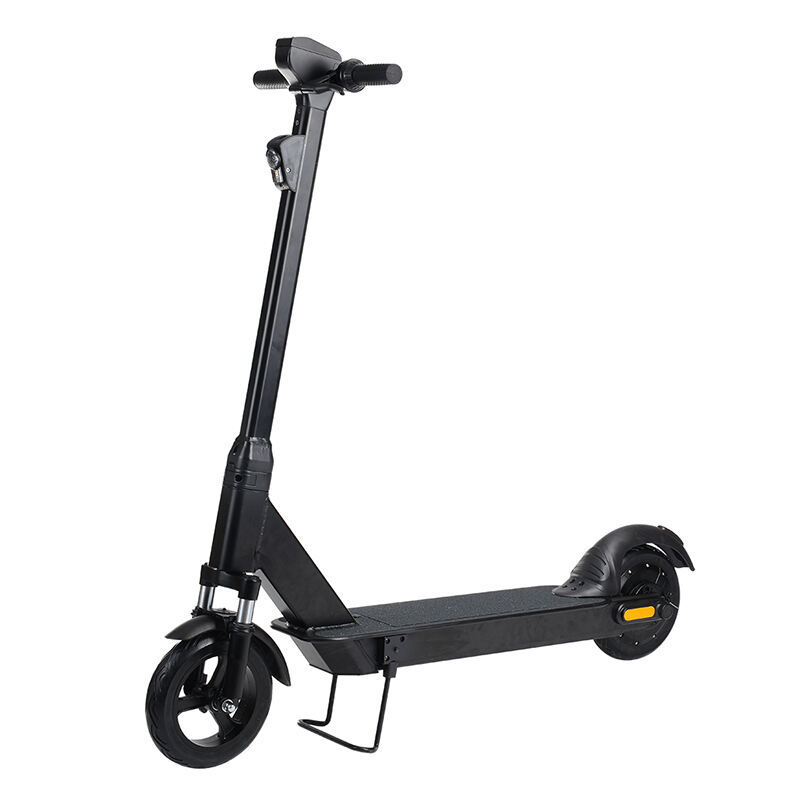
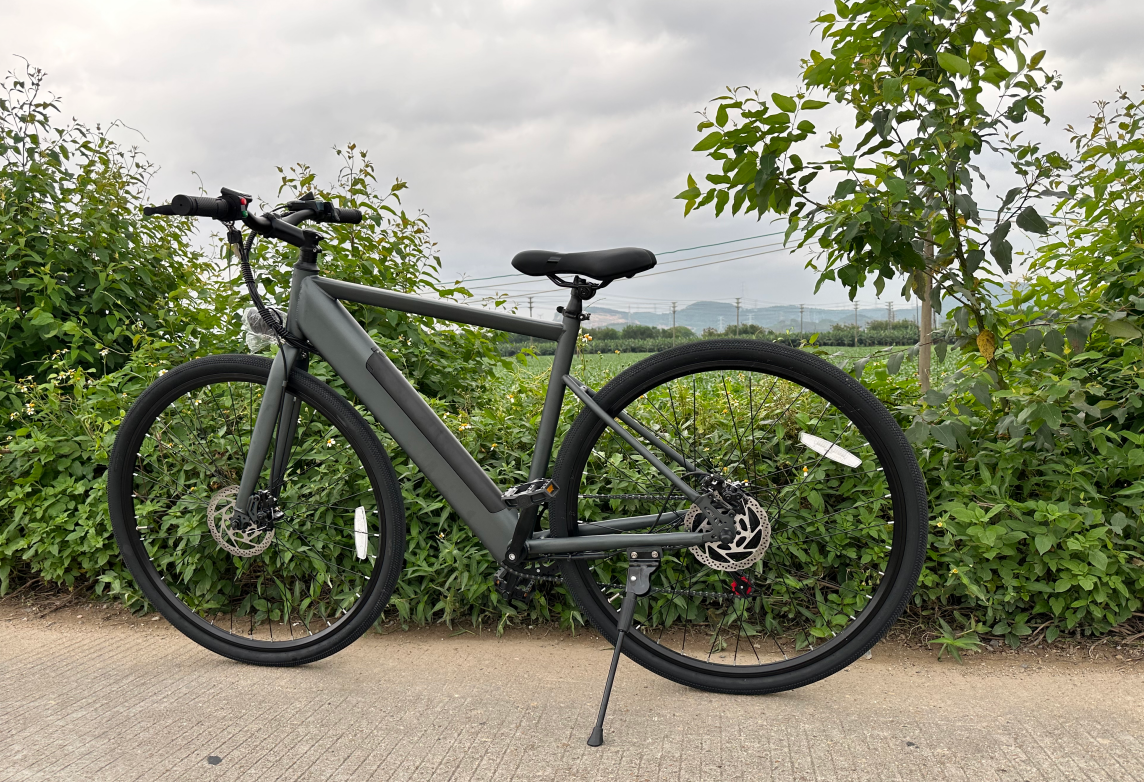
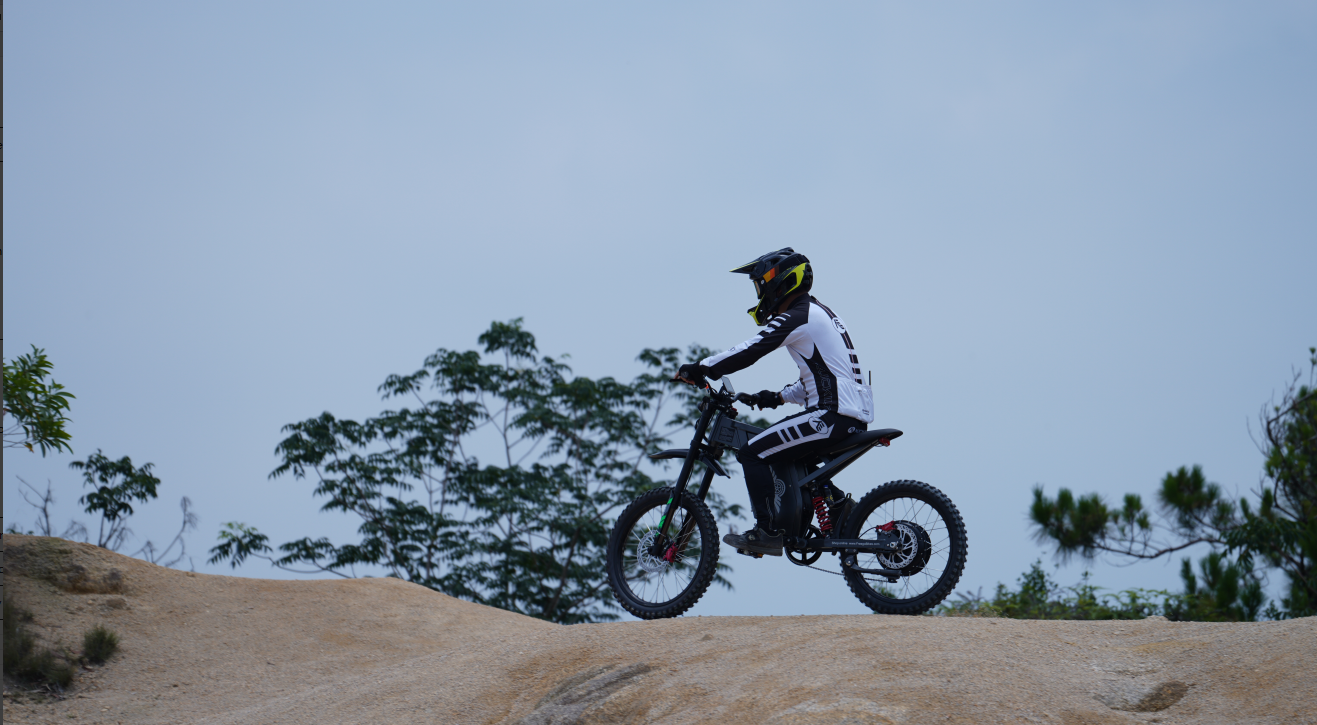
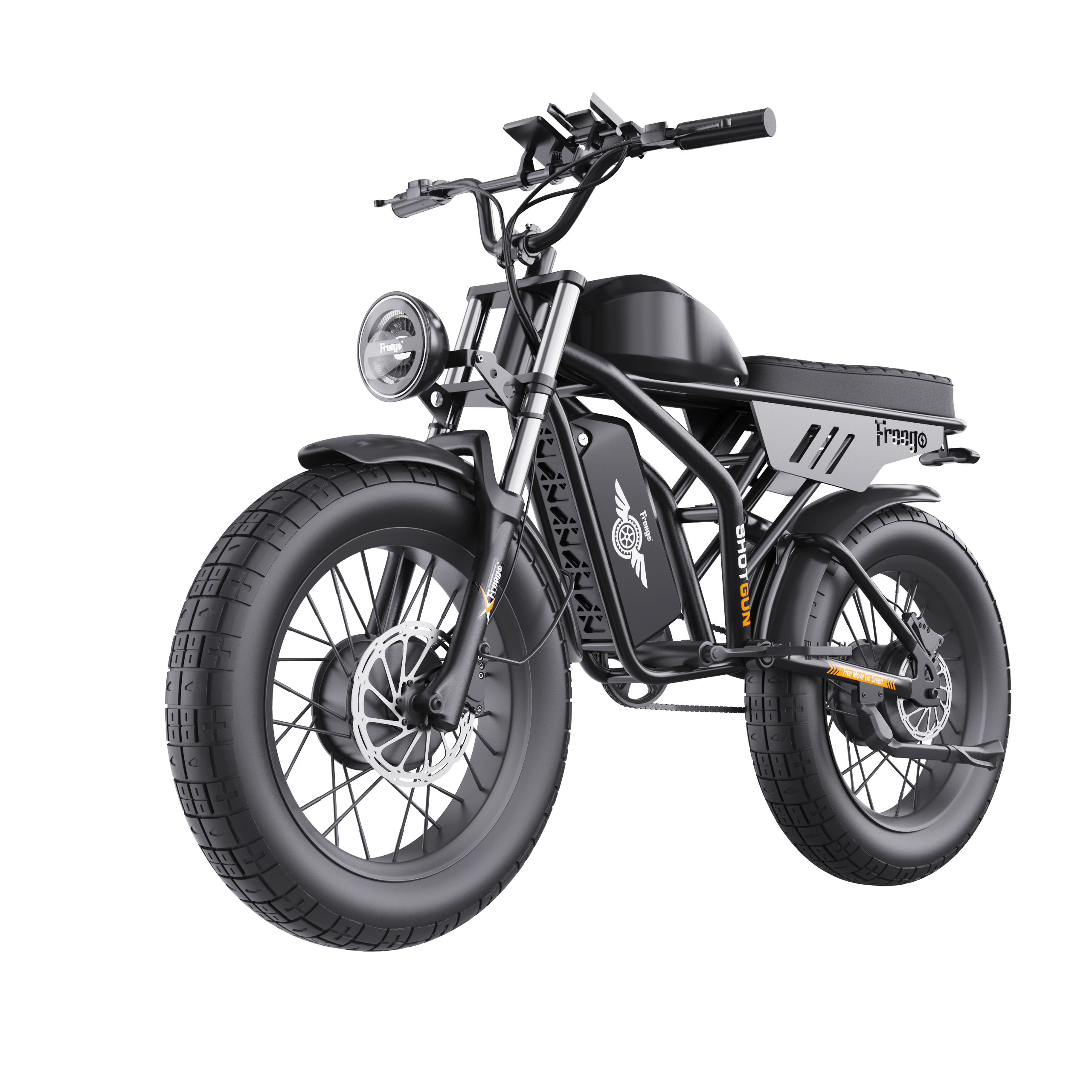
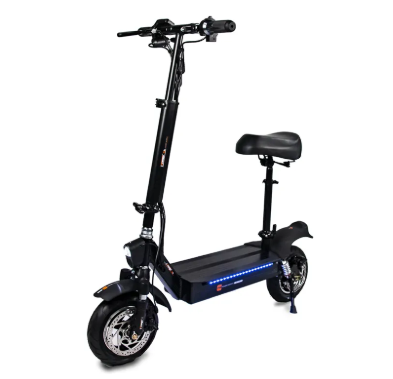
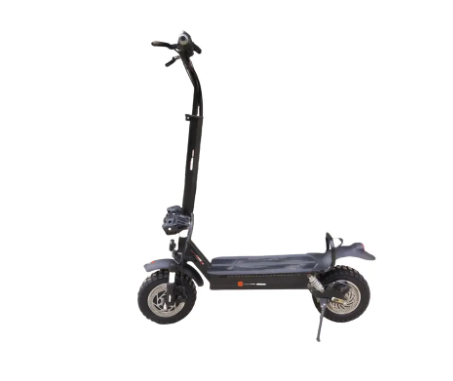
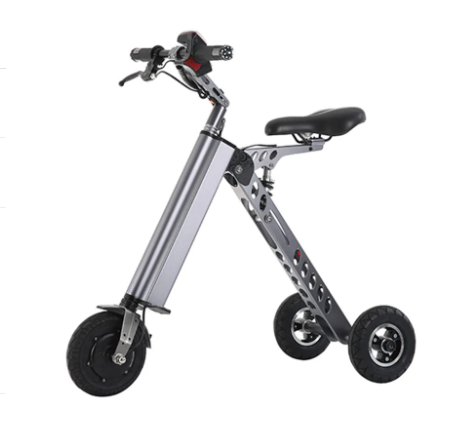
Successful Electric Scooter Product Development is a multidisciplinary endeavor that bridges innovation, engineering, and commercial strategy. It requires a systematic approach to navigate challenges ranging from technical feasibility and user safety to supply chain logistics and cost management. At UVI, we have refined this process into a clear, collaborative framework designed to de-risk each stage and maximize the potential for market success.
The journey initiates with the Conceptualization and Feasibility Phase. This critical first step transforms a market opportunity or brand vision into a actionable plan. We collaborate to define the product's core value proposition: Is it designed for maximum urban range, rugged durability for shared fleets, or premium design aesthetics? We then establish key parameters: performance targets (speed, range, gradeability), physical dimensions, weight goals, and target cost structure. A preliminary regulatory review (considering standards like UL 2272, EN 17128, or local vehicle classifications) is conducted to identify compliance pathways early, preventing costly redesigns.
This leads into the Design and Engineering Phase, the core of Electric Scooter Product Development. Here, ideas become detailed digital models and specifications.
-
Industrial & Mechanical Design: Our designers create the scooter's aesthetic identity, focusing on brand alignment and user appeal. Simultaneously, engineers develop the structural chassis, analyzing load paths and material selection (e.g., aluminum alloy vs. steel) using CAD and FEA software to ensure durability and safety.
-
Electrical Systems Architecture: We design the powertrain layout, selecting and integrating the motor, battery pack (with specific cell chemistry advice), Battery Management System (BMS), controller, and all wiring. Thermal management, waterproofing (target IP rating), and electromagnetic interference (EMI) suppression are key considerations.
-
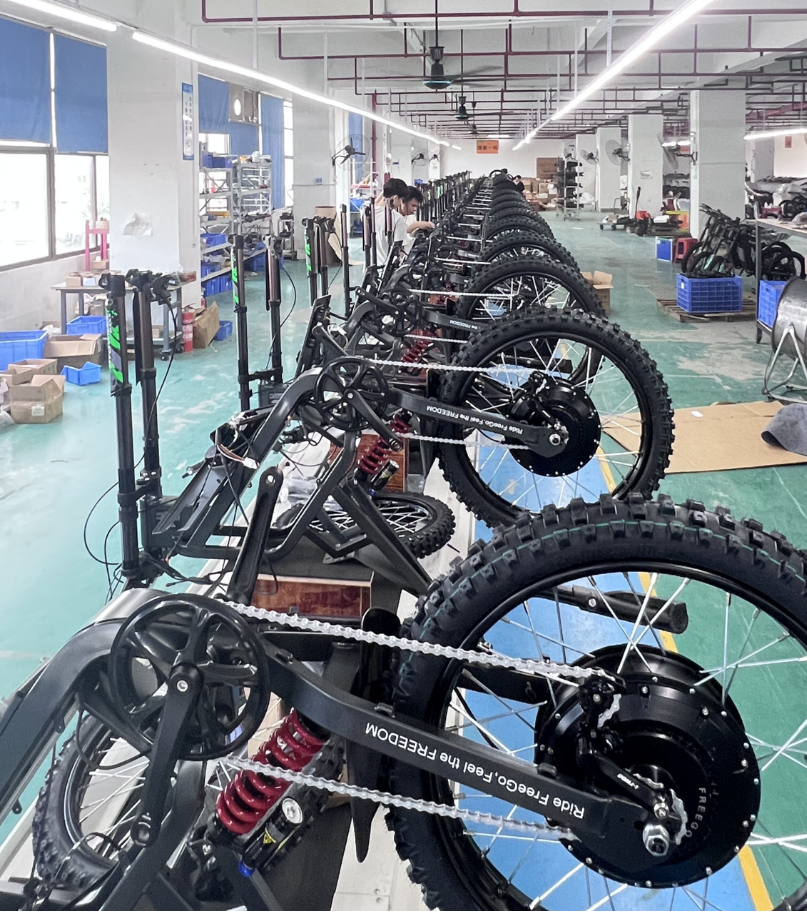
Design for Manufacturability (DFM): Crucially, we engineer every part for efficient production. This includes simplifying assembly, minimizing part count, and specifying tolerances that align with high-volume manufacturing capabilities. This DFM focus is what enables our rapid prototyping and ensures cost-effective mass production later.
The Prototyping, Testing, and Validation Phase brings the design to life. Leveraging our efficient setup, we produce a small batch of functional prototypes within our 4-week timeline. These units undergo rigorous in-house testing for performance, reliability, and safety. They are also used for essential field testing, focus groups, and certification sample submission. Feedback from this phase is meticulously integrated, allowing for iterative refinement of the design, components, and software before any production tooling is finalized.
Finally, the Production Ramp-Up and Handoff Phase ensures a seamless transition. We finalize all manufacturing documentation, including 2D engineering drawings, a complete Bill of Materials (BOM), and detailed assembly instructions. We oversee the creation of custom jigs and fixtures for the assembly line and conduct a pilot production run to validate the manufacturing process and quality control protocols. Our role is to deliver not just a design, but a fully realized product package ready for efficient, high-quality manufacturing, ensuring your vision is faithfully translated into every unit that rolls off the line. This comprehensive approach to Electric Scooter Product Development provides brands with a controlled, expert-led path from a concept to a market-ready, competitive, and profitable asset.