
 EN
EN
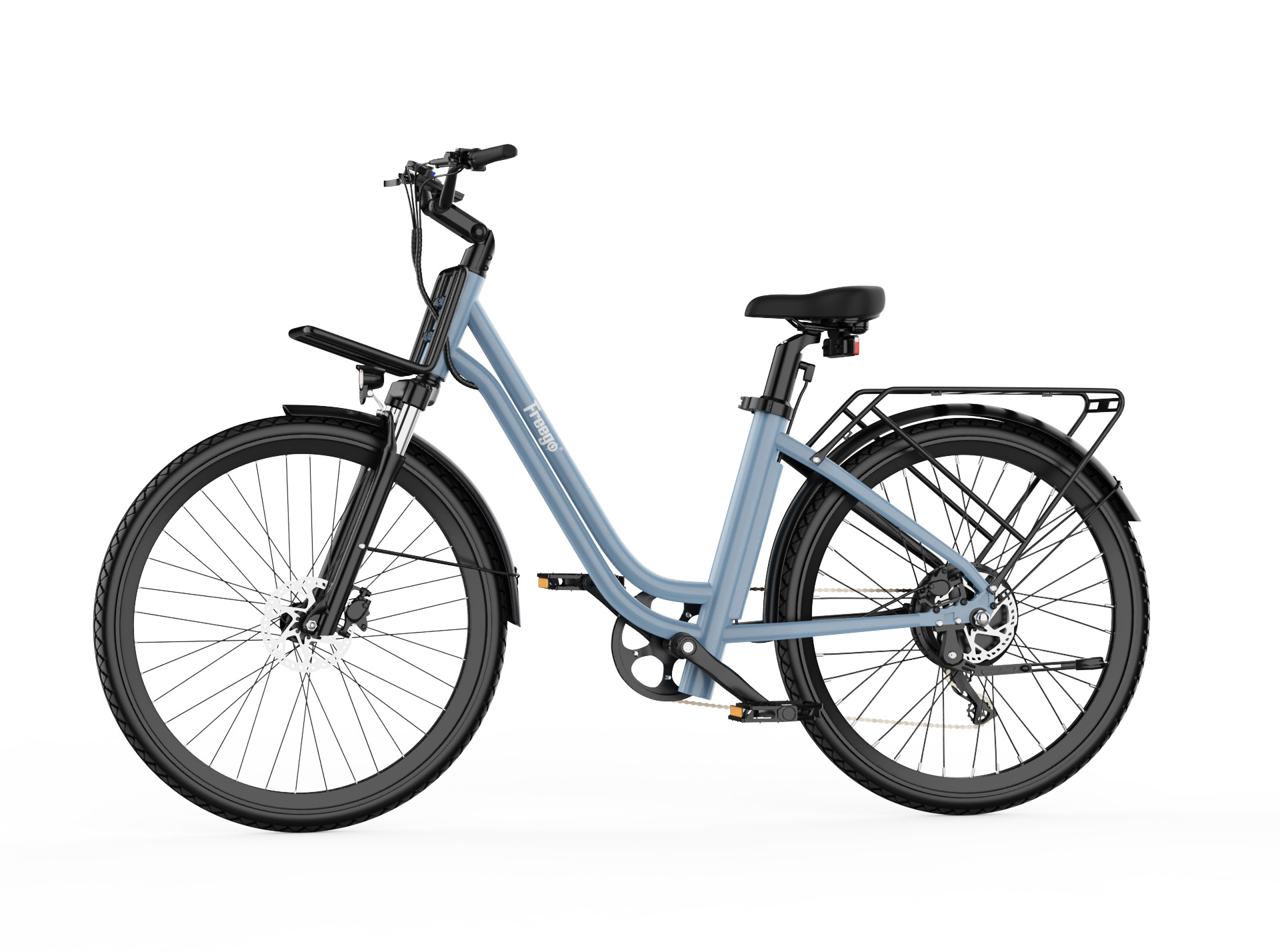
Electric Scooters and Last-Mile Mobility Integration
The Role of Electric Scooters in Last-Mile Connectivity
E scooters really tackle what people call the last mile problem pretty well. They fill the space between where public transport drops off and where someone actually needs to go, so folks don't have to drive those little trips under three kilometers anymore. A recent study from 2025 found that around one third of all commuters mix their rides with trains or buses, which saves them about twelve minutes each day on average. Cities that already have good bike paths tend to see better results from these scooters too. Take Singapore for instance where nearly 4 out of 10 riders depend on those green park connectors to get from subway stations straight into office buildings without breaking a sweat.
Integration with Multimodal Transport Systems and Public Transportation
Progressive cities are integrating e-scooters into transit apps, enabling real-time reservations near stations. Helsinki's initiative offering discounted rides for combined public transport and e-scooter use led to a 19% increase in off-peak ridership. This multimodal shift yields measurable benefits:
| Metric | Public Transport Users | E-Scooter Hybrid Users |
|---|---|---|
| Average trip duration | 42 minutes | 33 minutes |
| Weekly carbon savings | 2.1 kg COâ‚° | 3.8 kg COâ‚° |
Such integration enhances convenience and sustainability, encouraging broader public transport adoption.
Shared Micro-Mobility Trends Shaping Urban Transportation Integration
Shared e-scooter fleets expanded globally by 27% in 2023, with dockless systems leading in Asian and European markets. However, recent research highlights a paradox: while 61% of millennials express preference for micro-mobility, only 22% use them for first- or last-mile trips due to safety concerns.
Case Study: Paris and Berlin's Multimodal E-Scooter Adoption Models
The city of Paris saw an 18 percent drop in traffic jams once they started implementing geo fenced parking areas around 146 different metro stations throughout the city. Meanwhile over in Berlin, their Mobility Hubs initiative has been making waves too. By putting together scooters, bicycles, and shared cars right next to where people get on and off trains, they managed to increase public transportation ridership during slower times by about 14% just half a year later. What's interesting is both these European capitals have put limits on how fast vehicles can go near transportation hubs, setting maximum speeds at only 20 kilometers per hour. This helps keep pedestrians safe while allowing all modes of transport to work better together without constant conflicts between cars and walkers.
Reducing Urban Traffic Congestion with Electric Scooters
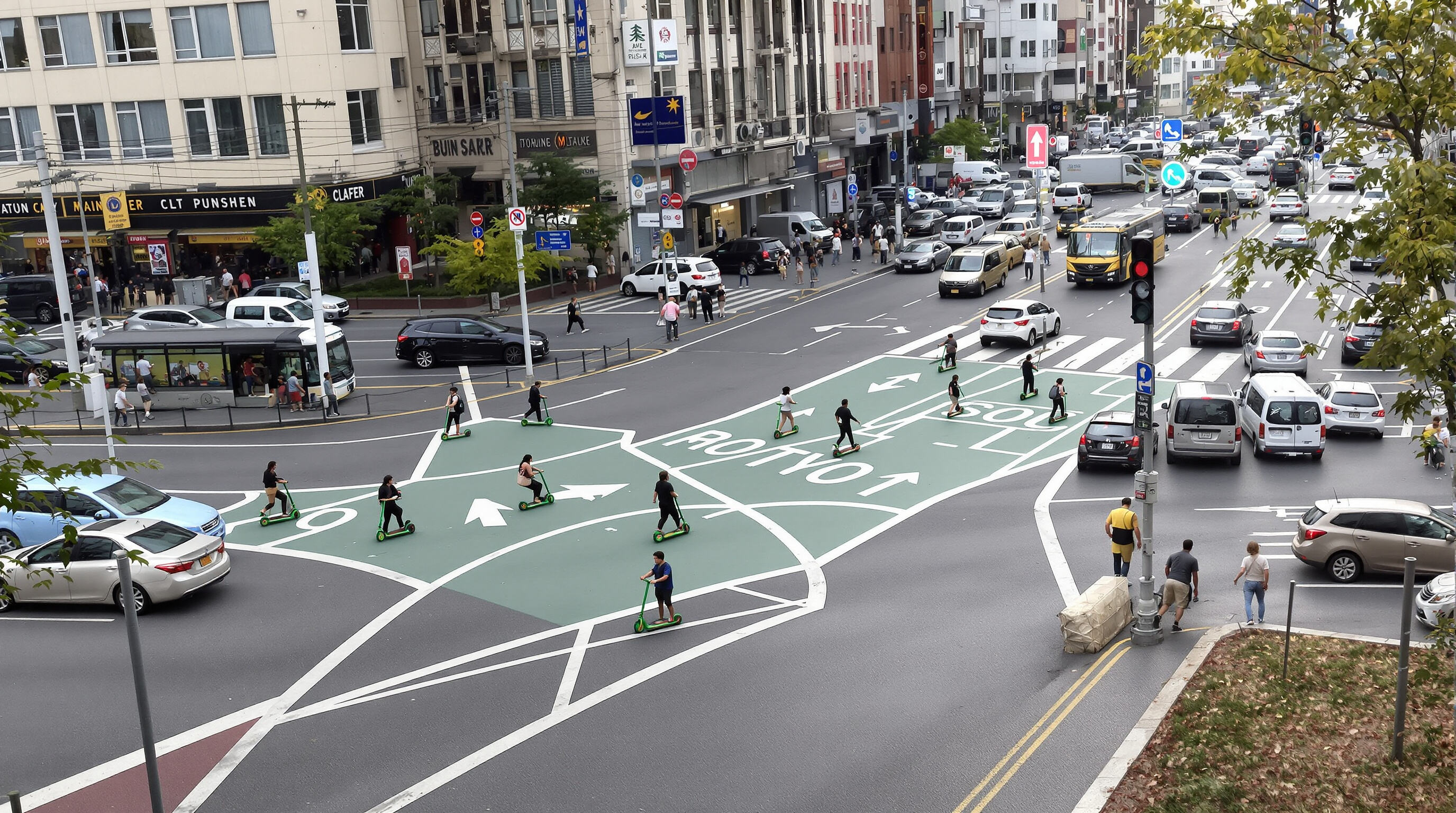
Evidence of E-Scooters Reducing Urban Traffic Congestion
Research from 2022 in Nature Energy shows that electric scooters cut down on city traffic jams by around 18% in places like Portland and San Francisco because people stopped making those short car trips. In cities where folks can share these tiny mobility devices, downtown streets saw between 14 to 21 percent fewer cars during rush hour times. Why? Well, when someone grabs a scooter instead of driving, they're not taking up all that precious road real estate anymore. A single scooter only needs about 5% of what a regular car would take. Plus, these little machines actually move quicker through crowded areas than cars ever could.
Quantitative Analysis: E-Scooter Use and Vehicle Kilometers Traveled (VKT) Reduction
Replacing car trips with e-scooters directly reduces VKT, a critical metric for congestion management. In central business districts, e-scooters cut VKT by 12â––20%, depending on trip density. For example:
| Transport Mode | Avg. Trip Length (km) | Congestion Impact | VKT Reduction Potential |
|---|---|---|---|
| Private Car | 4.8 | High | Baseline |
| Bus | 5.2 | Moderate | 6â––8% |
| E-Scooter | 2.1 | Low | 15â––20% |
Short-distance trips make up 34% of urban trafficâ—a segment where e-scooters excel, reducing emissions per kilometer by 90% compared to gas-powered vehicles (Georgia Tech 2022).
Comparison with Other Urban Mobility Solutions in Congestion Mitigation
Public transportation works well for getting across town, and rideshares handle those longer journeys too. But when it comes to that final stretch from parking lot to front door, electric scooters really shine. They help people avoid driving altogether for short distances. Bikes can do something similar, though they struggle in places with steep hills or spread out neighborhoods where folks live far apart. Take San Francisco for instance, cycling there isn't always practical because of all those inclines. Ridesharing options such as UberPool claim to cut vehicle kilometers traveled somewhere around 4 to 7 percent, but their route planning tends to focus on what's fastest rather than what helps traffic most. Scooter riders don't have to worry about being rerouted through backstreets or waiting forever at intersections. For anyone traveling less than two kilometers, studies show these little electric machines save about twice as much time compared to other alternatives.
Urban Infrastructure Evolution for Electric Scooter Adoption
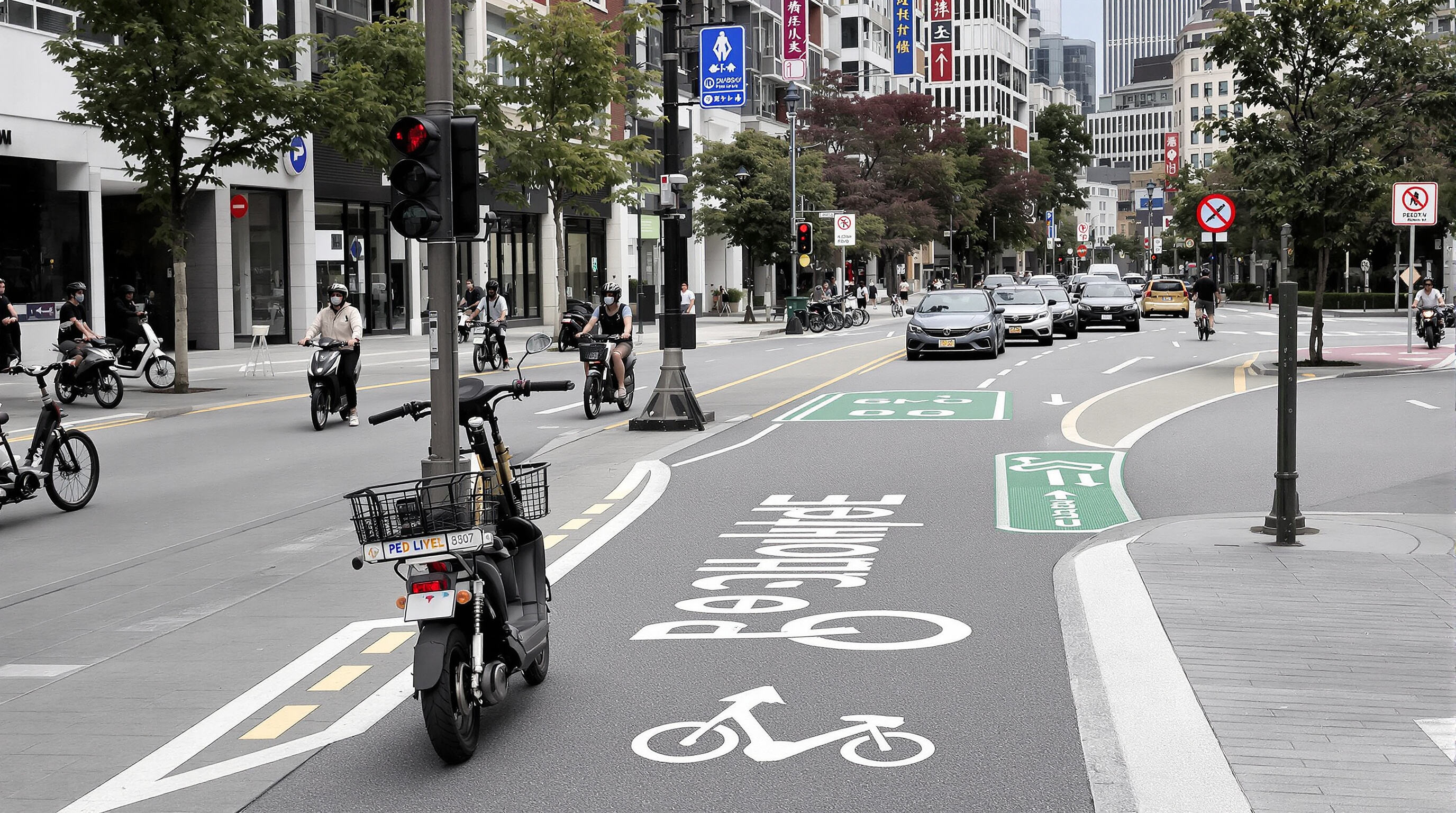
Expanding Bike Lanes and Shared Pathways for E-Scooters
Many cities have started changing their bike infrastructure to make room for electric scooters, with about 12 percent of regular bike lanes now serving as shared paths since around 2022 according to the Urban Mobility Index data. These combined lanes reduce clashes between people on bikes and those riding scooters, plus they seem to make things safer overall. Take Vienna for instance where accident rates from scooters dropped by 22% after expanding these shared routes. Still there's a problem with how strictly speed limits are enforced in areas where both types of traffic mix together. Most places set maximum speeds at around 25 kilometers per hour but this rule doesn't always get followed properly across different neighborhoods.
Designated Parking and Riding Areas in High-Density Cities
In many busy city areas, around 8 to 15 percent of street curb space is being used for parking all those tiny mobility devices these days. Take Milan for example - their test program back in 2023 managed to cut down on sidewalk mess by almost a third. Cities are using something called geofencing technology to steer riders toward proper parking spots, but let's face it, people don't always follow the rules. Only about six out of ten folks actually stick to designated areas when there aren't fines involved according to research from the Global Transport Journal last year. Meanwhile, special lanes set aside for scooters right next to train stations have made getting to and from public transport much easier for commuters. We're seeing roughly a 19% improvement in connecting trips at either end of journeys in places like Berlin and Seoul where this infrastructure exists.
Zoning Policies and E-Scooter Infrastructure Needs
Municipalities are adopting three-tier zoning systems:
- Red zones: Full bans in historic districts and crowded squares
- Amber zones: Speed-restricted areas near schools and hospitals
- Green zones: Priority corridors equipped with charging stations
Madrid's adaptive zoning cut pedestrian complaints by 41% within 18 months, although nighttime enforcement remains inconsistent.
Controversy Analysis: Conflicts Between Footpath Use and Pedestrian Safety
Even after cities have upgraded their infrastructure, nearly half (about 53%) of people walking around town report feeling less safe since those electric scooters hit the streets according to the EU Urban Survey from last year. Cities that let riders take their scooters on sidewalks saw a jump in accidents too - up 28% annually. That's why places like Paris and Melbourne just said no to sidewalk riding altogether. When they create separate paths for walkers and scooterists, keeping them at least 2.5 meters apart seems to cut down on conflicts by almost three quarters. The problem? Making these changes requires completely overhauling existing streets, which most municipalities aren't exactly rushing to do.
Safety Challenges and Risk Mitigation for Urban E-Scooter Users
Common Safety Concerns Related to E-Scooters in Cities
People who ride e-scooters run into all sorts of problems especially in crowded city areas. New riders tend to get caught off guard when it comes to stopping distance, and those little 8.5 inch wheels just can't handle the bumps and cracks in most city streets very well. The numbers tell a story too - around 40 percent of crashes happen when someone tries to ride along sidewalks packed with pedestrians, based on what researchers found in their 2022 look at small mobility vehicles. Things get even worse at night time because most rental scooters don't have great lights, and plenty of riders end up looking down at their phones instead of watching where they're going. This combination makes for some pretty dangerous situations after dark.
Data on E-Scooter Accidents and Injury Rates in Urban Settings
Looking at hospital records from across Europe in 2023 reveals something interesting about e-scooter accidents. About a quarter (27%) of these crashes result in head injuries, which is almost double what we see with cyclists at just 12%, even though scooters generally move around 30% slower than bikes. Research published through ScienceDirect into how different cities regulate these tiny vehicles suggests there's a clear pattern too. Places where wearing helmets is required tend to have about half as many serious injuries when someone gets hurt badly. And let's not forget pedestrians either. Nearly one out of every five incidents involves hitting someone walking, and most of those happen in neighborhoods without proper paths set aside specifically for things like scooters and similar transport options.
Strategies to Improve Safety in Urban Environments
Leading cities employ a three-pronged approach to safety:
- Infrastructure upgrades: Protected bike and scooter lanes reduced sidewalk collisions by 35% in Copenhagen's 2022 pilot
- Speed governance: Geofenced 15 km/h zones near transit hubs lowered accident severity by 28%
- Rider education: Mandatory in-app safety tutorials correlated with a 41% decrease in first-time user incidents
Emerging strategies include mandatory reflector standards and routing algorithms that guide riders away from high-risk intersections. These efforts align with evolving requirements for UL-certified brakes and suspension systems on shared fleets.
Regulatory Frameworks Governing Electric Scooter Use in Cities
Overview of e-scooter regulations in urban areas
Cities are implementing standardized rules to balance e-scooter access with public safety. A 2023 urban mobility study found that 78% of major cities enforce three core policies:
- Speed limits (15â––25 km/h) in pedestrian-dense zones
- Helmet requirements for riders under 18
- Geofenced no-ride areas near transit hubs
These frameworks typically mirror bicycle laws but must account for scooters' compact size and agility in congested spaces.
Variations in regulatory frameworks across major global cities
Cities around the world handle e-scooter regulations in completely different ways. Take Paris for instance they've basically limited these things to bike lanes only and even have those fancy systems that automatically slow them down when approaching famous spots. Over in Berlin though, people can actually ride on sidewalks as long as they stay under 12 km/h. The situation gets even more interesting across the pond where 14 American cities now make riders complete online tests before getting licensed to operate their scooters. And then there's Seoul in Asia where authorities have gone all out banning any privately owned scooters from walking areas altogether, something that has caused quite a stir among locals who rely on this mode of transport.
Enforcement challenges and compliance trends
Two key issues hinder regulation effectiveness:
- Parking violations â– Barcelona's 2024 mobility audit found that 23% of shared scooters are improperly parked daily
- Sidewalk speeding â– 41% of riders exceed speed limits when sensors detect pedestrian presence
To improve compliance, cities are testing AI-powered sidewalk monitoring and fining operators $15â–$50 per misparked unit.
Industry Paradox: Balancing innovation with public safety regulations
The battle between manufacturers and regulators gets pretty intense when it comes to speed limits on electric scooters. Brussels has set a hard cap at just 16 km/h, but most people out there want something that can actually get them places faster than walking, preferably over 30 km/h. A recent EU poll from 2024 showed interesting numbers too: around 8 out of 10 people wanted better brakes and brighter reflectors on these devices, which suggests folks really care about staying safe while riding around town. What we're seeing here is a classic case where policy makers need to catch up with what's happening in the real world. They have to find ways to keep cities safe without stifling technological progress completely. After all, nobody wants to see accidents rise just because regulations haven't kept pace with what people actually use every day.
FAQs
What is the "last mile problem" for commuters?
The "last mile problem" refers to the challenge commuters face in traveling the final stretch from a public transportation drop-off point to their actual destination. E-scooters effectively bridge this gap, reducing the need for car trips for short distances.
How are cities integrating e-scooters into public transportation systems?
Cities are incorporating e-scooters into transit apps that allow real-time reservations and offering discounts for combined use of public transport and e-scooters. Such integration aims to increase convenience and encourage broader public transport use.
What safety concerns are associated with e-scooters in urban areas?
Safety concerns include accidents due to inadequate stopping distances, challenges with small scooter wheels on uneven terrain, and poor lighting for nighttime travel. Sidewalk use and pedestrian interactions also contribute to accident risks.
How are regulatory frameworks addressing e-scooter safety?
Regulations include speed limits in pedestrian-heavy areas, helmet requirements, and geofenced no-ride zones. These rules aim to balance e-scooter accessibility with public safety, reflecting bicycle laws but tailored to scooter-specific needs.
What infrastructure changes are needed to accommodate e-scooters?
Necessary changes include expanding bike lanes to shared paths, creating designated parking and riding areas, and implementing zoning systems that manage e-scooter flow while maintaining safety for pedestrians and other road users.
Table of Contents
- Electric Scooters and Last-Mile Mobility Integration
- Reducing Urban Traffic Congestion with Electric Scooters
- Urban Infrastructure Evolution for Electric Scooter Adoption
- Safety Challenges and Risk Mitigation for Urban E-Scooter Users
- Regulatory Frameworks Governing Electric Scooter Use in Cities
-
FAQs
- What is the "last mile problem" for commuters?
- How are cities integrating e-scooters into public transportation systems?
- What safety concerns are associated with e-scooters in urban areas?
- How are regulatory frameworks addressing e-scooter safety?
- What infrastructure changes are needed to accommodate e-scooters?