
 EN
EN
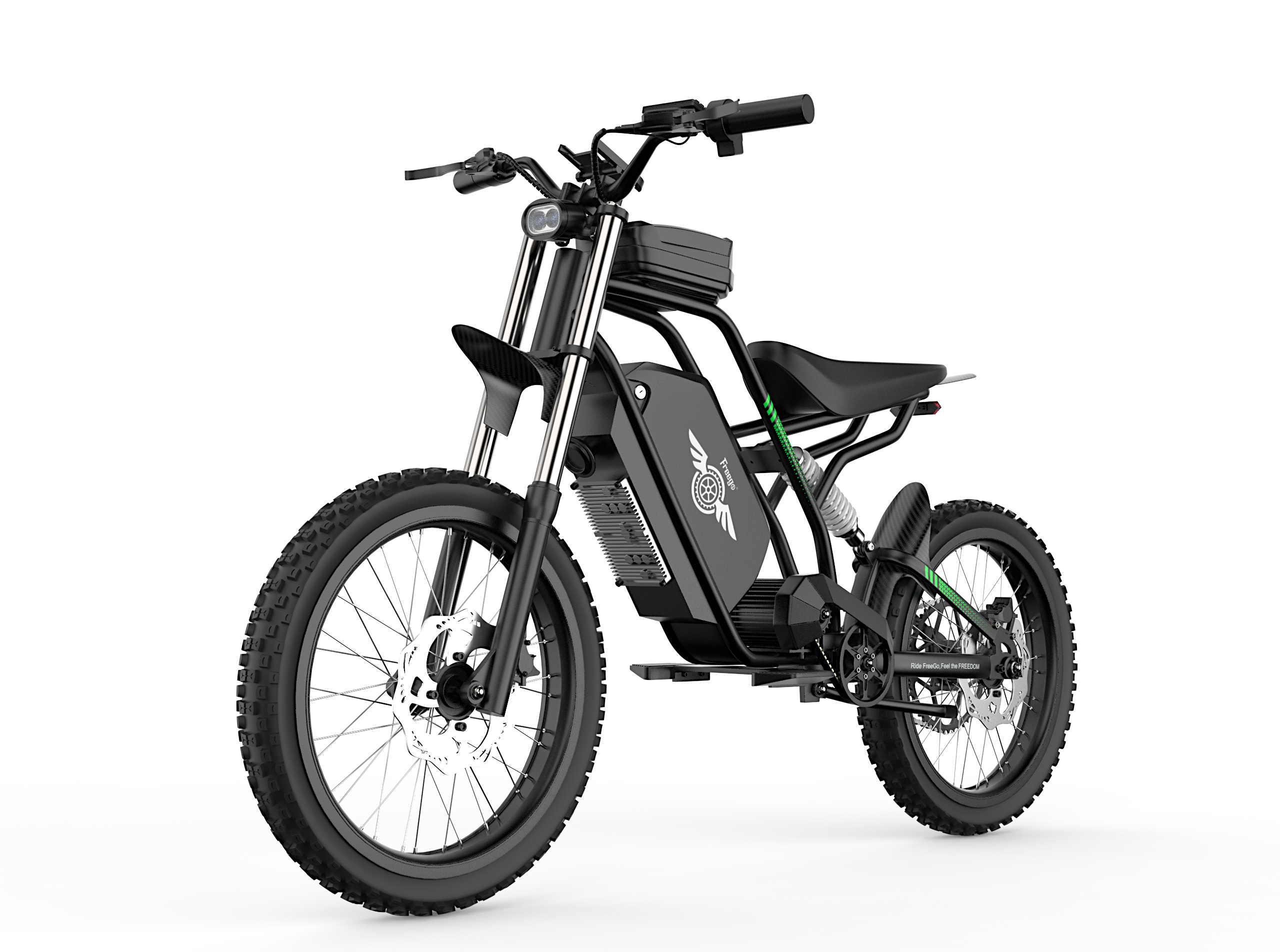
E Bike Market Growth and Brand Differentiation Opportunities
Increase in e-bike adoption driven by urbanization and environmental awareness
Global e-bike sales are expected to jump from around $55 billion in 2024 all the way to nearly $110 billion by 2035 according to Market Business Insights data from last year. The main drivers behind this growth? Cities getting increasingly crowded and people wanting greener ways to get around. Most folks who recently started riding electric bikes say cutting down on carbon emissions was what got them interested first. Take Paris and Tokyo for instance these big cities saw about 40 percent fewer short car journeys once they rolled out special programs encouraging e-bike use. For companies selling these bikes, there's a real opportunity here not just to tell stories about being eco friendly but actually help fix some serious transportation problems facing modern urban areas.
Market trends influencing growth: Shared e-bike services and micro-mobility integration
The number of shared e-bike programs has gone up three times since 2021, and these micro-mobility services now handle around a quarter of all those short trips people make at the end of their commute in big cities. A recent market study from Persistence Research shows something interesting too: when public transport cards work with e-bike rental systems, companies see almost double the number of regular users sticking around. For bike makers, this means getting right into the hands of city workers who are willing to pay nearly 20% extra for monthly passes compared to folks just trying it out once or twice. Urban professionals represent a goldmine for these businesses because they're looking for convenience and reliability in their daily travel routines.
How rising consumer expectations in the e-bike market shape brand strategies
Most customers these days really care about modular battery systems, which around 8 out of 10 prefer, along with those 3 year performance guarantees that matter to nearly everyone. Brands at the top of their game have started using smart tech solutions powered by artificial intelligence to speed things up in production by about a third. This lets them create custom setups for people who ride to work, haul stuff around town, or just enjoy weekend adventures, all while keeping prices stable. Companies that offer frames resistant to rust and longer warranty periods tend to keep their customers coming back too. The numbers show something interesting here - brands that respond well to customer needs actually see about 35 percent more loyalty compared to what's typical across the industry.
Technological Innovations in E Bikes Enhancing User Experience
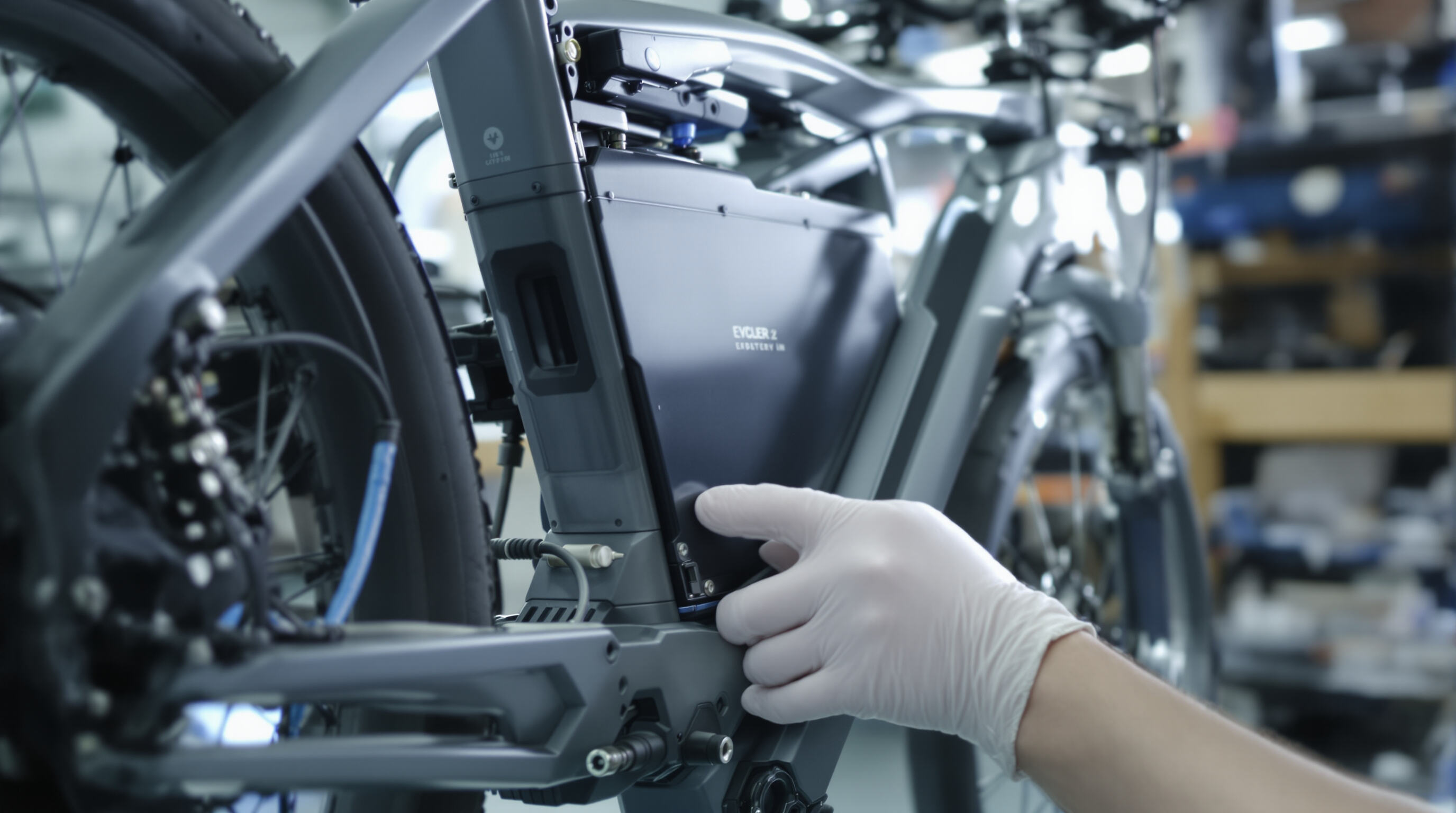
Advancements in battery and motor technology improving performance and reliability
E-bike batteries now deliver 30% greater energy density compared to 2020 models, supporting ranges beyond 80 miles per charge. Paired with brushless motors, these systems provide smoother torque and lower mechanical wear. Enhanced thermal regulation in lithium-ion packs has reduced overheating risks by 40%, addressing a major concern around long-term reliability and safety.
Lightweight and foldable e-bike trends meeting urban professionals’ needs
Aluminum-magnesium alloy frames make up 62% of premium urban models, reducing weight to under 35 lbs while maintaining durability. Folding mechanisms have evolved into single-action designs, allowing commuters to transition from riding to public transit in under five seconds—meeting the needs of 89% of urban professionals who rely on multimodal transportation.
Smart features and responsive design: How connectivity makes e-bikes more intuitive
These days, IoT sensors are making it possible for bikes to send maintenance warnings before something breaks down, plus they switch between different riding modes automatically. The accelerometers inside these systems can sense when the road gets rough and flip from eco mode to sport mode without rider input. Meanwhile, some handlebars come equipped with vibrating alerts that let riders know if they start drifting out of their lane, combining safety features with all this connected tech stuff. According to a report coming out in 2024, around three quarters of cyclists would rather use apps built into their bikes than deal with mounting phones on handlebars. This tells us folks really want their gadgets to work together smoothly without constant fiddling.
Balancing innovation costs with mass-market affordability
Companies have been slashing their research and development expenses lately by using the same parts across different products, which has actually cut manufacturing costs down around 22% since early last year. We're seeing something interesting happening too - cheaper versions of cars are starting to include technology from older mid-range models. This means things like energyő recovery braking systems (that's when the car charges itself while slowing down) are becoming available to people who might not have considered them before. And let's talk about batteries for a moment. More than one fifth of city-based delivery services are opting for battery rental schemes these days. The math works out better for them because they don't need to pay the full price upfront, plus it makes keeping their vehicles performing well much simpler when time comes for an upgrade.
Connected E Bikes and Data-Driven Brand-Cyclist Engagement
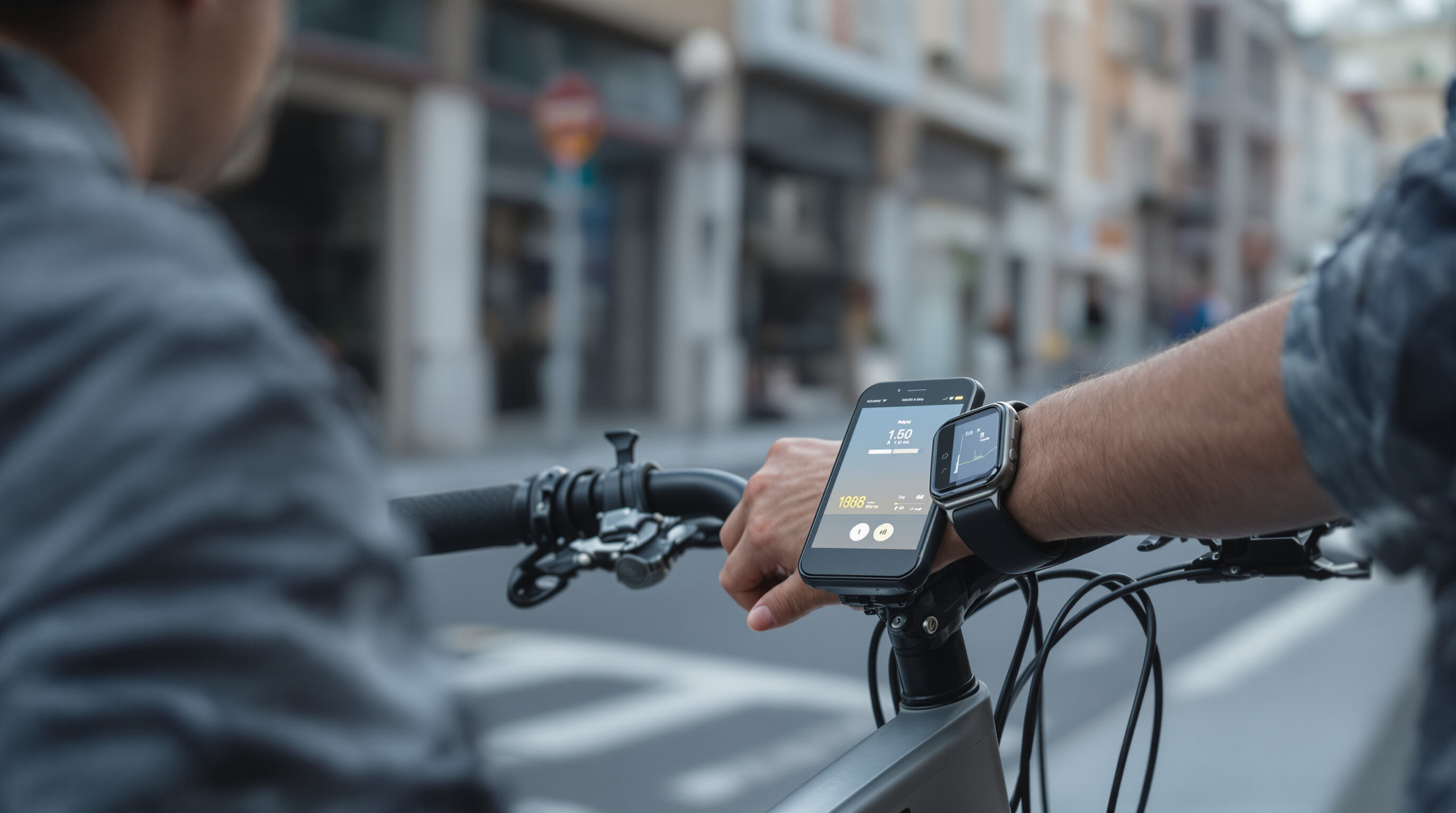
Electric Bikes as Platforms for Digital Brand Interaction
Today's electric bikes are becoming much more than just transportation devices they're essentially portable tech platforms that combine getting around with digital stuff. According to MarketDataForecast from last year, about 55% of people who ride these bikes really care about being connected during their rides, looking for things like live maps and performance stats. This opens doors for companies to put extra features right on the bike itself. Most models come with built-in screens where riders can see how many calories they burned or distance covered. Some manufacturers even develop custom apps that notify owners when their bike needs servicing or offer special deals based on riding habits making every trip a chance for continued contact between rider and brand.
IoT and App Integration Strengthening Real-Time Brand-Cyclist Engagement
Advanced IoT sensors enable two-way communication between riders and brands, supporting anti-theft alerts and adaptive tuning based on individual riding patterns. A 2025 study by EIT Urban Mobility found that brands using data-driven engagement platforms achieved 35% higher user retention through ride-based loyalty rewards and community challenges.
| Feature | Traditional E-Bike | Connected E-Bike |
|---|---|---|
| User Interaction | Static (manual controls) | Dynamic (app-based customization) |
| Data Collection | Limited (speed/distance) | Comprehensive (GPS, cadence, battery health) |
| Brand Value | Single purchase | Recurring service revenue |
Using Ride Data for Personalized Experiences and Predictive Service Offerings
Aggregated ride data allows brands to anticipate needs—offering battery replacement subscriptions before performance declines or suggesting optimized routes based on historical behavior. The Spinovate Project demonstrated that AI analysis of 15 million rides reduced maintenance costs by 22% and increased rider satisfaction by 18% through timely, predictive servicing.
Case Study: Industry Leaders Using Connectivity to Power Loyalty Programs
Manufacturers at the top of their game are now connecting app accomplishments to real world perks. For instance, hitting certain carbon offset goals can get customers discounts on accessories or faster service times. A company based in Europe saw accessory sales jump around 40 percent when they introduced their Ride-to-Earn program. Cyclists rack up points through this system which can be spent at various retail partners. The whole setup creates stronger connections between brands and customers while also making each customer worth more over time to the business.
Future Outlook: E Bike Industry Trends Shaping Competitive Landscapes
Urban Micro-Mobility Expansion and Its Impact on Brand Positioning
More cities are getting serious about micro mobility these days. We're seeing e bike lanes pop up everywhere alongside regular bike paths, and charging stations are starting to show up in places like shopping centers and apartment complexes. Experts predict that somewhere around two thirds of big cities will have e bikes connected to their public transport systems by mid decade. This trend creates opportunities for companies to team up with local governments on various projects. Bike manufacturers are responding by making their products better suited for sharing programs. Many now come with removable batteries that can be swapped out quickly and frames built to withstand all kinds of weather conditions. When cities put out contracts for new bike fleets, they're looking beyond just how much something costs upfront. These days, what matters most is whether the bikes will last through years of constant use without breaking down constantly. That's why durable brands that work well across different types of bikes tend to win those contracts more often than cheaper alternatives.
Accelerated Product Cycles and Intensifying Market Competition
The time it takes to develop products has gotten a lot shorter lately, down around 40% since 2020 actually. Now major brands are putting out fresh models roughly every 8 to 12 months these days. A big part of this speed comes from improvements in frame materials like magnesium alloys that weigh about 30% less than regular aluminum, plus better regenerative braking tech making cars more efficient. Smaller manufacturers often rely on open source controller software and standard battery packs just to keep up. Meanwhile, the big names spend somewhere around $2.3 billion each year developing their own special smart connectivity features through patent work, which helps them stand apart from the competition in a crowded market.
Predictions: Consolidation, Strategic Partnerships, and Ecosystem Platforms
Three transformative shifts will redefine the industry by 2030:
- Vertical Integration: Battery producers acquiring e-bike brands to secure lithium supply chains
- Mobility-as-a-Service Alliances: E-bike makers teaming up with ride-hailing platforms to dominate last-mile delivery
- API-First Platforms: Open software architectures enabling third-party developers to build app-based accessories and services
With the global market projected to reach $161.8 billion by 2034, brands that build comprehensive ecosystems—not just standalone vehicles—will capture 73% of the premium segment.
FAQs
What is driving the growth of the e-bike market?
The growth is mainly driven by increasing urbanization and environmental awareness, as well as technological advancements and micro-mobility integration.
How are brands differentiating themselves in the e-bike market?
Brands are focusing on modular battery systems, smart tech solutions, and enhanced customer experiences to distinguish their products.
What technological innovations are enhancing e-bike user experience?
Key innovations include advancements in battery and motor technology, lightweight foldable designs, and smart connectivity features.
How are connected e-bikes engaging with brands?
Connected e-bikes are facilitating digital brand interaction through IoT sensors, app integrations, and data-driven engagement platforms.
What future trends are expected in the e-bike industry?
The industry is expected to see trends such as urban micro-mobility expansion, accelerated product cycles, and strategic partnerships.
Table of Contents
- E Bike Market Growth and Brand Differentiation Opportunities
-
Technological Innovations in E Bikes Enhancing User Experience
- Advancements in battery and motor technology improving performance and reliability
- Lightweight and foldable e-bike trends meeting urban professionals’ needs
- Smart features and responsive design: How connectivity makes e-bikes more intuitive
- Balancing innovation costs with mass-market affordability
- Connected E Bikes and Data-Driven Brand-Cyclist Engagement
- Future Outlook: E Bike Industry Trends Shaping Competitive Landscapes
- FAQs