
 EN
EN
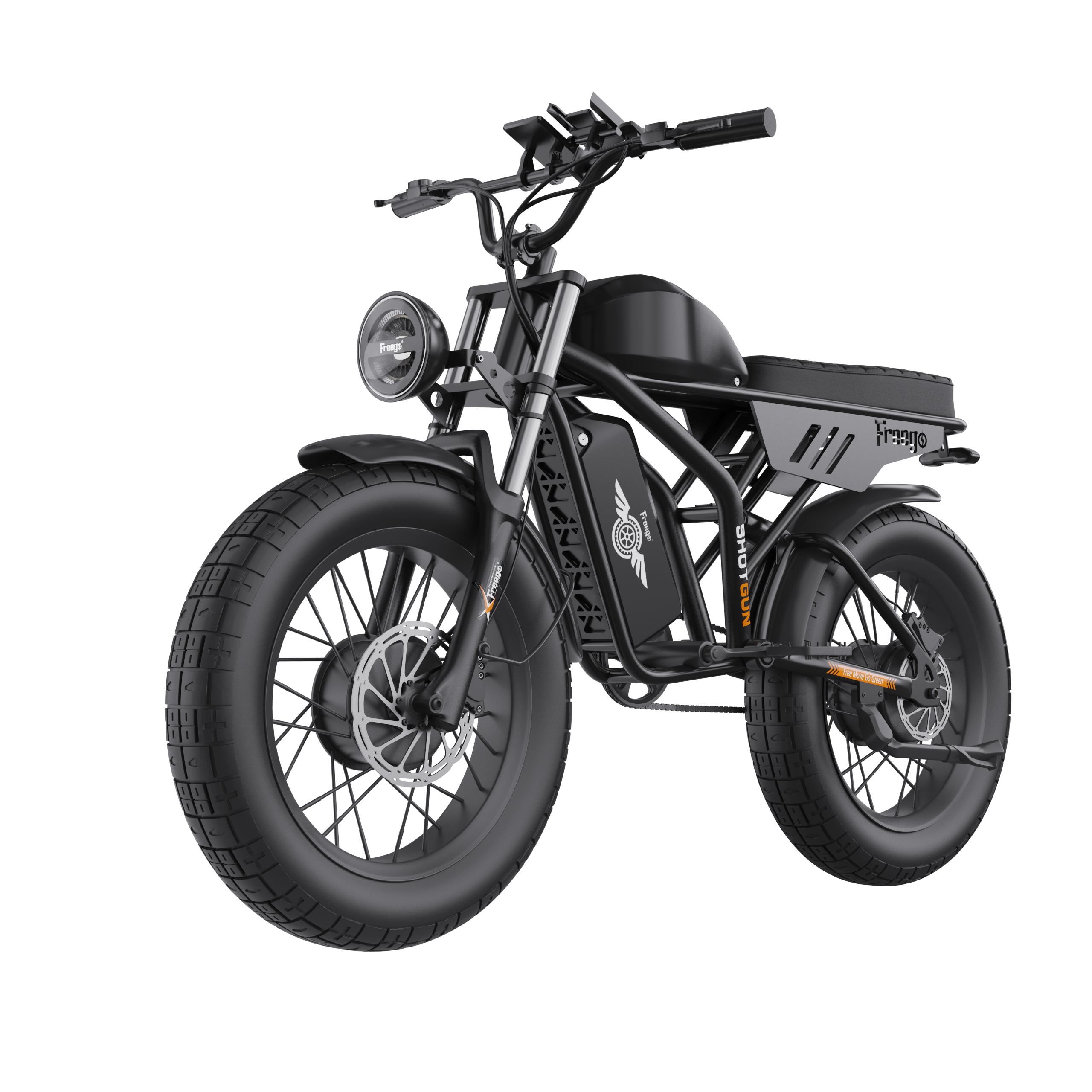
The Technology Behind Dual Motor Electric Bikes and Market Positioning
How Dual Motor Ebike Technology Enhances Performance and Innovation
Electric bikes with dual motor systems really change how they perform because these motors send power to both wheels at the same time. According to recent research from the eBike Industry Report 2024, this setup can create anywhere between 20 to 35 percent more torque compared to regular single motor bikes. What does this mean for riders? Better grip when going up hills or riding on gravel paths, all while still being efficient thanks to smart weight balancing across the wheels. Top brands are getting creative with their tech too. They've started incorporating clever software that tweaks how much power goes to each wheel as conditions change. Riders get something pretty special out of this technology a kind of responsive ride quality that used to only be available in those expensive electric cars costing tens of thousands of dollars.
Electric Bike Market Trends: Demand for Advanced Drivetrains and Brand Differentiation
Market forecasts suggest the worldwide e-bike industry could hit around 124.6 billion dollars by 2035 thanks to growing interest in top tier performance bikes. People living in cities and those who ride off road trails are starting to care more about certain features these days. They want motors that kick in almost instantly from zero to twenty miles per hour within four seconds flat, batteries that last at least sixty miles even when pushing harder than usual, and gears that shift smoothly without any hiccups while riding uphill. For bikes priced above four thousand bucks, companies that offer two motor setups tend to sell better than others, grabbing somewhere between 18 and 22 percent extra market space compared to competitors. This shows what customers really want nowadays is something truly innovative and ahead of the curve.
Using Motor Systems as a Cornerstone for Premium Brand Positioning
The way motors are integrated into bikes isn't just about making them work anymore. For many brands today, it's actually what makes their products stand out in the marketplace. Companies are developing their own special power management software, creating really compact motor designs that don't mess with how the bike handles naturally, and achieving almost silent operation levels under 55 decibels. These features let manufacturers show off their engineering chops. According to recent market research, around three quarters of people buying high end electric mountain bikes mention motor design as one of their main reasons for purchase. That means motor systems aren't just parts anymore. They've become essential elements that separate one brand from another, turning something technical into a major selling point for consumers looking at these advanced bicycles.
Performance Benefits of Dual Motor vs Single Motor Electric Bikes
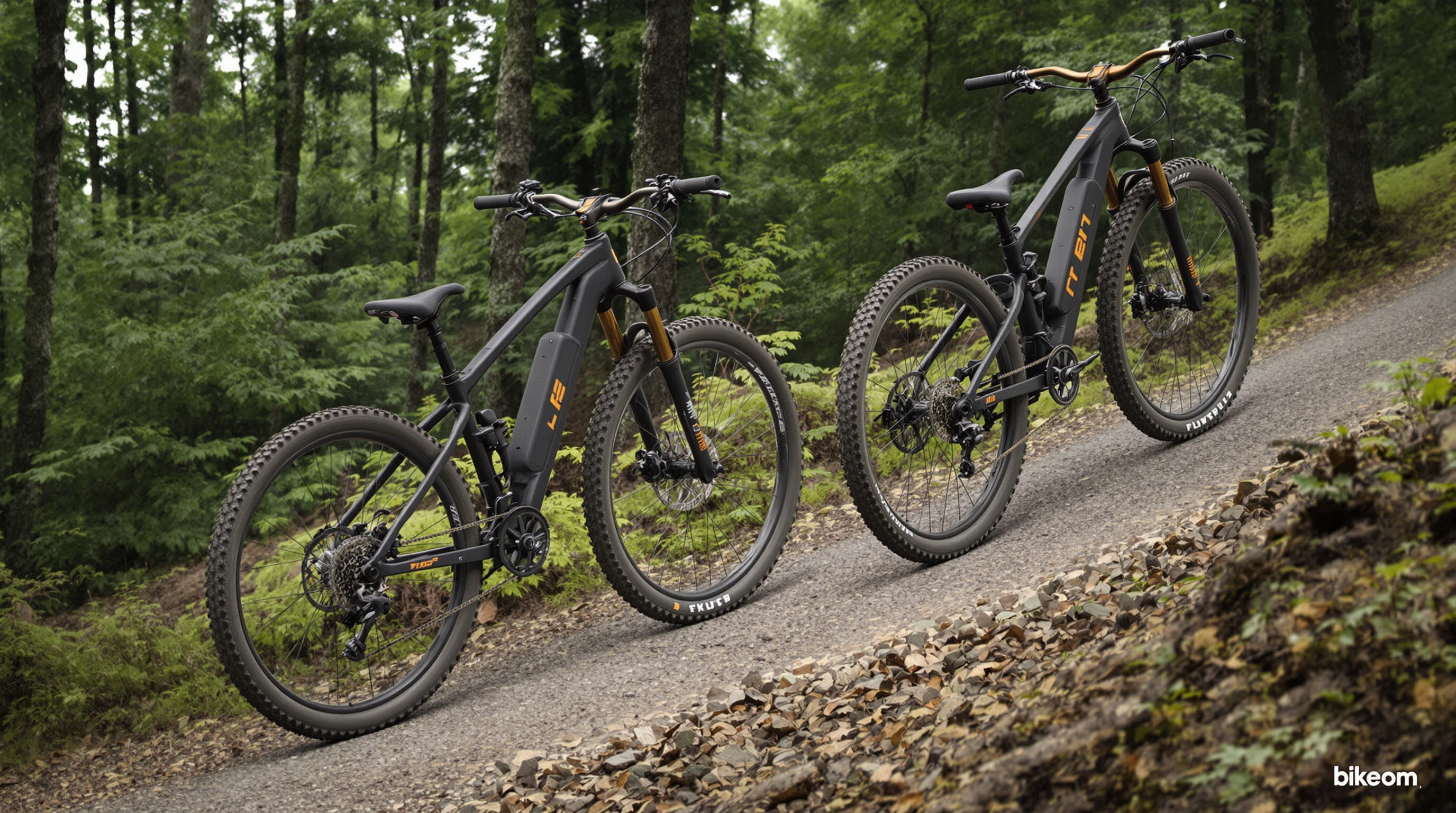
Power, Acceleration, and Control: Key Advantages of Dual Motor Systems
E-bikes with two motors can give riders around 30% extra torque compared to those with just one motor according to research from eBike Systems Lab back in 2023. This means they accelerate quicker and handle hills much better. The separate controls for front and rear motors let riders manage grip more effectively, so wheels don't slip as much when riding over rough terrain or wet pavement. Single motor bikes tend to be cheaper options, but dual motor setups really shine in tough situations. Think about climbing those steep mountain trails at the start of a ride path, or trying to stop suddenly in city traffic where every second counts. When power needs to respond instantly, these dual systems make all the difference between feeling confident and questioning whether the bike will actually get through.
Real-World Trail Performance: Torque, Efficiency, and Handling on Technical Terrain
Testing out these dual motor e-MTBs reveals they climb those steep gravel hills over 12% grade about 15 to maybe even 20 percent quicker than regular bikes. That's because the system intelligently distributes power so the motors don't get too hot when going up long slopes. What makes these machines special is their split torque setup which takes pressure off the chain by spreading the workload between both motors. This actually saves around 8% in energy usage compared to single motor models facing the same trails. Mountain bikers who've tried them notice something else too - their control improves noticeably, roughly 25% better according to many reports, especially when navigating tight switchbacks or tricky rock sections. The bike constantly tweaks how much power goes to front versus rear wheels based on what the terrain demands at any given moment.
Are Dual Motors Overpowered or Essential for High-End e-MTBs?
Most beginners who stick to smooth pavement find single motor bikes plenty good enough for their needs. But when it comes to those fancy electric mountain bikes, dual motor setups actually tackle that whole torque versus efficiency problem pretty well. These systems can hit around 750 watts of power while still managing to keep that sweet spot of about 45 miles per charge that riders typically expect from higher end models. Looking at what's happening in the industry right now, trail conditions are getting tougher and tougher. The numbers back this up too - nearly three quarters of bike makers see dual drive systems as must haves for their top of the line products these days. Industry reports from 2023 show this clearly, pointing to a clear movement where advanced drivetrain tech is becoming standard equipment rather than something special on premium mountain bikes.
Dual Motor Systems as a Strategic Tool for Brand Differentiation
Leveraging e-drive innovation to build competitive advantage
Dual motor setups offer real performance improvements that tech-savvy riders notice right away. We're talking about things like getting up hills 12 percent quicker and better battery life overall. Companies are now adding features like adaptive torque control along with smart algorithms that respond to different terrains. This shows they care about solving actual problems faced by riders, especially when it comes to how efficiently bikes climb and manage heat during long rides. According to a recent McKinsey report from last year, businesses focusing on innovative drivetrains saw their growth rates jump almost four times compared to competitors stuck with standard parts. While this suggests there's definitely a connection between advanced motors and marketplace success, many factors still influence which companies ultimately come out ahead.
Customizable dual motor platforms and component integration for unique brand identity
When companies combine modular dual motor setups with their own special battery management software, they get to fine tune how their products perform for different kinds of users. The customization options include things like torque distribution settings - maybe 60% going to the front wheel and 40% to the rear for those who love hitting trails, or an even 50/50 split for city dwellers who need balanced handling. Brands also offer unique ride modes such as Alpine Climb for mountain adventures or Metro Sprint for quick urban commutes, each one changing how the motors actually work. Telemetry systems built into these bikes connect directly with smartphone apps so riders can track their performance data and adjust settings on the fly. This creates really personalized riding experiences that keep customers coming back. According to recent market research from last year, about two thirds of people buying high end electric mountain bikes say that good motor integration was what made them choose their particular brand in the first place. These kinds of features aren't just nice to have anymore; they're becoming essential if manufacturers want to maintain strong relationships with their customers over time.
Case examples: Brands succeeding through dual motor differentiation
A top name in trail bikes reported nearly double their yearly sales when they brought out this cool dual motor e-MTB that actually adjusts weight distribution automatically. Within just 18 months, they grabbed about 22% of the market for serious technical trails. Meanwhile another company got creative by mixing mid drive motors with hub motors plus their own special heat control system. This combo cut down on overheating problems by almost 90% compared to what most others see. Bike shops and riders alike have been talking about how reliable these machines are, which makes sense why marketers highlight those numbers so much.
Future Trends in Dual Motor Electric Bike Development
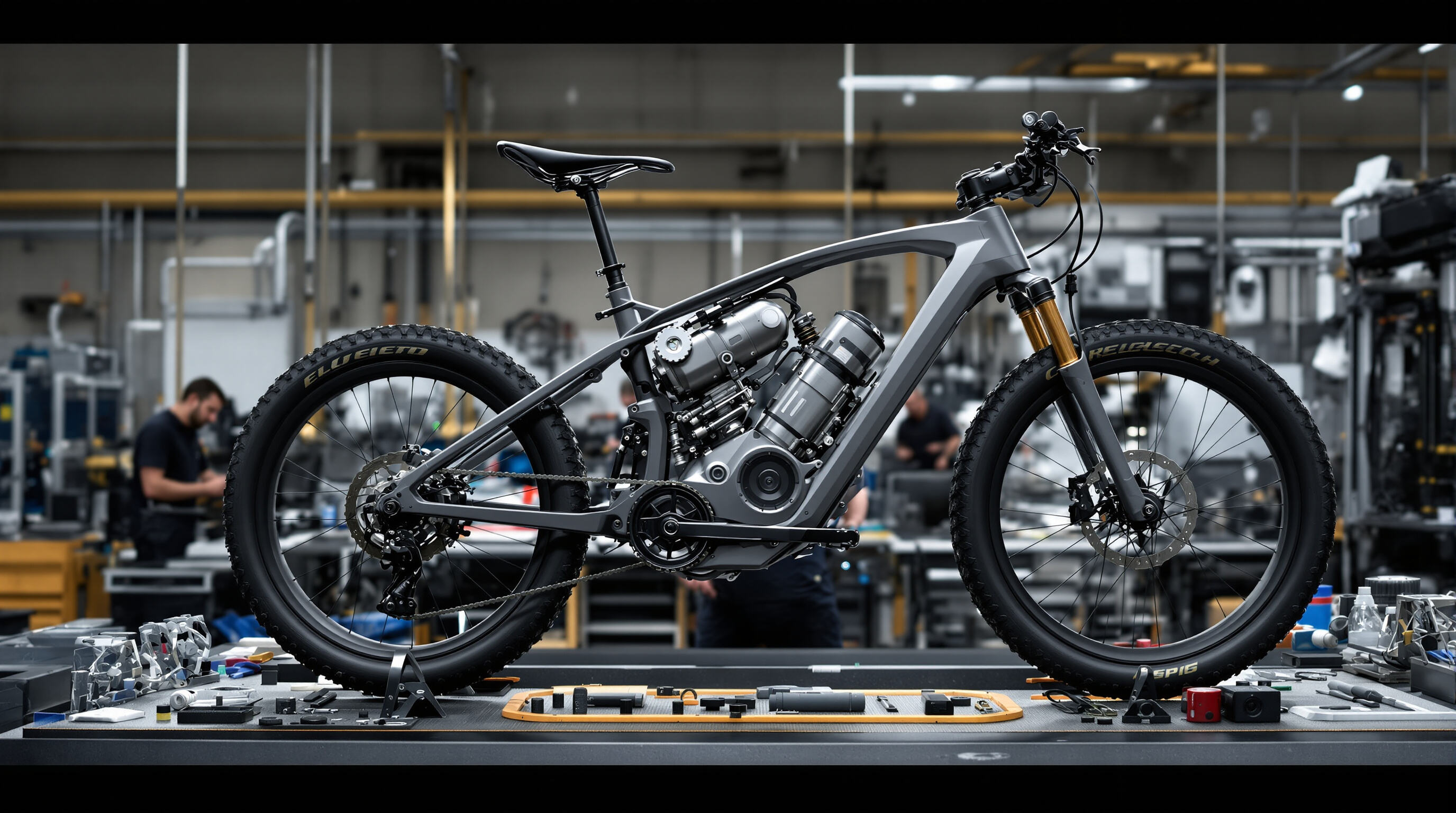
Next-generation motor integration and intelligent power distribution
Compact dual motor systems combining inner and outer rotor tech are being worked on by engineers right now, giving about 28% more torque density compared to what was available in 2022 according to Industry Research from last year. The latest versions incorporate artificial intelligence for power management, allowing them to tweak how much force goes to each wheel depending on what kind of ground they're riding over, what the rider wants, and how much charge remains in the batteries. This kind of smart adjustment makes all the difference when tackling tricky mountain paths where riders don't want to constantly fiddle with settings themselves.
Innovation in e-MTB design: Smarter, lighter, more responsive dual motor systems
The latest prototypes tested in 2025 show these dual motor e-MTBs can hit 20 mph from a standstill in around 2.8 seconds flat. What's even cooler? The overall weight has dropped by nearly a third thanks to those new magnesium alloy frames combined with some pretty neat graphene stuff in the components. Manufacturers are getting creative with modular setups too. They can now build bikes with power outputs ranging from 750W all the way up to 1500W using the same basic platform. This means brands can tweak performance specs for different models while still keeping their signature feel across the range. Riders get varied experiences without losing brand identity.
Long-term outlook: Sustainability and scalability of dual motor technology
Studies on product lifecycles show that these new dual motor systems can actually get around 85% of their materials recycled thanks to standard methods for recovering those valuable rare earth magnets according to Transportation Tech Review last year. We're seeing some real progress too with robots doing the motor winding work and 3D printed stuff helping with heat management, which makes manufacturing faster and cheaper overall. Looking ahead at how things might shape up, most experts think about 45 out of every 100 high end electric mountain bikes will have these dual motors installed by 2027. That's quite a jump from being something only enthusiasts cared about to becoming pretty much standard equipment across the board now.
FAQ
What are the benefits of having a dual motor system on an electric bike?
Dual motor systems provide increased torque and power, offering better acceleration and improved hill climbing ability. They also allow for enhanced handling and grip, particularly on challenging terrains.
How do dual motors affect the market positioning of e-bike brands?
Dual motor systems are a factor in brand differentiation, making products stand out with improved technology and performance, which appeals to tech-savvy riders looking for cutting-edge e-bikes.
Are dual motor electric bikes suitable for beginners?
For beginners who ride primarily on smooth pavements, single motor bikes are often sufficient. However, those who venture into more challenging terrains may benefit from dual motor setups for enhanced performance.
What is the future outlook for dual motor electric bikes?
Advancements in technology and integration of AI in power management are expected to continue. Dual motor e-bikes are becoming more standardized and are expected to be a standard feature in high-end models within the next few years.