
 EN
EN
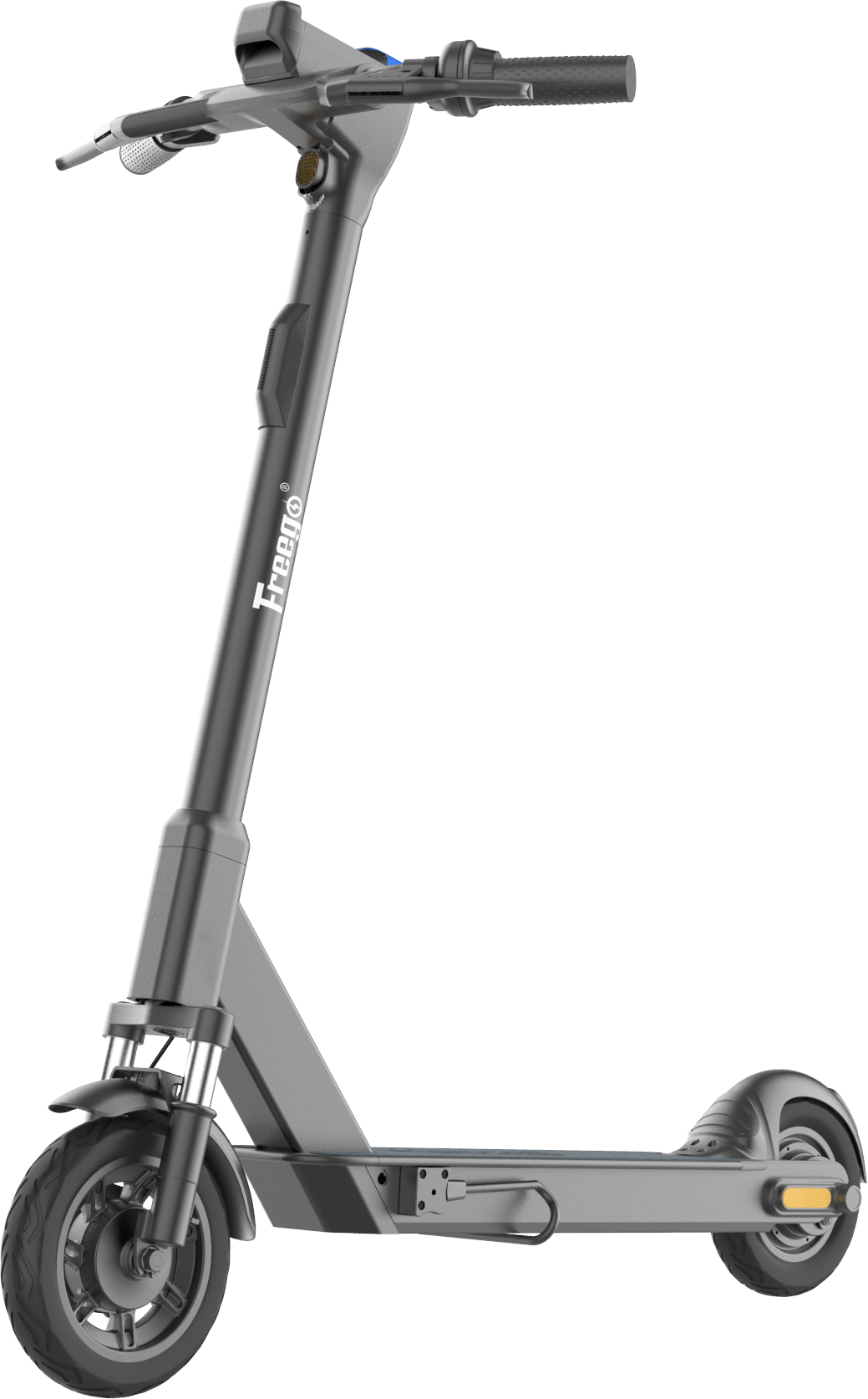
The Strategic Advantage of Private Molds in Sharing Scooter Development
How Private Molds Enhance Structural Integrity and Safety in Sharing Scooters
When it comes to making durable scooters, custom molds give manufacturers the ability to build frames with extra reinforcement at stress points and better weight balance. These features matter a lot since city scooters often handle over 15 rides each day in crowded areas where every bump counts. Specialized tooling creates stronger walls around those pressure spots on the frame joints, which cuts down on cracking problems by roughly 40 percent when compared to standard designs according to last year's Micromobility Materials Report. The improved structure means fewer breakdowns and accident risks something that keeps fleet managers awake at night given they oversee thousands of scooters hitting the streets daily.
Cost-Benefit Analysis: Custom Tooling Versus Long-Term Operational Savings
Private molds do cost quite a bit upfront, somewhere around 120 to 180 thousand dollars, but when production hits over 15,000 units, companies see their per unit costs drop by about 22%. What really makes these molds worth considering though? Maintenance costs for fleets running on custom molded frames fall dramatically. We're talking about roughly 63% less spent each year because parts just don't wear out as fast. Most operators find themselves back at even ground within 18 to 24 months. After that point, all those saved bucks start flowing into other areas. Some businesses expand their fleets while others invest in smarter tech solutions, including things like Internet of Things systems that help monitor equipment health in real time.
Case Study: Adoption of Semi-Custom Frame Molds by Major Operators
Leading scooter-sharing companies have adopted hybrid mold strategies, combining semi-custom chassis designs with standardized components. This approach has reduced downtime incidents by 31% while preserving scalability. It also supports broader sustainability goals, as durable, long-lasting frames minimize manufacturing waste and align with industry efforts to balance durability with decarbonization goals.
Scalability and Manufacturing Efficiency for High-Volume Sharing Scooter Fleets
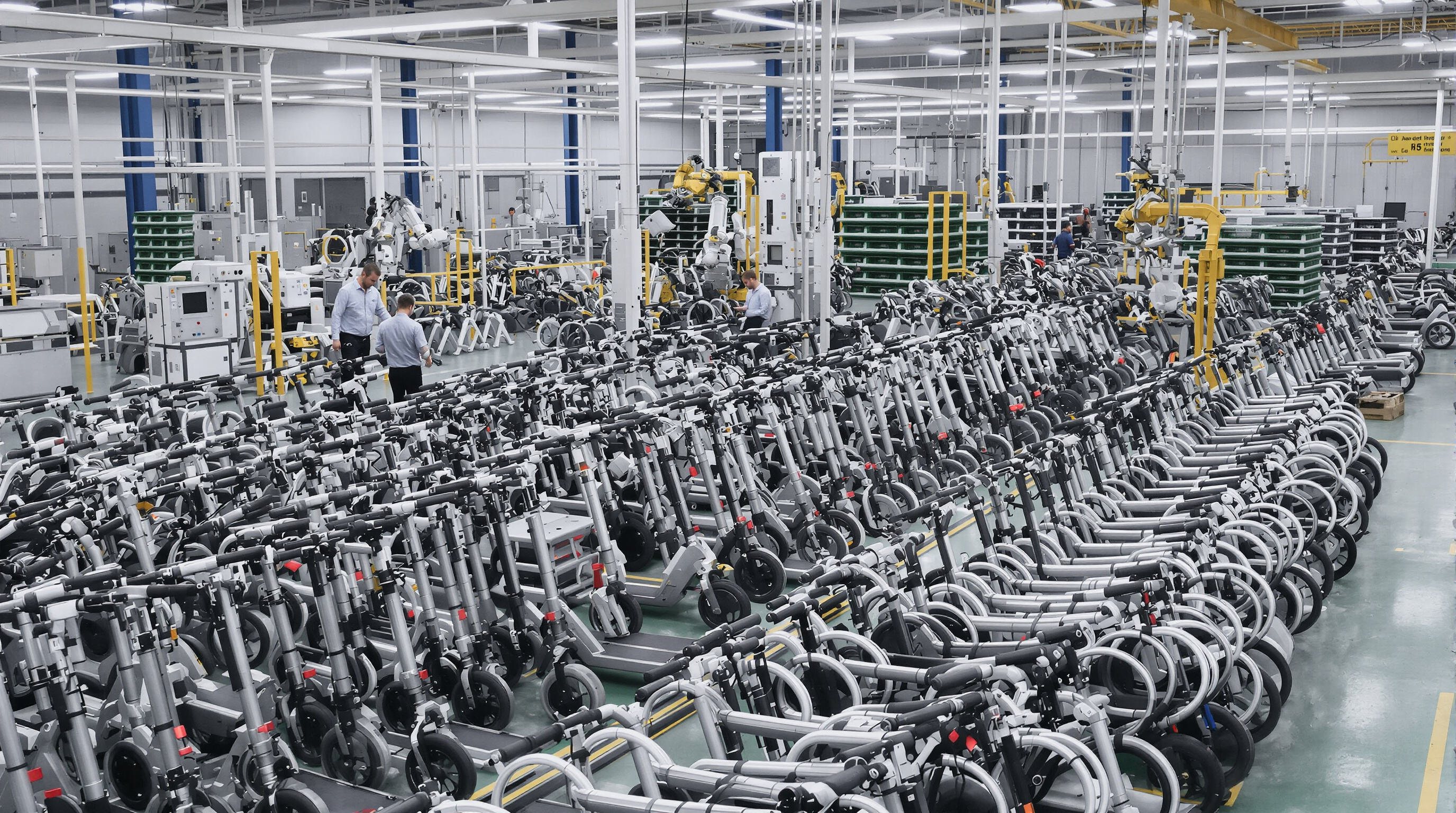
Private mold production is essential for scaling shared mobility fleets beyond 50,000 units annually. Unlike off-the-shelf parts, custom molds provide precise control over production timelines, material use, and component compatibilityâ€"key factors for successful deployment in major metropolitan areas.
Aligning Private Mold Production with Large-Scale Shared Mobility Demands
Fleet-wide part uniformity simplifies logistics and reduces repair times. Proprietary molds eliminate geometric variances common in mass-produced components, achieving 98.4% dimensional consistency across batches (2023 micromobility industry data). This enables operators to:
- Maintain spare part inventories below 10% (vs. 15â€"20% with generic parts)
- Cut field repair times by 37% through full component interchangeability
- Scale operations linearly thanks to standardized quality control protocols
Overcoming Scalability Limitations of Standardized Parts in Micro-Mobility
Generic frames and battery housings introduce inefficiencies that compound at scale. A 2024 Urban Transport Institute study found that operators using standardized components incur 23% higher maintenance costs per vehicle-mile than those using custom-molded parts. Private molds resolve persistent issues such as:
- Frame-battery misalignment leading to electrical faults
- Inconsistent deck widths affecting charging rack fit
- Thread tolerance variations accelerating fastener wear
For fleets exceeding 10,000 units, private mold adoption reduces total cost of ownership by 19â€"27%, all while supporting rapid redeployment cycles under 72 hoursâ€"essential for competitiveness in urban markets.
Design Innovation Enabled by Proprietary Mold Technology
Custom Chassis Molds That Improve User Safety and Ride Performance
Specialized molds allow for creating chassis shapes that just cant be achieved with regular tools on the market today. The latest 3D printed molds from Vicoplastics (2023) come with these fancy cooling channels built right into them, which cuts down on part warping by around 18%. This means parts stay strong and reliable even after thousands of usage cycles. When manufacturers add custom ribs and vary materials throughout different sections, they actually get better weight handling capabilities too. Tests show this approach boosts weight capacity by roughly 22% while also making those expensive fleet vehicles last longer before parts start failing under stress.
Integrated Battery Enclosures and IoT Sensors in Molded Scooter Frames
The latest mold designs now include built-in wiring channels and mounting points right from the start of production. Manufacturers can actually install waterproof battery boxes and IoT trackers while the mold is being made, cutting down on assembly work by around 34% according to Vicoplastics data from 2023. The special seals molded directly into these parts stop water getting inside much better than after-market fixes do, with tests showing about 91% less moisture penetration. For electric scooters that get ridden in rain or washed regularly, this makes a big difference in how long they last before components start failing.
Open-Source vs. Proprietary Designs: Implications for Sharing Scooter Networks
Open source designs definitely help scale things up quickly, but proprietary molds bring something different to the table with their patented safety stuff like those breakaway handlebars and decks that actually absorb impacts. Cities have noticed something interesting too. When they go with these custom molds, vandalism losses drop around 40%. The reason? Those anti-tamper fasteners are just part of the mold itself, so nobody can mess with them easily. On the flip side though, these closed designs sometimes make it harder for outside repair folks to get into the equipment. That's something city officials need to think about seriously since they want to maintain control over maintenance costs and know exactly what's going on with their assets.
Economic Feasibility and Break-Even Analysis for Private Mold Adoption
Upfront investment vs. lifecycle cost savings in sharing scooter infrastructure
Setting up private molds typically involves an initial investment around $3.4 million for all the necessary tooling and production equipment. The good news comes when production hits over 15,000 units - at that point, the cost per unit plummets by roughly 42%. Another big plus is that custom molds cut down how often parts need replacing. Compared to standard components, this happens about 60% less frequently. For companies running mid-sized operations between 5,000 and 8,000 units, most see their investment paid back within 24 to 32 months. These figures come from real world data collected in 2024 across various urban mobility services.
Break-even thresholds for fleets exceeding 10,000 sharing scooters
At scale, the financial benefits become decisive:
- 40% fewer brake assembly failures due to integrated molding
- 28% reduction in stolen or damaged units via proprietary security features
- $18.70 lower monthly maintenance cost per unit versus generic frames
Fleets with more than 10,000 scooters typically recoup mold costs within 18 months and achieve 9â€"12% higher vehicle utilization rates due to improved durability and uptime.
Total cost of ownership: Private molds in sustainable micro-mobility models
| Cost Factor | Private Mold (10k fleet) | Standard Parts (10k fleet) |
|---|---|---|
| Per-unit production | $318 | $487 |
| Annual repairs | $74k | $210k |
| Parts replacement | 18% yearly | 43% yearly |
| Residual value | 34% after 3 years | 12% after 3 years |
This TCO advantage allows operators using private molds to redirect 22% more capital toward charging infrastructure and IoT upgradesâ€"all while maintaining profitability and advancing sustainable mobility objectives.
FAQ
What is the primary benefit of using private molds for scooter production?
Private molds allow manufacturers to create custom frames and components that enhance the structural integrity and longevity of scooters. This leads to reduced maintenance costs and improved safety, making it a strategic choice for high-volume fleets.
Are private molds cost-effective despite the high initial investment?
Yes, while the initial investment in private molds is significant, over time, the per-unit cost decreases significantly. This leads to long-term savings in operational costs and maintenance, often achieving a return on investment within 18-32 months for larger fleets.
How do private molds contribute to sustainability?
Private molds reduce manufacturing waste by creating durable and long-lasting frames. This aligns with sustainability goals by minimizing waste and supporting decarbonization efforts in the micromobility industry.
What are the scalability advantages of using custom molds in scooter manufacturing?
Custom molds ensure high dimensional consistency and compatibility across batches, simplifying logistics and reducing repair times. This allows scooter-sharing operators to scale efficiently and maintain operational consistency across large fleets.