
 EN
EN
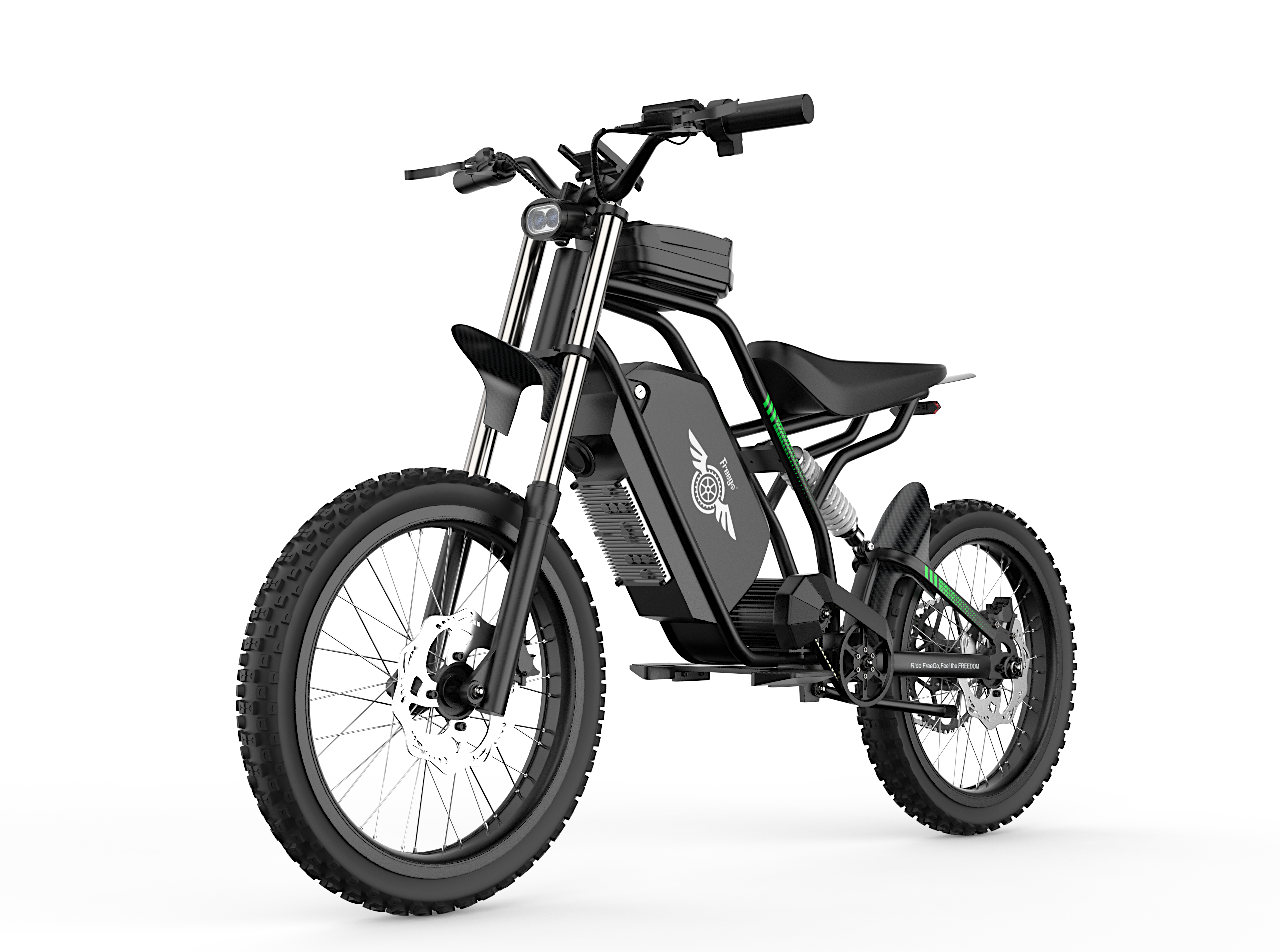
AI-Powered Motor Control for Adaptive Riding Performance
How AI-Driven Adaptive Assistance Enhances Real-Time Responsiveness in UVI Electric Bike
The UVI electric bike models come equipped with smart neural network tech that handles around 150 different data points every single second coming from all sorts of sensors including torque detectors, gyros, and accelerometers. What makes these bikes stand out is how quickly they react when conditions change on the road. The motor response time drops to about 50 milliseconds after sensing terrain variations, which beats traditional PID controllers by roughly 30%. Riders might not even notice it happening, but when faced with unexpected hills, the onboard intelligence actually ramps up torque based on patterns gathered from thousands upon thousands of real world riding situations. Some recent testing back in 2025 showed that these kinds of AI enhanced systems cut down wasted energy by approximately 22% whenever going up hills, according to findings published by Technology.org looking at how motors adapt to changing landscapes.
The Role of Predictive Motor Control in Optimizing Power Delivery
Predictive algorithms analyze historical ride data and real-time GPS maps to anticipate road conditions. Before approaching a hill, the system allocates 18%–25% additional power reserves while reducing assistance on flat stretches. This dynamic load balancing extends range by an average of 9 miles compared to reactive control systems.
Integration of Machine Learning Models to Anticipate Rider Behavior
UVI’s proprietary machine learning framework builds rider profiles based on:
- Pedal cadence variance (±12 RPM tolerance)
- Preferred acceleration curves (25% smoother than factory defaults)
- Braking patterns across weather conditions
These models refine motor responsiveness weekly, with 92% of users reporting improved "intuitive feel" after riding 100 miles.
Case Study: Performance Gains from AI Algorithms Under Variable Conditions
In a 124-mile mixed-terrain trial covering urban roads, gravel paths, and 15% grade hills, UVI’s AI controller delivered measurable improvements:
| Metric | AI Mode | Standard Mode | Improvement |
|---|---|---|---|
| Energy Consumption | 412Wh | 587Wh | 29.8% |
| Peak Motor Temp | 48°C | 67°C | 28.4% |
| Average Speed | 18.7mph | 16.2mph | 15.4% |
Controversy Analysis: Limitations of AI Reliance in Motor Efficiency
Despite performance gains, over-reliance on AI presents challenges:
- Edge cases like black ice detection still require rider intervention
- Firmware updates occasionally reset learned preferences
- 14% of users in rainy climates report temporary torque miscalculations
These issues underscore the importance of balanced human-AI collaboration in motor control design.
Advanced Motor Efficiency Through Control Algorithms and Sensor Fusion
The UVI electric bike achieves high motor efficiency through precision control systems that adapt continuously to rider input and terrain. By combining advanced algorithms with sensor fusion, the system maximizes energy use without sacrificing performance.
Torque-Based Power Delivery Optimization and Its Impact on Electric Bike Motor Types and Performance
Modern mid-drive motors sample pedal force up to 1,000 times per second via torque sensors, enabling proportional power delivery that minimizes energy waste. A 2023 motor control study found torque-based systems maintain 23% higher efficiency than cadence-controlled models during uphill climbs by precisely matching motor output to rider effort.
Dynamic Adjustment of Motor Output Using Advanced Control Algorithms for Motor Efficiency
Real-time algorithms assess gradient, battery voltage, and pedal cadence to optimize power flow. Field data shows these adaptive controls improve energy efficiency by 27% in stop-and-go urban environments—effectively increasing a 50-mile range to 64 miles per charge.
Sensor Fusion Enabling Seamless Coordination Between Throttle, Pedal Input, and Load Detection
Six integrated sensors—torque, cadence, accelerometer, gyroscope, temperature, and GPS—generate a unified data stream processed within 20ms. This tight integration prevents conflicting commands during rapid throttle engagement, mirroring automotive-grade sensor fusion systems that coordinate traction control with driver inputs.
High-Performance Battery Technology and Smart Management Systems
Lithium-Ion Battery Specifications Driving Range and Reliability
The UVI electric bike comes equipped with a pretty impressive 48V 14Ah lithium ion battery that packs 672Wh of juice inside. Riders can expect around 75 miles on a single charge when riding through different kinds of terrain. What makes this battery stand out is its energy density sitting at 180Wh per kilogram plus better heat management properties. Most owners report their batteries only lose about 8% of capacity after going through roughly 800 full charge cycles. The way the voltage stays consistent across all 140 cells means riders get steady power output even when pushing the battery down to 90% discharged. This matters a lot for those long uphill stretches where sudden drops in power would be frustrating. The bike keeps accelerating smoothly no matter how steep the climb gets.
Smart BMS Strategies for Performance and Longevity
The heart of this system lies in its intelligent Battery Management System (BMS), which employs predictive algorithms to tweak charging speeds according to ambient temperature changes and workload demands. This advanced setup offers protection across three different layers from common issues like overvoltage situations, accidental short circuits, and imbalances between cells. Plus, it adapts discharge characteristics specifically for either daily commuting needs or more intense sport riding conditions. When temps drop below freezing point around 32 degrees Fahrenheit, the BMS kicks in with built-in self heating mechanisms that maintain proper ionic flow through the battery cells, all while making sure that repeated charge cycles don't take a toll on overall lifespan performance.
Evolution of Battery Technology in E-Bikes
New innovations in battery tech are really taking off these days. Silicon anode cells now pack about 23 percent more energy compared to traditional graphite ones, and there are some pretty exciting solid state prototypes hitting the market that promise over 500 mile ranges between charges. Most manufacturers are moving away from NMC chemistry towards LFP because it handles heat better, which makes batteries safer overall. Another big trend we're seeing is modular battery designs where motorcycle owners can actually swap out parts instead of buying whole new packs when they need more power. All these improvements help push us closer to those holy grail specs everyone talks about - charging times under twenty minutes and batteries that last through at least two thousand complete charge cycles before needing replacement.
FAQ
-
What makes UVI electric bikes' AI system stand out?
The UVI electric bikes use smart neural network technology to handle roughly 150 data points per second from various sensors, adapting in real-time to changing road conditions with reduced motor response time compared to traditional systems, by about 30%. -
How do predictive algorithms enhance biking performance?
Predictive algorithms optimize power delivery by analyzing historical data and GPS maps to anticipate road conditions, thereby extending the ride range by an average of 9 miles with dynamic load balancing. -
What are some limitations of AI reliance in these systems?
There are challenges, such as edge cases requiring user intervention, firmware updates resetting preferences, and torque miscalculations in adverse weather as reported by some users. -
How does the BMS contribute to battery performance?
The intelligent Battery Management System uses predictive algorithms to manage charging speed and battery protection, adapting discharge characteristics for various riding conditions to enhance performance and longevity.
Table of Contents
-
AI-Powered Motor Control for Adaptive Riding Performance
- How AI-Driven Adaptive Assistance Enhances Real-Time Responsiveness in UVI Electric Bike
- The Role of Predictive Motor Control in Optimizing Power Delivery
- Integration of Machine Learning Models to Anticipate Rider Behavior
- Case Study: Performance Gains from AI Algorithms Under Variable Conditions
- Controversy Analysis: Limitations of AI Reliance in Motor Efficiency
- Advanced Motor Efficiency Through Control Algorithms and Sensor Fusion
- High-Performance Battery Technology and Smart Management Systems