
 EN
EN
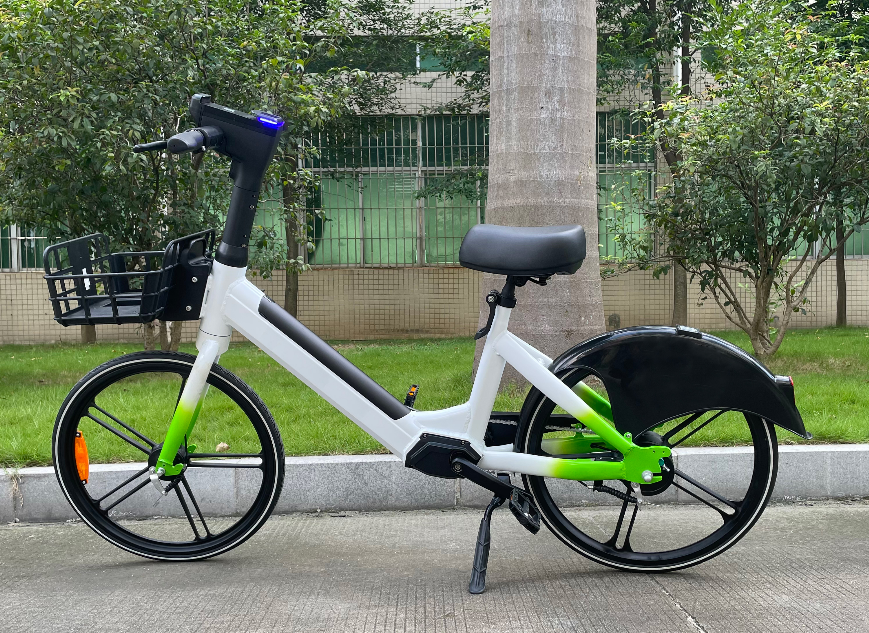
Performance: Battery, Motor, and Urban Riding Capabilities
Battery Capacity, Range, and Charging Time: Key Determinants of Service Efficiency
Most modern UVI e-bikes use lithium ion batteries because they pack a good amount of power while still charging pretty quickly. According to Qiolor's research from 2023, these battery packs generally last between 500 to 1000 full charges before needing replacement, and most will fully recharge in around 4 to 6 hours. That makes them ideal for companies running large bike sharing programs where downtime needs to be minimized. The standard 750 watt hour battery gives riders about 35 to 50 miles on a single charge when riding through different types of terrain. But keep in mind that if someone keeps the throttle cranked all the time, the actual distance covered drops by roughly 18 to 25 percent since the motor pulls much more electricity at higher speeds.
Motor Power and Battery Synergy for Optimal Performance in Shared Use
When mid drive motors are combined with those 48 volt batteries, they deliver pretty decent torque ranging from about 60 to 90 newton meters, which works great for all that starting and stopping in city traffic. Hub motors aren't so hot going uphill but require much less upkeep if riding around mostly flat terrain. Most models put out peak power somewhere between 500 watts and 750 watts, giving riders enough oomph to accelerate smoothly even when carrying heavier loads up to around 265 pounds without draining the battery too fast.
Mid-Drive vs. Hub-Drive Motors: Torque and Hill-Climbing Performance in City Terrain
| Motor Type | Torque Range | Best Use Case | Efficiency on 10% Grades |
|---|---|---|---|
| Mid-Drive | 70–90Nm | Hilly cities | 85% speed retention |
| Hub-Drive | 40–60Nm | Flat metro areas | 62% speed retention |
Mid-drive systems maintain 15–18mph uphill in hilly environments like San Francisco, whereas hub motors perform adequately in flatter layouts such as Chicago’s grid.
Speed, Load Tolerance, and Real-World Riding Conditions for Diverse Riders
Urban fleet e-bikes are typically governed at 20–28mph and built with reinforced frames supporting over 300 lbs total load. Regenerative braking recaptures 5–8% of energy during frequent stops, improving efficiency. Airless tires further enhance reliability, reducing downtown service calls by 30% annually (Urban Mobility Report 2023).
Durability and Build Quality for High-Utilization Environments
Frame Strength and Resistance to Wear From Frequent Public Use
UVI e-bikes designed for sharing services must endure 5–10 daily rides in demanding urban settings. Frames made from aircraft-grade aluminum alloys and reinforced steel joints resist stress fractures at weld points, significantly reducing structural fatigue. Testing shows these fleet-specific designs sustain 35% fewer deformations after 10,000 simulated rides compared to consumer models.
Component Longevity Under High-Usage Scenarios in Bike-Sharing Fleets
Drivetrains, brake pads, and wheel bearings are critical wear components affecting maintenance costs. Sealed cartridge bearings and corrosion-resistant chains extend service life by 40–60% in humid climates. Modular designs using stainless-steel fasteners and polymer-coated cables enable quick field replacements, contributing to reported uptime rates exceeding 90%.
Balancing Lightweight Design With Structural Robustness: Trade-Offs Analyzed
Lightweight materials definitely help with handling, but nobody wants their car falling apart after a few months. Carbon fiber cuts down on frame weight by around 22%, which sounds great until it starts showing those tiny cracks after hitting curbs or potholes. Hydroformed aluminum might add between 1.2 to 1.8 kilograms to the overall weight, but what we get in return is seriously impressive. Tests show these frames last three times longer before showing signs of wear and tear. And this makes a real difference for maintenance schedules too. Vehicles built with the heavier aluminum frames need about 30 percent fewer checks on weld points during an 18 month period according to shop mechanics who deal with this stuff day in and day out.
Impact of Environmental Exposure on UVI Electric Bike Lifespan
Smart Technology and Security Features for Fleet Management
GPS Tracking, Anti-Theft Systems, and Electronic Locking Mechanisms
Strong security measures are really important if companies want to cut down on vehicle theft and keep their fleets running smoothly. With GPS tracking built right into the system, managers can monitor vehicles as they move around, which helps track down stolen assets faster and figure out better ways to position them when needed. According to industry research from BestPass last year, these advanced telematics systems actually cut theft losses by nearly two thirds compared to just relying on standard mechanical locks. Modern electronic locking solutions work through things like QR code scanning or NFC technology, giving drivers secure access without all the hassle of traditional keys while still being pretty straightforward to use in day to day operations.
Smartphone Integration and App-Based Controls for User Access and Monitoring
When smartphones get integrated into bike sharing systems, it makes everything much smoother for users while giving better control over operations. Riders can find nearby bikes, unlock them with their phones, and even check how much battery life remains before heading out. These features really cut down on the hassle of finding and using shared transportation options. On the business side, operators have access to dashboards showing all sorts of useful information like where bikes are being used most often, when maintenance might be needed, and how well the service is generating income. Companies that implement these app-based controls typically see around a 23 percent boost in bike usage because they can send bikes where they're needed most and adjust prices based on demand throughout the day.
Data Connectivity and Remote Diagnostics for Predictive Maintenance
UVI e-bikes come equipped with IoT sensors connected via cellular networks that send information about how the motors are doing, when brakes need attention, and what's left in the battery power. These smart systems can actually spot problems before they happen something real valuable for companies running bikes that get ridden around 8 to 10 times each day. When issues do pop up, technicians can diagnose them remotely without needing to bring the bike into shop. Plus, software updates go out wirelessly so maintenance crews don't have to manually install fixes. The encryption built into all this communication helps keep things legal according to industry standards. Fleet managers who've switched to this setup say their unexpected repair costs dropped by about 40 percent according to some recent studies from telematics experts at Ansitindia.
User Experience: Comfort, Safety, and Accessibility in Shared Use
Ergonomic Design and Adjustable Features for Diverse Urban Riders
UVI e-bikes are built for people who stand anywhere from around five foot one inch all the way up to six foot five inches tall. They come with seats that can be adjusted across an 8 to 14 inch range plus handlebars that offer several different positions too. The bike has quick release levers and special suspension seat posts that cut down vibrations when riding over bumpy roads or cobblestone streets by about forty percent. A lot of riders actually struggle with regular bikes because they don't fit right. According to recent research from the Urban Mobility Institute back in 2023, nearly a third of all users complain about discomfort issues specifically with fixed geometry models. That's why UVI made those ergonomic upgrades. Most regular cyclists care much more about being comfortable than going super fast anyway, which is something we see in our data where seventy two percent say comfort matters most to them.
Integrated Lighting, Brakes, and Reflectors for Safety in Low-Visibility Conditions
The automatic LED lights (over 300 lumens) paired with motion sensors on the sides have cut down nighttime accidents in shared bike fleets by around 28%, according to last year's Urban Mobility Report. When it comes to stopping power, hydraulic disc brakes kick in within just 0.3 seconds and they work much better when roads are wet compared to regular rim brakes something that matters a lot in places where rain falls more than 100 days each year. The reflective stickers spread across about 15% of the bike frame make them visible from over 200 feet away, which helps explain why so many car vs bike crashes occur during those twilight hours when visibility drops off sharply. Statistics show that roughly 61% of all such collisions take place at dusk or dawn.
Practical Accessories Like Racks and Displays That Enhance Usability
The waterproof LCD screen shows battery levels down to 1% increments, and gives range estimates accurate within plus or minus 5%. This helps stop those annoying mid ride power cuts for about 8 out of 10 people who have had this problem before. Cargo racks can hold around 55 pounds worth of stuff, which covers pretty much everything needed for city deliveries. They snap on and off in under three seconds too. Looking at what riders actually want these days, most seem to care more about getting things done than looking cool. Recent surveys back this up, showing that nearly two thirds prefer practical designs over fancy ones when making their purchase decisions.
Decision-Making Framework for Selecting UVI E-Bike Models
Weighting Key Factors: Battery Life, Durability, Smart Features, and Cost
Selecting the right model requires balancing four core factors based on operational goals. According to a 2023 Urban Mobility Report, battery performance influences 34% of user satisfaction, while durability accounts for 28% of lifecycle costs. The following framework prioritizes decision-critical metrics:
| Factor | Weighting | Key Metrics | Impact on ROI |
|---|---|---|---|
| Battery Life | 30% | Range per charge, charge cycles | Reduced downtime |
| Durability | 25% | Frame corrosion resistance, IP rating | Lower maintenance costs |
| Smart Features | 20% | GPS accuracy, diagnostic capabilities | Theft prevention |
| Cost | 25% | Acquisition price, replacement parts | Scalability of fleet size |
Models with modular batteries—shown to extend lifespan by 40% in 2024 Fleet Cycling Studies—and standardized components offer optimal balance for scalable deployment.
Using AHP and MABAC Methods to Objectively Compare UVI E-Bike Models
Analytic Hierarchy Process or AHP works by comparing things two at a time to figure out what matters most. Take battery life versus cost for instance. In places where rain is common, people might value longer lasting batteries 1.5 times more than they care about how much something costs. Then comes MABAC which stands for Multi-Attributive Border Approximation Area Comparison. This method checks different models against certain standards and basically cuts out anything that looks like it will cost over 740 thousand dollars to maintain throughout its lifespan according to Ponemon's research from last year. When used together, these approaches cut down on guesswork and personal opinions by around two thirds when compared with regular scoring systems. Imagine a car that handles hills really well but doesn't connect to smart devices so well. Such a vehicle would probably get better marks in hilly areas compared to somewhere completely flat. But no matter what, anyone making final choices needs actual field test results too. Real world testing shows if all those technical specs actually work when put into practice.
FAQ
What is the expected lifespan of UVI e-bike batteries?
UVI e-bike batteries typically last between 500 to 1000 full charges, which means they can serve for several years depending on usage frequency.
Are hub-drive motors suitable for hilly terrain?
Hub-drive motors are less effective on hilly terrains compared to mid-drive motors, which provide better torque and efficiency for uphill rides.
What security features are integrated into UVI e-bikes?
UVI e-bikes incorporate GPS tracking, electronic locking systems, and anti-theft features to ensure optimal security and fleet management.
How do smart technology features enhance user experience?
Smart technology features allow for seamless integration with smartphones, providing app-based controls for easy bike access, real-time updates, and fleet monitoring.
What factors should be considered when selecting a UVI e-bike model?
Key factors include battery life, durability, smart features, and cost, which influence user satisfaction and overall ROI.
Table of Contents
-
Performance: Battery, Motor, and Urban Riding Capabilities
- Battery Capacity, Range, and Charging Time: Key Determinants of Service Efficiency
- Motor Power and Battery Synergy for Optimal Performance in Shared Use
- Mid-Drive vs. Hub-Drive Motors: Torque and Hill-Climbing Performance in City Terrain
- Speed, Load Tolerance, and Real-World Riding Conditions for Diverse Riders
- Durability and Build Quality for High-Utilization Environments
- Smart Technology and Security Features for Fleet Management
- User Experience: Comfort, Safety, and Accessibility in Shared Use
- Decision-Making Framework for Selecting UVI E-Bike Models
- FAQ