
 EN
EN
Why Frame Material Defines the Balance Between Weight and Durability
How Frame Material Impacts the Performance of Folding City Ebikes
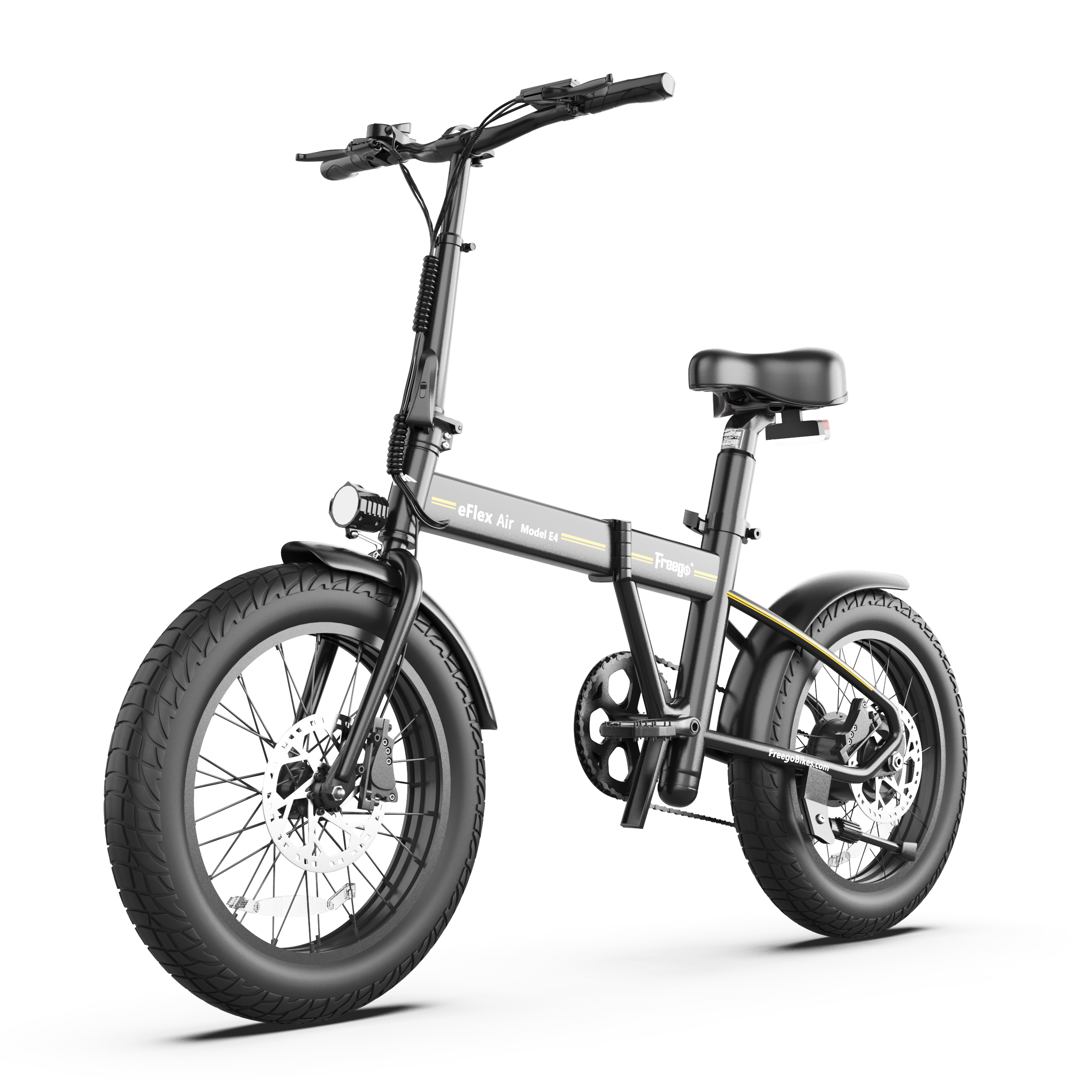
The frame material of a folding city ebike really makes all the difference when it comes to how well it works in an urban setting. We're talking about three main things here: stability on the road, how easy it is to carry around, and just how long it will last. Most manufacturers go with aluminum alloys these days because they pack quite a punch for their weight. These frames have this impressive strength-to-weight ratio of about 16 to 1, which means they beat regular steel hands down without carrying around all that extra bulk either (the 2025 Construction Materials report backs this up). For people who need to commute every day, this matters a lot. An aluminum-framed ebike weighs around 33 pounds total, so most folks can pick it up no problem after parking somewhere. And even better, the frame holds up pretty well against those annoying potholes and curb hits that happen so often in city streets.
Strength-to-Weight Comparison of Common Materials
Recent studies reveal stark differences in material capabilities:
| Material | Tensile Strength (MPa) | Weight per Meter (kg) | Best Use Case |
|---|---|---|---|
| Aluminum 6061 | 310 | 2.8 | Urban commuting |
| High-Tensile Steel | 650 | 6.1 | Heavy cargo models |
| Carbon Fiber | 800 | 1.5 | Premium lightweight designs |
| Titanium | 900 | 4.5 | Long-term rental fleets |
Aluminum's adaptability shines in folding joints, where impact resistance testing shows it withstands 20,000+ fold cycles without deformation, making it ideal for frequent urban use.
The Role of Frame Design in Enhancing Portability
Top manufacturers achieve compact folds through patented tube geometries that align stress points with material properties. Forged aluminum hinges reduce weight by 22% compared to welded steel joints while maintaining equivalent load capacity (Micromobility Engineering Report 2024), enhancing both portability and structural efficiency.
Influence of Folding Mechanisms on Structural Integrity
Multi-pivot systems create 12–18% higher stress concentrations at joints than rigid frames. A 2024 industry study found aluminum alloys dissipate these forces 40% more effectively than carbon fiber, which risks microfractures after repeated folding due to lower impact tolerance in real-world conditions.
Aluminum Alloy (6061): The Optimal Choice for Lightweight Strength
Benefits of Aluminum Alloy Frames for Folding City Ebike Urban Commuting
Aluminum alloy frames offer a 30% weight reduction over steel while retaining 85% of its tensile strength (310 MPa), making them ideal for riders prioritizing portability. This balance enables folding ebikes to endure daily pavement stresses without excess bulk, with frame weights typically between 4.5–6.2 lbs depending on design complexity.
| Material | Tensile Strength (MPa) | Density (g/cm³) | Corrosion Resistance |
|---|---|---|---|
| 6061 Aluminum | 310 | 2.70 | High |
| High-Strength Steel | 550 | 7.85 | Moderate |
| Carbon Fiber | 600 | 1.75 | Low |
Why 6061 Aluminum Dominates Due to Its Lightness and Durability Balance
The magnesium-silicon composition of 6061 aluminum forms a microcrystalline structure resistant to metal fatigue during repeated folding. According to CNC machining experts, this alloy retains 90% of its original strength after 100,000 stress cycles, critical for hinge mechanisms in commuter ebikes.
Real-World Examples: Weight and Size Optimization in Top Models
Manufacturers leverage 6061's machinability to create tapered tubing (1.5mm wall thickness) around battery compartments and folding joints, achieving folded dimensions under 30×16 inches. These designs reduce overall weight by 22% compared to earlier 7005-aluminum models.
Corrosion Resistance and Long-Term Reliability of Aluminum in Daily Use
6061's chromium-enhanced oxide layer provides 200-hour salt spray resistance without coatings, as validated by building material researchers. This inherent protection ensures long-term durability against road salts and humidity, supporting decade-long frame life with minimal maintenance.
Carbon Fiber: Ultra-Lightweight but with Practical Trade-Offs
Achieving Extreme Weight Reduction in Folding City Ebikes with Carbon Fiber
Carbon fiber enables frame weights 50–60% lighter than aluminum, thanks to its layered composite construction. This allows manufacturers to produce folding ebikes as light as 12kg, comparable to premium luggage, ideal for users navigating stairs or public transit.
Durability Concerns: How Carbon Fiber Performs Under Impact and Stress
Despite high performance in lab tests, carbon fiber is prone to microfractures in urban environments. Independent impact studies show carbon frames develop cracks 3.7x faster than aluminum when subjected to pothole impacts. These hidden flaws can accumulate and compromise safety at folding joints, posing risks for daily commuters.
Is Carbon Fiber Overengineered for Typical Folding City Ebike Usage?
City commuters might find carbon fiber frames too expensive for daily use since material costs can double what manufacturers pay. When dealing with all those sudden stops and starts in traffic, durability and price usually matter more than saving just a few pounds on weight. Most riders don't notice much difference in performance anyway. Looking at how materials behave in real-world conditions, aluminum frames or even good quality steel tend to work just fine for people who ride around town every day without needing racing specs.
Titanium and High-Strength Steel: Niche Options for Long-Term Durability
Titanium Frames: Unmatched Lifespan at a Premium Cost for Folding City Ebikes
Titanium weighs about 45 percent less than steel while still holding up just as well, which is why many manufacturers choose it for electric bikes meant to withstand years of rough city riding. Sure, titanium costs anywhere from three to five times what aluminum does, but it stands up much better against corrosion caused by road salt and damp weather—something that matters a lot if someone lives near the ocean or deals with winter roads regularly. When tested under repeated stress cycles, titanium shows around 67% greater resistance to fatigue compared to steel. This means frames made from titanium can handle all those constant folding motions without losing their shape or breaking down over time.
Reinforced Steel Designs: Strength and Resilience in Heavy-Duty Folding E-Bikes
High strength steel, or HSS as it's commonly called, offers between 780 and 1500 MPa of tensile strength, which is roughly four times what regular steel can handle, all while weighing about 22% less according to recent material durability studies from 2024. For people who need their folding electric bikes to carry heavy loads, say anything over 120 kilograms, this kind of steel is basically a game changer. Regular materials tend to be too fragile for such tasks, but steel naturally holds its shape better, making foldable designs much sturdier without needing all sorts of extra support structures. Plus, newer treatments using zinc-aluminum mixtures have made these steels far less prone to rusting, so they last longer even when exposed to rain or moisture regularly.
FAQ Section
What materials are best for urban commuting ebikes?
Aluminum alloy frames are considered the best for urban commuting ebikes due to their balance of weight, durability, and resistance to everyday stresses.
Are carbon fiber ebikes worth the cost for city commuting?
For everyday city commuting, carbon fiber ebikes may not justify the higher cost compared to aluminum, given their susceptibility to cracks and durability concerns in urban settings.
Why is titanium considered a premium choice for ebikes?
Titanium offers unmatched lifespan and corrosion resistance, making it a premium choice for ebikes designed to withstand long-term urban riding, although at a higher price point.