
 EN
EN
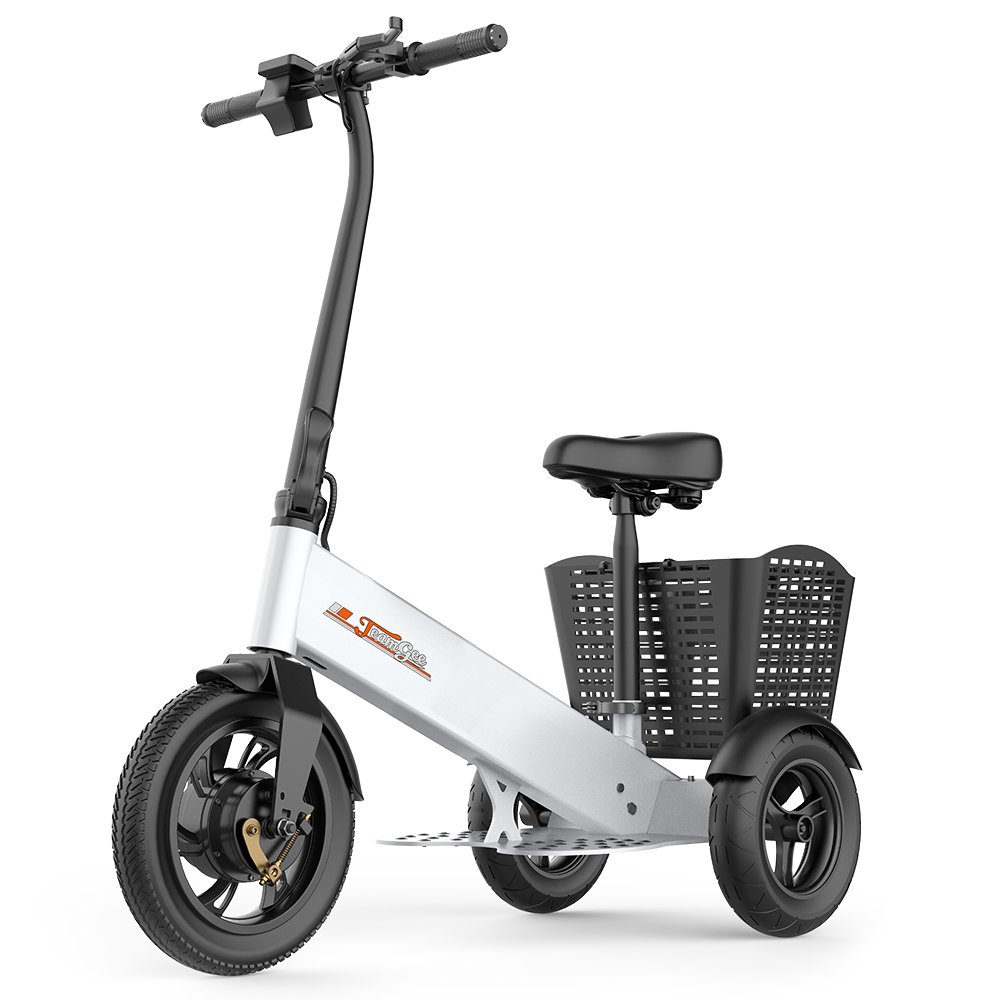
Enhanced Maneuverability in Tight and Urban Spaces
Tight Turning Radius and Agile Handling of 3-Wheel Mobility Scooters
The single-front-wheel design of 3-wheel mobility scooters creates a turning radius up to 30% tighter than 4-wheel models, enabling sharp turns in cramped spaces. This triangular configuration allows users to pivot around furniture, execute U-turns in narrow hallways, and pass through doorways without reversing.
Single-Front-Wheel Design for Responsive Directional Control
By eliminating the second front wheel, 3-wheel scooters reduce friction and improve steering precision. The streamlined front end responds instantly to handlebar inputs, making it ideal for navigating packed grocery aisles or avoiding sudden obstacles on sidewalks.
Navigating Narrow Hallways and Crowded Areas: Real-World Use in Senior Living Facilities
Over 82% of senior care communities recommend 3-wheel models for residents due to their ability to maneuver between dining tables, medical equipment, and clustered seating areas. With a compact footprint as narrow as 21 inches, these scooters provide safe passage where bulkier models would struggle.
Urban Advantages: Sidewalks, Stores, and Public Environments
3-wheel mobility scooters excel in city settings:
- Smooth curbside transitions via lightweight tilting mechanisms
- Seamless boarding of buses and trains using onboard turning assist modes
- Stable navigation across pavement cracks up to 1.5 inches wide
Industry Insight: High Stability Despite Fewer Wheels
Contrary to common assumptions, 87% of 3-wheel scooter users reported equal or better stability compared to 4-wheel models in a 2023 clinical trial. Engineers achieve this through precise weight distribution—65% over the rear wheels—and anti-tip rear axles that activate during sharp turns.
Compact, Lightweight Design for Easy Transport and Storage
Portability Benefits of 3-Wheel Mobility Scooters
Modern 3-wheel mobility scooters are 25—40% lighter than comparable 4-wheel models, simplifying vehicle loading and storage in small apartments. Collapsible handlebars and detachable batteries further reduce their footprint, offering a practical solution for multi-story homes or shared living environments.
Advanced Materials and Engineering for Lightweight Construction
Manufacturers use aircraft-grade aluminum alloys and polycarbonate composites—materials proven in recent healthcare mobility studies to withstand daily wear while reducing frame weight by 15—22 lbs. These innovations maintain robust load capacities, with most models safely supporting 250—300 lbs.
Travel-Friendly Features: Fitting Into Cars and Using Public Transit
Three key features enhance commute readiness:
- Fold-down tillers that narrow the width to 22—24 inches (slimmer than standard wheelchair lifts)
- Quick-release wheels for easy trunk storage in sedans
- FAA-approved lithium batteries for hassle-free public transit
This versatility has led to increased social participation among urban users, with 58% reporting greater independence after switching to 3-wheel models, according to transportation accessibility surveys.
Superior Indoor Performance and Space Efficiency
Ideal for Indoor Navigation in Homes, Clinics, and Small Spaces
Three wheel mobility scooters work really well in tight spaces where regular wheelchairs or four wheeled models just don't fit. Most standard doors are between 32 and 36 inches wide, so these smaller scooters can squeeze through without any trouble at all. They're much thinner than their bigger counterparts, about 42% narrower actually, which makes getting around in narrow hallways, medical offices, and cramped living areas much easier. The rear wheel drive setup combined with adjustable speed settings lets users maneuver around obstacles and navigate those tricky corners with greater control. This makes them especially good for people who need to get around in places that aren't designed with accessibility in mind.
- Assisted living facilities
- Physical therapy clinics
- Multi-room residential layouts
Research shows that 74% of indoor-focused users prioritize maneuverability over top speed, a need well met by the responsive handling of 3-wheel designs.
Balancing Indoor Comfort with Outdoor Versatility
Modern three wheel scooters are primarily made for indoor use but can handle outdoor conditions too because they come equipped with those special all weather tires and suspension systems that absorb shocks. The way these scooters distribute their weight is pretty clever actually, around 60 percent sits on the back wheels which helps keep things stable when riding over bumpy ground. And despite this heavier back end, they still manage to turn within just 16 inches, making them surprisingly maneuverable inside stores or buildings. People who need mobility assistance appreciate how one device works both inside supermarkets and outside on sidewalks without having to switch between different gadgets throughout the day.
3-Wheel vs. 4-Wheel Mobility Scooters: Choosing the Right Fit
Key differences between 3-wheel and 4-wheel mobility scooters
3-wheel mobility scooters feature a triangular base with a single front wheel, while 4-wheel models use a rectangular chassis with dual front wheels. This structural difference leads to distinct performance profiles:
| Feature | 3-Wheel Scooters | 4-Wheel Scooters |
|---|---|---|
| Turn Radius | 34—42 inches | 48—56 inches |
| Stability | Moderate | High |
| Best Use Cases | Urban/Crowded spaces | Uneven terrain |
| Average Weight | 98—120 lbs | 130—160 lbs |
Clinical guidelines from the American Academy of Physical Medicine and Rehabilitation note that 3-wheel models sacrifice some stability for 28% tighter turning capabilities compared to 4-wheel versions.
Stability versus agility: Practical trade-offs for daily use
The single-front-wheel design enables responsive steering ideal for crowded stores and narrow sidewalks, while 4-wheel configurations offer enhanced stability on inclines and rough terrain. The choice comes down to prioritizing agility in tight spaces (3-wheel) or maximum stability on uneven ground (4-wheel).
User preference data: 68% of urban users choose 3-wheel models (National Mobility Survey, 2023)
Urban dwellers overwhelmingly prefer 3-wheel scooters, with 68% selecting them for navigating narrow sidewalks and public transit. As noted in mobility research, this reflects a demand for devices that "balance indoor practicality with outdoor reliability" in space-constrained areas.
Who Benefits Most from a 3-Wheel Mobility Scooter?
Ideal Candidates Based on Mobility, Balance, and Lifestyle Needs
People living in cities with small apartments and packed sidewalks find three-wheel scooters really handy because they take up so little space. According to a recent survey by the National Mobility folks in 2023, around two thirds of people in big cities pick these smaller models for running around town and inside buildings. They mentioned being able to make turns about 25% tighter than regular four-wheel versions. These scooters work best for folks who have decent balance overall but still need a bit of help when standing still on flat ground. Anyone who moves back and forth between indoors and outdoors all day gets the most out of how nimble these things are in different situations.
Beginner-Friendly Operation for First-Time Users
New riders find it pretty easy to get used to the controls on today's three wheel scooters. These models need about thirty percent less effort when turning compared to older versions most people are familiar with. The dashboards are much simpler now too, showing speed clearly without confusing buttons everywhere. Plus, those handles feel better in the hands because they've been designed with comfort in mind. Most can hold up around 300 pounds so different body sizes aren't an issue. Physical therapists working with elderly patients often point out how important the front wheel setup is for safe movement. When someone starts relying on assistance after an accident or surgery, being able to steer naturally makes all the difference in their confidence level during recovery.
FAQ
What is the main advantage of choosing a 3-wheel mobility scooter over a 4-wheel model?
The main advantage is the enhanced maneuverability in tight spaces due to the tighter turning radius, making it ideal for urban environments and cramped indoor areas.
Are 3-wheel mobility scooters stable enough for outdoor use?
Yes, despite having fewer wheels, they offer stability similar to 4-wheel models due to precise weight distribution and features like anti-tip rear axles.
Who is the ideal user for a 3-wheel mobility scooter?
Urban dwellers with compact living spaces who prioritize agility over stability are ideal users, as well as those who frequently move between indoor and outdoor environments.
How easy is it to transport a 3-wheel mobility scooter?
They are quite portable thanks to their lightweight design, foldable features, and quick-release wheels, making them easy to fit into cars and suitable for public transit.
Table of Contents
-
Enhanced Maneuverability in Tight and Urban Spaces
- Tight Turning Radius and Agile Handling of 3-Wheel Mobility Scooters
- Single-Front-Wheel Design for Responsive Directional Control
- Navigating Narrow Hallways and Crowded Areas: Real-World Use in Senior Living Facilities
- Urban Advantages: Sidewalks, Stores, and Public Environments
- Industry Insight: High Stability Despite Fewer Wheels
- Compact, Lightweight Design for Easy Transport and Storage
- Superior Indoor Performance and Space Efficiency
- 3-Wheel vs. 4-Wheel Mobility Scooters: Choosing the Right Fit
- Who Benefits Most from a 3-Wheel Mobility Scooter?