
 EN
EN
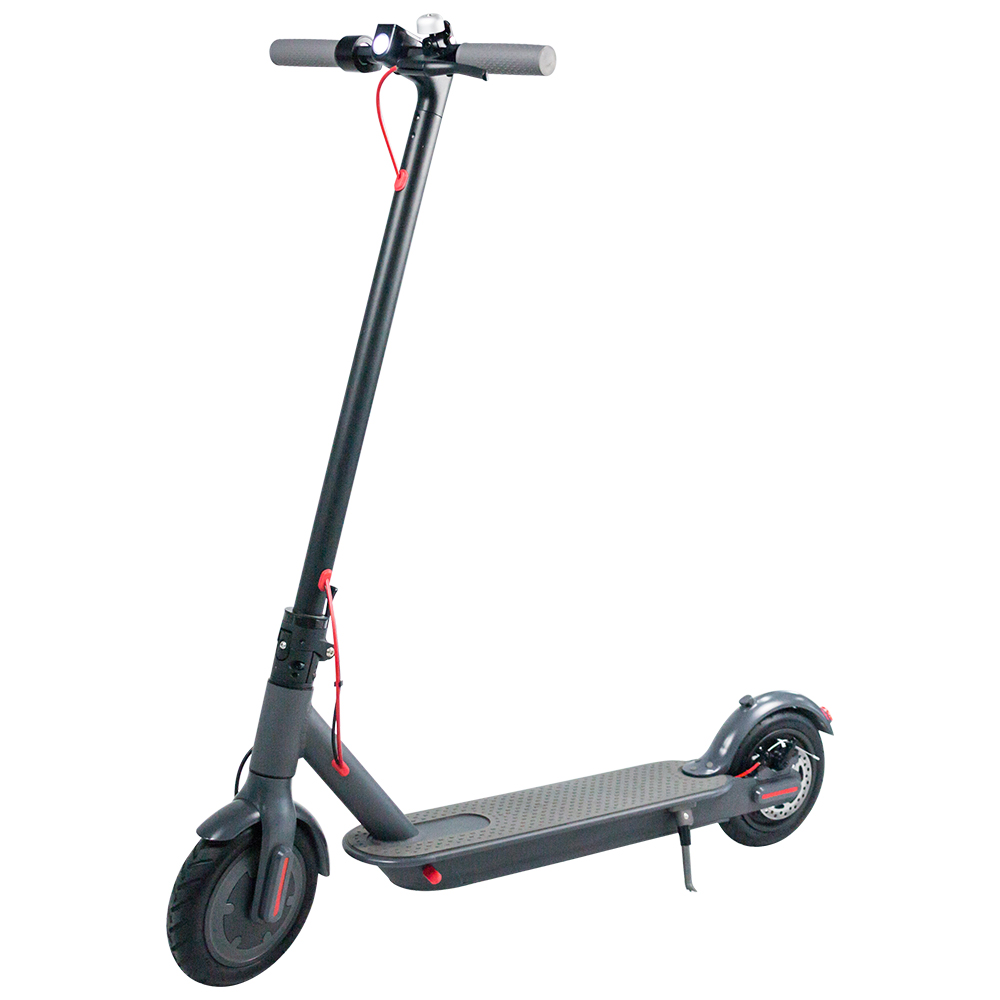
Battery Capacity and Range: Maximizing Real-World Performance
Understanding battery capacity (Wh), BMS, and lithium cell quality
When looking at electric scooters, battery capacity measured in watt-hours (Wh) tells us how far these machines can go on a single charge. Scooters with higher Wh numbers definitely have more power stored inside them, but there's a tradeoff here since bigger batteries also mean heavier vehicles. Most modern e-scooters come equipped with something called a Battery Management System or BMS for short. This system acts as a guardian angel for those sensitive lithium cells, keeping them safe from getting overcharged, overheated, or drained completely which would shorten their lifespan. For anyone serious about getting good value out of their investment, premium lithium options such as NMC (Nickel Manganese Cobalt) or LFP (Lithium Iron Phosphate) make all the difference compared to cheaper versions available on the market today. According to recent data from Micromobility Report 2023, top quality cells still hold around 80% of their original capacity even after going through 800 full charge cycles. Meanwhile, budget friendly alternatives tend to lose about twice as much capacity during the same period, meaning they need replacing sooner rather than later.
How rider weight, terrain, and temperature affect electric scooter range
Real-world range varies significantly based on riding conditions:
- Rider weight: A 100kg rider can expect 15–25% less range than a 60kg rider due to increased energy demand
- Terrain: Hills can reduce range by up to 40% compared to flat surfaces
- Temperature: Below 10°C, range drops by 20–40% as cold thickens battery electrolytes, increasing internal resistance and prompting the BMS to limit discharge
- Speed: Sustained 25km/h uses about 30% less power than 40km/h due to reduced aerodynamic drag
Manufacturer range claims are typically based on ideal lab conditions—real urban use often delivers 20–35% less distance.
Motor Power and Speed: Evaluating Electric Scooter Performance Metrics
Motor wattage and power output: Impact on acceleration and top speed
Motor wattage directly influences acceleration and top speed. Higher-wattage motors produce more torque, enabling quicker 0–15 mph times and better hill climbing. Performance benchmarks show:
| Motor Wattage | Top Speed (mph) | Acceleration Time (0–15 mph) |
|---|---|---|
| 250W | ≤15 mph | >7 seconds |
| 500W | ~20 mph | 4–6 seconds |
| 1000W+ | ≤30 mph | <3 seconds |
Manufacturers often cite peak power rather than sustained output—a 500W motor may briefly reach 800W during acceleration. Heavier riders (e.g., 220 lb vs. 160 lb) experience approximately 15% slower acceleration due to greater mechanical load.
Brushless motors, dual motor setups, and controller efficiency
Modern scooters use brushless DC hub motors, which are about 30% more efficient and durable than brushed motors due to reduced friction and heat. Dual-motor setups improve torque distribution and traction:
- Single motor: Best for flat urban commutes at speeds up to 20 mph
- Dual motor: Enables faster acceleration—up to 40% quicker than single-motor models—and better performance on inclines up to 15°
The motor controller regulates power delivery via pulse-width modulation. High-efficiency controllers achieve up to 95% energy conversion, minimizing voltage sag and enabling effective regenerative braking, which recovers kinetic energy during deceleration.
Voltage Systems: How 60V, 72V, and 84V Affect Power and Efficiency
Comparing voltage levels for speed, hill-climbing, and energy efficiency
Voltage matters when it comes to system performance in several important ways. For regular city riding around town, a 60V setup works pretty well most of the time. Step up to 72V though, and riders generally see about 15 to maybe even 20 percent boost in maximum speed plus better torque when climbing hills. The big guns are those premium 84V systems which pack serious power punch, although they need proper cooling solutions to avoid getting too hot during extended use. When looking at how efficient these systems actually are, there's kind of a sweet spot in the middle. Most people find that 72V gives them just right mix between how far they can go and what kind of performance they get. Lower voltage models like 60V tend to struggle uphill, while those high voltage 84V options actually burn through battery faster when going slow or stopped traffic situations.
Synergy between voltage, motor configuration, and controller quality
Just having higher voltage isn't enough to get good performance out of electric vehicles. The real magic happens when everything works together properly between the motor and controller setup. Take brushless motors running on 72 volt systems for example they tend to speed up about 30 percent quicker compared to similar ones operating at 60 volts, especially when connected to those top notch efficiency controllers. Scooters equipped with two motors really shine with 84 volt configurations because the system can regulate how much current flows through each phase, which stops things from getting too hot and melting down. What people often overlook is that controller quality makes all the difference in how power actually gets delivered. Cheap controllers might squander anywhere from ten to fifteen percent of what should be usable energy just due to those annoying voltage drops whenever someone floors it. When manufacturers take time to design systems where all these parts play nice together, riders end up with something that responds quickly while still being pretty efficient overall.
Braking Performance and Safety for High-Speed Electric Scooters
Disc brakes, regenerative braking, and stopping distance under real loads
Effective braking is essential for high-speed scooters. Hydraulic disc brakes provide the most reliable stopping power, dissipating heat efficiently—crucial since kinetic energy increases fourfold when speed doubles. Regenerative braking supplements safety by recovering energy during deceleration but cannot replace mechanical brakes in emergency stops.
Stopping distance depends on multiple factors:
- Wet surfaces can double braking distance compared to dry pavement
- A 180-lb rider on wet asphalt requires 40% longer to stop than on dry concrete at 25 mph
- Tire quality and tread depth significantly influence grip and response
Regular brake maintenance and practiced emergency stops enhance rider safety, especially at higher speeds.
FAQ
-
What is the role of Battery Management System (BMS) in electric scooters?
A Battery Management System (BMS) protects lithium cells by preventing overcharging, overheating, or complete draining, helping maintain the lifespan of the battery.
-
How do rider weight and terrain affect e-scooter range?
Heavier riders and hilly terrains demand more energy, thus significantly reducing the range of electric scooters.
-
Why do different voltage systems offer different performances?
Higher voltage systems generally offer improved speed and torque but need cooling solutions to avoid overheating; they also tend to be more efficient.
-
Are disc brakes better than regenerative braking for e-scooters?
Disc brakes provide reliable stopping power, especially in emergencies, while regenerative braking helps recover energy during deceleration but cannot replace mechanical brakes.
-
How do motor wattage and power output affect scooter speed and acceleration?
Higher motor wattage offers quicker acceleration and better top speed due to increased torque.