
 EN
EN
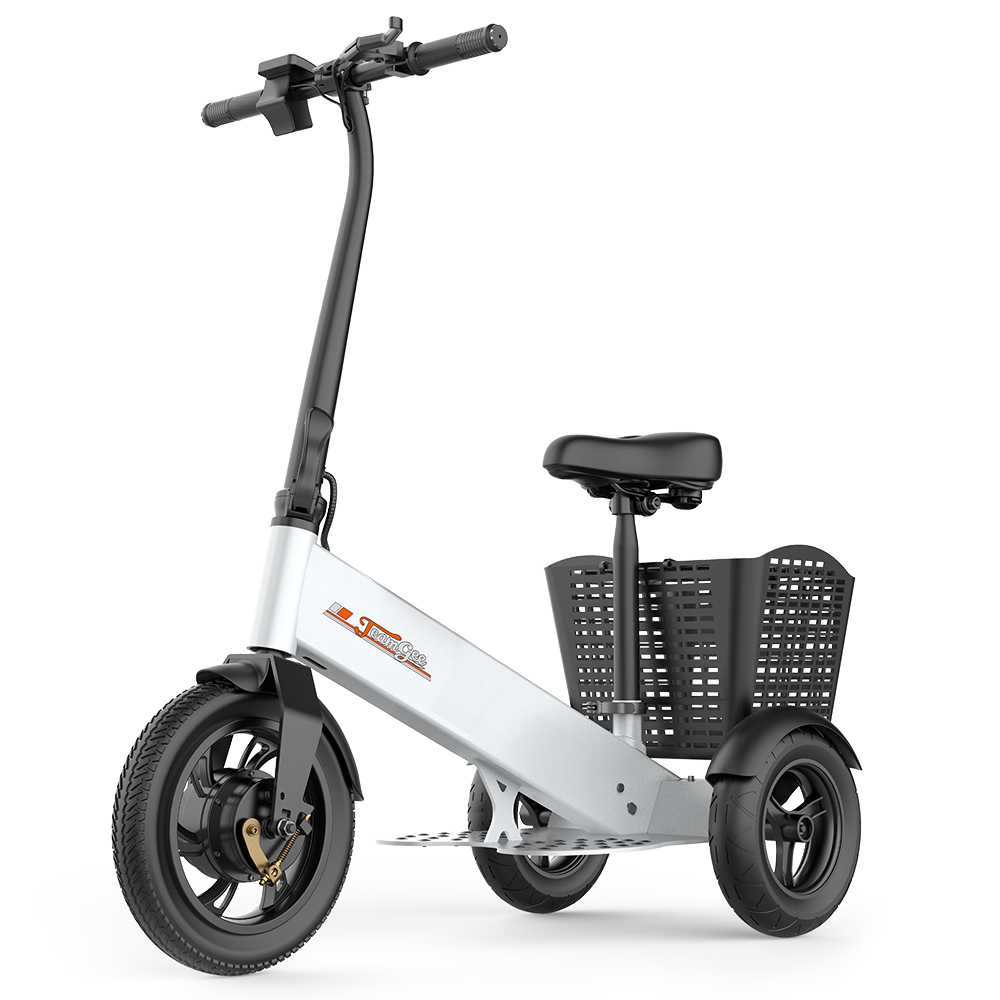
Design Fundamentals That Determine 3-Wheel Mobility Scooter Stability
Triangular Base Geometry and Center of Gravity
Three wheel mobility scooters stay stable thanks to their triangular base setup. Two wheels upfront and one in back create something like a tripod, which helps distribute weight evenly whether moving straight ahead or just sitting still. Keeping things low to the ground matters a lot too. Most manufacturers put heavy parts like batteries beneath the seating area so the center of gravity stays close to where the wheels touch the ground. This makes sudden direction changes less likely to send someone flying over backward. If the balance point drifts outside that triangle formed by the wheels, things get wobbly fast. Getting the seat height right and adjusting those wheel angles properly can make all the difference when taking corners. Studies indicate that scooters with seats less than 10 inches off the pavement have around 28% fewer accidents going uphill, showing just how critical it is to keep most of the weight low down.
Weight Distribution, Wheel Placement, and Turning Radius Effects
How weight sits on the wheels makes all the difference when it comes to stability. Scooters that carry most of their weight upfront, around 60 to 70 percent on those two front wheels, tend to grip better going forward but have a real issue with the back wheels lifting off when stopping abruptly. On the flip side, rear drive setups handle hills much better, though they need just right balance so the front doesn't go flying off track when there's an impact. Three wheel scooters turn much tighter circles too, usually about half as big as four wheel versions, which helps them navigate tight spots but creates some tricky dynamics. When taking sharp corners fast, these machines experience serious sideways forces that can throw them off completely. That's why makers install special dampers on the steering and arrange wheels at different distances from each other. These adjustments help keep things stable even when riders take corners pretty aggressively.
Real-World Stability Performance of 3-Wheel Mobility Scooters
Handling on Uneven Surfaces, Curbs, and Minor Obstacles
Three wheel scooters handle just fine on smooth pavement but tend to wobble when things get bumpy because they have fewer points touching the ground. The tight 16 inch turn radius lets riders zip around sidewalk cracks and little bumps easily, which is why these scooters work so well in cities or inside buildings. But watch out for rough stuff like gravel paths or grassy areas where there's a real chance of tipping over. Smart companies know this limitation and have started adding features to boost stability without sacrificing maneuverability, helping riders stay upright even when conditions aren't perfect.
- Low-profile chassis designs that lower the center of gravity
- Advanced suspension systems to absorb shocks and maintain tire contact
- Larger 10-inch rear wheels for better obstacle clearance
Riders should limit speeds to under 4 mph on rough terrain and approach curbs head-on at perpendicular angles. For those regularly encountering challenging outdoor conditions, a four-wheel scooter may offer greater safety despite reduced agility.
Hill Climbing, Descending, and Braking Stability Considerations
When going uphill, stability becomes a real concern for scooter riders. Ascent angles around 12 degrees (which is generally considered safe) require proper weight distribution toward the front to maintain good grip. Things get tricky when going downhill though. The natural shift of body weight forward actually increases chances of losing control as rear wheels might lift off completely. Steeper declines over about 8 degrees often result in wheel slip problems, especially if someone applies brakes unevenly across both wheels, which can easily lead to dangerous spinouts. Most modern scooters now come equipped with smart features like synchronized brake systems and built-in speed limiters that keep downhill speeds under control, typically capping them between 3 and 4 miles per hour. Safety conscious riders know best to stay in straight paths during descents and never slam those brakes suddenly. Many models also include special anti-tip wheels at the back end that serve as emergency support systems on really steep hills, greatly cutting down the risk of flipping backwards unexpectedly.
Safety Features That Enhance 3-Wheel Mobility Scooter Stability
Anti-Tip Wheels, Low-Profile Chassis, and Suspension Systems
The main mechanical parts that keep riders safe all work hand in hand to stop accidents. Those little anti tip wheels are actually pretty important stabilizers, especially when someone takes a sharp turn or rides up hills. They basically expand the area where the scooter touches the ground, which helps prevent tipping over completely. Then there's the chassis design. Manufacturers have found that making scooters lower to the ground really makes a difference. Every single inch they cut off the height reduces the chance of flipping over by about 15% based on what engineers have observed through testing. The suspension is another key part of this puzzle. It keeps the wheels staying planted on the pavement even when hitting bumps or going over curbs. All these features combine to create something pretty smart safety wise. When obstacles get in the way, the suspension gives a bit, those extra wheels kick in if necessary, and the whole thing stays balanced thanks to how weight gets distributed across three points forming kind of a protective triangle around whoever is riding.
Electronic Stability Aids: Speed Governors and Brake Synchronization
Modern three wheeled scooters come equipped with smart electronics designed to stop wobbling and instability issues. When going uphill, these scooters have built in speed limiters that kick in automatically, slowing things down by about 30% on moderate 10 degree slopes just so riders stay in control. The brakes are synced across all wheels too, which means they all lock at once instead of one wheel stopping first and causing those dangerous fishtail situations we've all seen happen. Sensors inside constantly check how much weight is distributed where and what kind of sideways forces are acting on the scooter, then tweak the power output to keep wheels planted during tight corners. Take a sharp turn for example, when those cornering forces start getting dangerously high, the onboard computer springs into action long before most people even realize there's a problem developing. All these electronic brains work hand in hand with traditional safety gear like frames and handlebars, creating something pretty impressive overall for anyone concerned about staying upright while zipping around town.
3-Wheel Mobility Scooter vs. 4-Wheel: When Stability Trade-Offs Make Sense
When it comes down to picking between three wheel and four wheel scooters, folks really need to weigh what matters most to them stability versus how easy something moves around. Three wheelers tend to be skinnier overall and can turn much sharper corners which makes them great inside places where space gets limited such as apartments, shopping centers, even those super narrow hospital corridors. But there's a catch they just don't hold up so well when roads get bumpy or sloped upwards. Four wheel options give riders way better support though, especially outside where conditions aren't always perfect. People who struggle keeping their balance find these models much more reassuring on tricky surfaces or inclines. Bottom line? If someone spends most time indoors and needs to weave through furniture or doorways without hassle, then three wheels might work best. However, anyone planning regular trips outdoors should probably go with four wheels instead. Matching the right type to actual everyday travel needs keeps everyone safer while still getting from point A to B comfortably.
FAQ
Q: What is the advantage of a triangular base in a three-wheel mobility scooter?
A: The triangular base setup ensures even weight distribution and reduces the risk of tipping, making it easier to maintain balance while moving or stationary.
Q: Are three-wheel scooters suitable for uneven surfaces?
A: While better suited for smooth pavements, certain features like advanced suspension systems and larger rear wheels help them handle uneven surfaces. However, they may not be ideal for very rough terrain.
Q: How do three-wheel scooters compare in terms of stability with four-wheel scooters?
A: Three-wheel scooters can turn sharper and are more maneuverable indoors, but four-wheel scooters offer better stability on uneven or sloped surfaces, making them more suitable for outdoor use.
Q: What features help enhance the stability of three-wheel scooters?
A: Features like low-profile chassis designs, anti-tip wheels, advanced suspension systems, and electronic stability aids such as speed governors and synchronized brakes all contribute to stability and safety.