
 EN
EN
What Makes an Ebike Suitable for Rough Terrain?
Frame Geometry and Tire Clearance: Foundations of Off-Road Stability
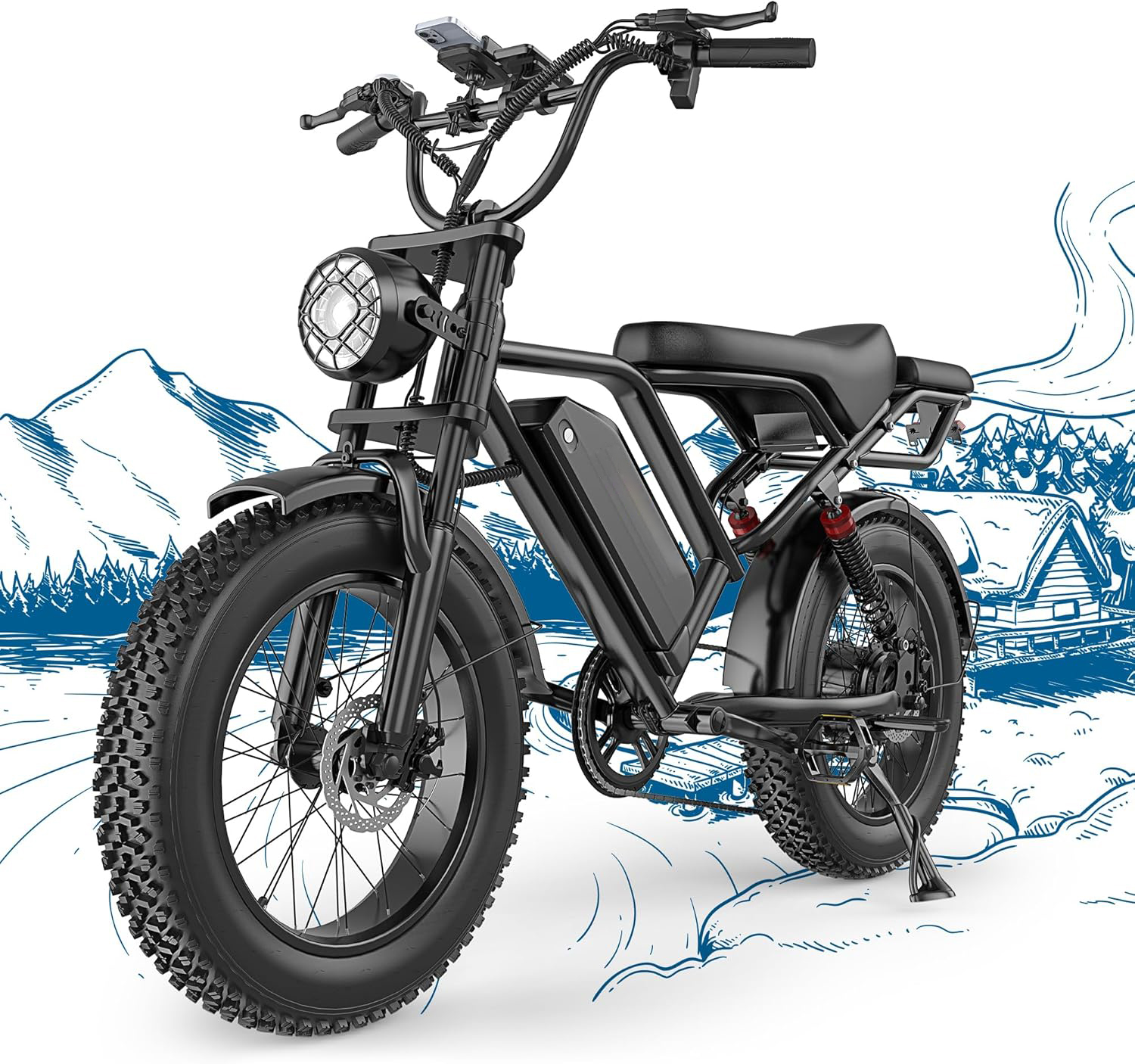
Off-road electric bikes designed for stability typically come with a slack head angle somewhere between 65 and 67 degrees plus a longer wheelbase. These design elements help keep the bike from pitching forward during steep downhill sections and make navigating rocky trails and tight switchbacks much smoother. Most models offer plenty of space for fat tires, at least 2.6 inches clearance, which means riders can fit those big knobby treads that really bite into the ground while still letting mud and dirt fall away instead of building up. The frame geometry actually drops the rider's center of gravity closer to the ground, something mountain bikers know makes all the difference when things get rough and unexpected. When wider tires are pumped up to around 15 to 20 psi, they create a contact patch that's roughly double what regular mountain bike tires provide. This larger footprint cuts down on sinking into soft surfaces like sand, snow, or loose soil according to recent studies published in the Journal of Cycling Biomechanics last year.
Suspension Systems: Why Full-Suspension Ebikes Excel on Technical Trails
Full suspension e-bikes (those with around 120 to 160 mm travel both front and back) keep tires planted when riding over rough terrain like tree roots, rocky trails, and steep drops where regular hardtail bikes just can't get enough grip. Riders report feeling much less tired after long technical descents thanks to this better traction. Some studies have shown fatigue reduction could be as much as 40 percent in certain conditions. The mid pivot design works really well for maintaining proper anti squat characteristics which helps reduce unwanted bouncing when pedaling uphill, all while keeping power transfer efficient enough for serious climbing. Suspension systems with progressive damping settings handle big hits such as landing jumps or going through deep ruts without transferring too much shock to the frame. This also protects important components like the battery housing and motor mounts from getting damaged by constant vibrations and impacts over time.
Critical Components for Reliable Rough-Terrain Ebike Performance
Fat Tires vs. Aggressive Knobs: Traction Strategies Across Loose, Rocky, and Muddy Surfaces
Tires with widths over 4 inches perform really well on surfaces where grip is tough to find like sand, deep snow, or soft muddy ground because they spread out the rider's weight and help prevent sideways sliding. These wide tires give better stability when running at lower pressures, though they do come with a downside too heavy rotational mass that makes them feel sluggish on tricky trail sections. On the flip side, knobby tires with aggressive tread patterns focus on getting good bite. The deep lugs are spaced far apart so they can grab hold of mud and soft dirt, while those sharp, angled edges bite into rocky terrain. Most people who ride in rough conditions tend to go for knobby tires between 2.6 and 2.8 inches wide since these offer a solid mix of grip, quick response, and manageable weight. This size range has become pretty standard among mountain eBike enthusiasts following guidelines set by groups like IMBA and international safety standards such as ISO 4210-7 for off road cycling.
Hydraulic Disc Brakes and Robust Frame Materials: Safety and Durability Under Load
Hydraulic disc brakes give riders reliable stopping power even when conditions get wet, dusty, or involve steep descents. They beat out mechanical systems because they stop shorter distances consistently without fading. The sealed fluid system keeps trail dirt from getting inside, so the brakes stay responsive and dependable during long rides. Aluminum alloy frames work well too since they strike a good balance between being stiff enough for power transfer but still light enough to handle the extra torque from motors and impacts from rough terrain. Steel frames are still an option for those who want better vibration damping and easier repairs, particularly useful on remote trails where getting help might be tough. These frames do weigh more though. Both types of material pass important safety tests like EN 15194 and ISO 4210-6 standards for e-bikes subjected to real world stresses and strains.
Motor and Battery Considerations for Demanding Off-Road Use
Mid-Drive Motors: Torque, Efficiency, and Weight Distribution for Climbing and Control
Mid drive motors put the power right around the bottom bracket area of a bike, which helps balance the weight better and gives much better grip when riding over rough or slippery ground. These motors work with the actual gears of the bicycle to boost torque really well, making it easier to climb hills that are both steep and have poor traction something regular hub motors often struggle with since they tend to overheat or just spin their wheels instead. Cyclists get fine control over how much assistance they want through different power settings or sensor technology that reacts to pedal pressure, so riders can tweak the help they receive while going uphill or navigating tricky trail obstacles. The geared versions of these mid drives actually save between 15 to 30 percent more energy compared to standard direct drive models, meaning longer rides before needing to recharge all while still being nimble enough for those tight mountain trails where maneuverability matters most.
Battery Range in Real-World Rough Terrain: Managing Expectations and Extending Endurance
Battery range drops sharply off-road: aggressive acceleration, constant elevation gain/loss, and low-traction pedaling can reduce usable range by up to 40% versus pavement riding. To maximize endurance:
- Use eco or tour assist modes on non-technical sections to conserve power
- Maintain tire pressure between 20-25 PSI to balance grip and rolling resistance
- Charge batteries at room temperature (20-25°C) to preserve lithium-ion cell health and voltage stability
- Reserve throttle use for short, high-resistance bursts-rely on pedal input where possible
Higher-voltage systems (48V-52V) better sustain output during peak demand, minimizing voltage sag under load. For multi-hour rides, modular battery systems support hot-swapping-but weigh added mass against handling trade-offs. Always plan routes with a minimum 30% range buffer to accommodate unexpected detours, elevation, or degraded conditions.
All-Terrain Ebikes vs. Dedicated Categories: Matching Intended Use
Picking out the correct electric bike really comes down to how it was built versus where you'll ride it most often. All terrain bikes try to do everything reasonably well they can handle gravel paths, compact dirt trails, fire roads, maybe even some light single track riding but they won't shine when things get truly rough. When looking at specific types though, there's actually quite a difference in what each category focuses on. Commuter style e-bikes tend to be all about city life practical stuff like lighter frames so they're easier to carry around, lights built into the frame, and those little plastic covers that keep water off the wheels. Mountain oriented models follow different rules completely. They need to pass strict tests for their suspension systems according to ISO standard 4210-7 and meet certain durability requirements set by organizations like IMBA for components that will see serious action off road.
| Category | Intended Use | Key Features | Best For |
|---|---|---|---|
| All-Terrain Ebikes | Mixed terrains (e.g., dirt, pavement) | Moderate motor power (250-350W), versatile tires, adaptable geometry | Riders facing daily varied conditions |
| Commuter Ebikes | Urban streets and paved routes | Lightweight build, fenders, racks, efficient battery | Daily city commuting and errands |
| Mountain Ebikes | Technical off-road trails | Full suspension, knobby tires, high-torque motor (¥60 Nm), robust frame | Challenging trail adventures |
Choose based on where you ride most-not where you might ride. Prioritizing intended use ensures optimal safety, longevity, and confidence when terrain gets demanding.
FAQ Section
What is the best tire type for rough terrain on an ebike?
Knobby tires between 2.6 and 2.8 inches wide are recommended for rough terrains as they offer a good mix of grip, quick response, and manageable weight.
How do mid-drive motors benefit rough terrain cycling?
Mid-drive motors balance the weight better, provide enhanced grip, and work with the bicycle's gears to boost torque, making it easier to climb steep and poor traction hills.
How can I maximize my ebike battery range on rough terrains?
Use eco or tour assist modes on non-technical sections, maintain tire pressure between 20-25 PSI, charge batteries at room temperature, and plan routes with a minimum 30% range buffer for endurance optimization.